'Yi Yuk-sa Autographed Letter and Postcard' and 'Seoul Former Cheondogyo Central Headquarters Main Building' Registration Notice
"In the distant days / when the sky first opened / where could the sound of a rooster crowing be heard / even when all the mountain ranges longed for the sea and swayed / surely they could not have dared to violate this place (...) After the long ages / a superman riding a white horse will come / and make us cry out loud in this wilderness."
This is a passage from "Gwangya" (The Wilderness), a representative work of poet Yi Yuk-sa (1904?1944). It uses the national tragedy under colonial rule as its theme to express a strong will of resistance. With a pastoral yet grand style, it solemnly sings of the undying national spirit.
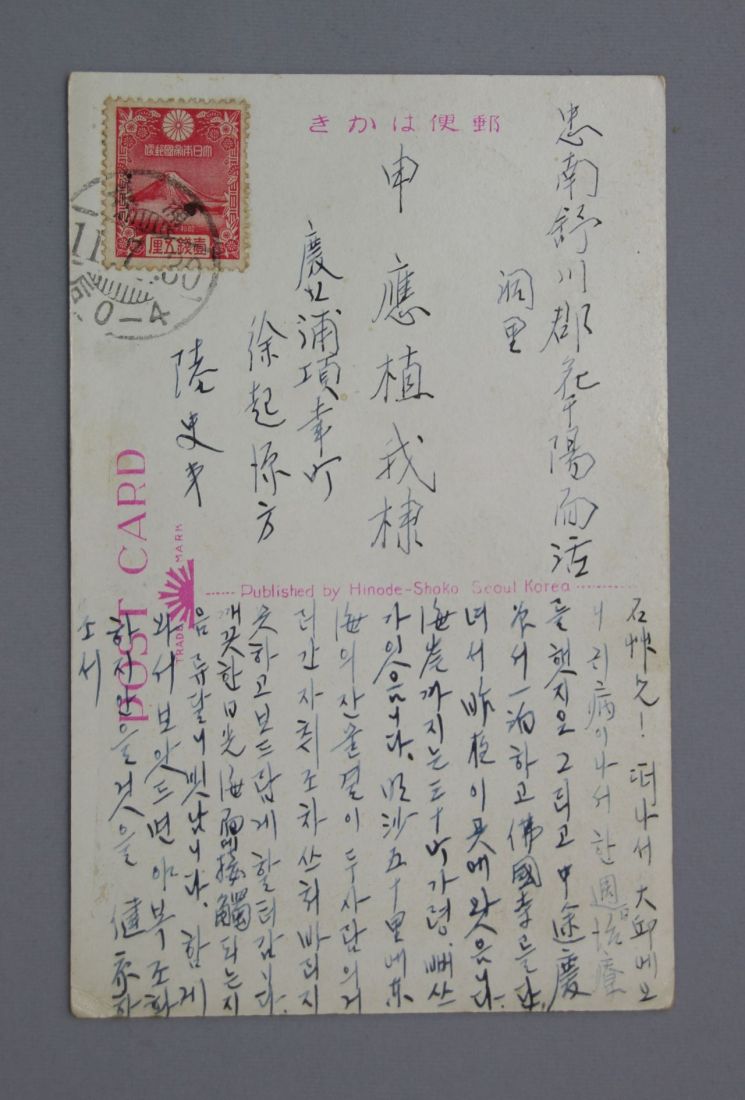
Handwritten letters and postcards sent by Yi Yuk-sa in the 1930s to relatives and friends, reflecting his recent circumstances, are being preserved as cultural heritage. The Cultural Heritage Administration announced on the 11th that the "Yi Yuk-sa Handwritten Letters and Postcards" will be preliminarily registered as cultural heritage. Opinions from various sectors will be collected for a month, and after review by the Cultural Heritage Committee, the registration will be finalized.
The letters written in classical Chinese contain not only everyday greetings but also worries about financial hardship and wishes for health. They provide insight into his living conditions during his time working at the Daegu branch of Jungoe Ilbo. The two postcards express his friendship with poet Shin Seok-cho, his regret at not being able to visit his hometown often, and his longing for familial affection. These handwritten materials reveal Yi Yuk-sa’s human side and hold precious value.
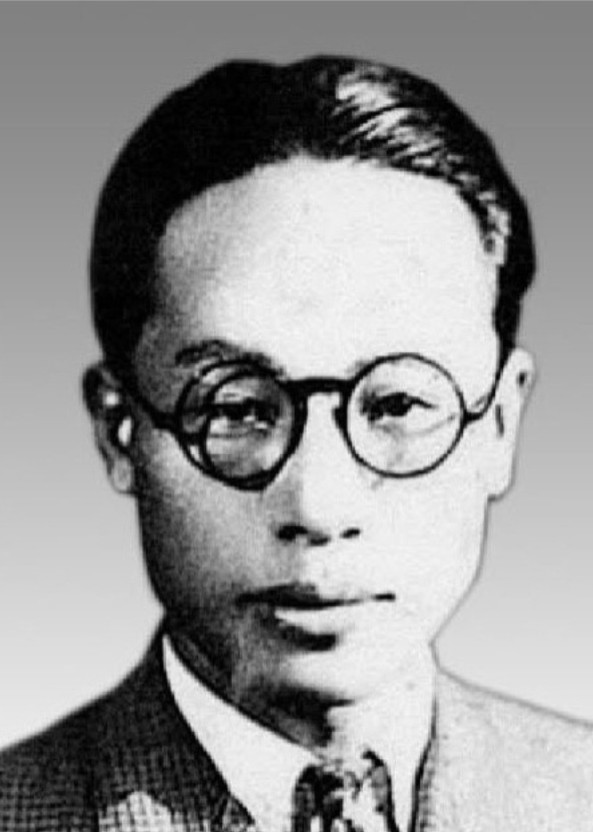
At that time, Yi Yuk-sa’s health was deteriorating, and he agonized over his path forward. He struggled with whether to continue carrying out secret missions for the Uiyeoldan or to withdraw from the struggle for independence. He decided to embark on a new path of anti-Japanese resistance by awakening national consciousness and encouraging the spirit of resistance through poetry and writing. He continued extensive literary activities including essays, critiques, and translations, leaving behind masterpieces such as "Jeoljeong" (Climax), "Namhan Mountain Fortress," "Cheongpodo" (Green Grapes), "Pacho" (Banana Plant), and "Dokbaek" (Monologue).
Meanwhile, the Cultural Heritage Administration also announced the preliminary registration of the "Old Headquarters Main Building of the Cheondogyo Central Headquarters in Seoul" as cultural heritage. Built in 1921 alongside the Cheondogyo Central Great Church, this building was a hub of independence movement and social enlightenment activities during the Japanese colonial period. Although it faced demolition in 1969 due to urban development projects, it was relocated next to the Cheondogyo Bonghwanggak in Samyang-ro, Gangbuk-gu, Seoul, thanks to efforts to preserve the history of the national movement. A Cultural Heritage Administration official stated, "Its historical value is fully recognized as it confirms the limitations of contemporary architectural techniques and the history of national religious activities."
© The Asia Business Daily(www.asiae.co.kr). All rights reserved.


















