Seoul Increases Meal Allowance for Food-Insecure Children to 8,000 Won
Criticism for Not Reflecting Rising Dining Prices
Addressing Support Disparities Among Districts
Experts: "Need to Focus Beyond Food Access to the Eating Process"
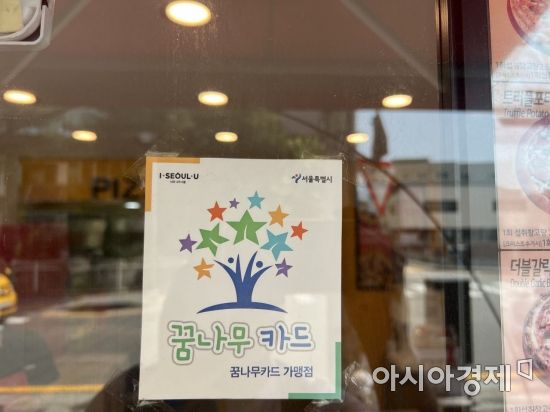 Seoul City raised the meal allowance for children at risk of food insecurity from 7,000 won to 8,000 won in response to criticism that the increase in dining-out prices was not being reflected.
[Asia Economy Intern Reporter Kim Gun-chan] The Seoul Metropolitan Government is raising the meal allowance for children facing food insecurity from 7,000 won to 8,000 won. This measure comes in response to criticisms that the allowance did not reflect the rise in dining-out prices.
On the 7th, Seoul City stated, "Although the existing allowance is not lower than the Ministry of Health and Welfare's recommended amount of 7,000 won, there were concerns that it was relatively low for providing quality meals considering the increase in dining-out prices. We have decided to raise the allowance to address the nutritional imbalance issues among low-income children."
This increase in the meal allowance was made through the supplementary budget. The 2nd supplementary budget for Seoul City, passed on the 5th, included 1.27 billion won for the meal allowance increase. The fixed budget for meal support for children facing food insecurity in Seoul this year is 27.2 billion won. The support program is jointly funded by Seoul City, autonomous districts, and the Seoul Metropolitan Office of Education.
Kim Seon-soon, Director of the Seoul Metropolitan Government's Women and Family Policy Office, said, "With this increase in the meal allowance, we hope children facing food insecurity can grow healthily through more nutritious meals. We will continue to make multifaceted efforts to ensure there is no shortage in supporting these children."
In particular, this increase is expected to benefit children using Seoul City's child meal card, the 'Kkum Namu Card.' There had been criticism that the support amount for the Kkum Namu Card did not reflect the rise in dining-out prices. As prices soared, the 7,000 won allowance was insufficient for children to purchase a nutritious meal at restaurants.
According to Statistics Korea on the 10th, the dining-out price index in July rose by 8.4% compared to the same month last year, marking the largest increase since October 1992 (8.8%). Prices for all 39 dining-out items tracked by Statistics Korea increased. Menu prices at snack bars, such as kimbap and ramen, which children facing food insecurity often visit, recorded double-digit growth rates.
As a result, voices from the field emerged, saying things like, "A single roll of kimbap costs 4,000 won, so 7,000 won is not enough to buy both ramen and kimbap." Experts and child protection agencies have also suggested raising the Kkum Namu Card meal support allowance in line with price increases. (Related article: "Will 7,000 won eliminate hunger?" The tight limit of the 'Kkum Namu Card' [Filling the bellies of children facing food insecurity①])
With this increase, the support amount has been equalized across 23 districts except Seocho and Jongno districts. Previously, Seocho and Jongno districts provided 9,000 won, Gangnam and Yongsan districts 8,000 won, while the other 21 districts barely met the Ministry of Health and Welfare's recommended 7,000 won.
Experts positively evaluate the increase in the meal allowance and suggest expanding welfare for children facing food insecurity. Professor Jeong Jae-hoon of the Department of Social Welfare at Seoul Women's University emphasized, "Beyond just solving the issue of children’s food intake with the current meal service, attention must now be paid to the process of eating. Moving forward, it is important to skillfully connect the pearls of meal allowance increases."
He added, "Utilizing local social welfare facilities as dining spaces to provide balanced meals and foster interaction during the process is essential. Children should have positive experiences that build trust in our society and the environment they live in."
© The Asia Business Daily(www.asiae.co.kr). All rights reserved.

















