[Seoul District News] Gwangjin-gu Expands Additional Childbirth Support Fund (1.5 Million KRW) and Childcare Support Fund (100,000 KRW Monthly) from Severe Disability Families to All Disabled Families Starting July... Gwanak-gu Provides Free High-Efficiency LED Light Replacement to 150 Basic Livelihood Recipients and Near-Poverty Households... Gangnam-gu Holds Inauguration Ceremony for 1st Child Policy Participation Group... Nowon-gu Actively Supports Middle-Aged at Risk of Solitary Death (Issues Twice-Monthly Food Exchange Coupons Worth 10,000 KRW for Low-Income Single Middle-Aged Households & AI-Based Support)
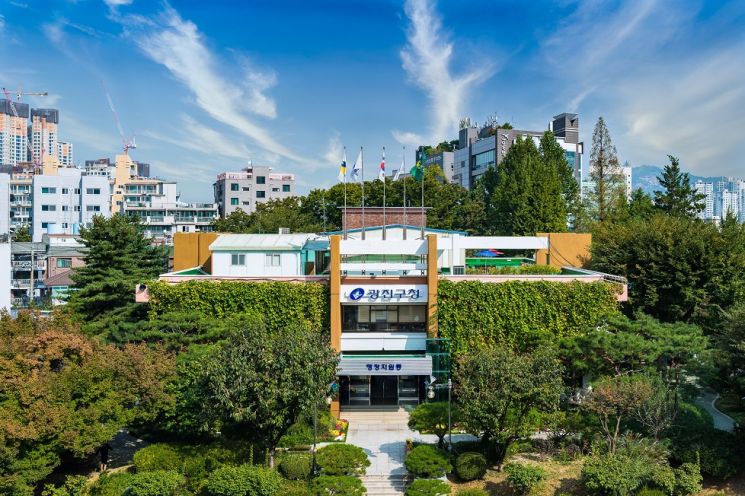
[Asia Economy Reporter Park Jong-il] Gwangjin-gu (Mayor Kim Kyung-ho) has expanded the scope of recipients and started providing childbirth support funds and childcare support funds to all registered disabled households from July.
Until now, the district provided a childbirth support fund of 1 million KRW to registered disabled persons in the area, with an additional 500,000 KRW support for households with severe disabilities.
Also, childcare support funds were provided only to households with disabled women and severely disabled men, paying 100,000 KRW monthly until the month before the child turns seven.
From July this year, Gwangjin-gu removed the payment criteria based on the degree of disability and decided to provide childbirth support funds of 1.5 million KRW and childcare support funds of 100,000 KRW per child monthly to all registered disabled households.
The target for the disabled childbirth support fund is households where either the father or mother of the newborn has been continuously registered and residing in Gwangjin-gu for at least one year prior to the newborn's birth date until the application date.
The childbirth support fund for disabled households is provided in addition to the 'First Meeting Voucher' which supports 2 million KRW vouchers to newborn families in the area.
Applications can be made by visiting the local community service center with necessary documents such as the birth certificate within one year after childbirth, and the 1.5 million KRW is paid once.
The disabled childcare support fund is paid monthly at 100,000 KRW until the month before the child turns seven. The support target is disabled households where either the father or mother has been registered and residing in the area for more than one year as of the application date, and applications can be made at the local community service center.
Kim Kyung-ho, Mayor of Gwangjin-gu, said, "We hope this expansion of support for disabled households will provide practical help to disabled people who find economic activities difficult due to childbirth and childcare," and added, "We will continue to promote various projects to create a childbirth and childcare-friendly culture and an environment where disabled people can live happily."
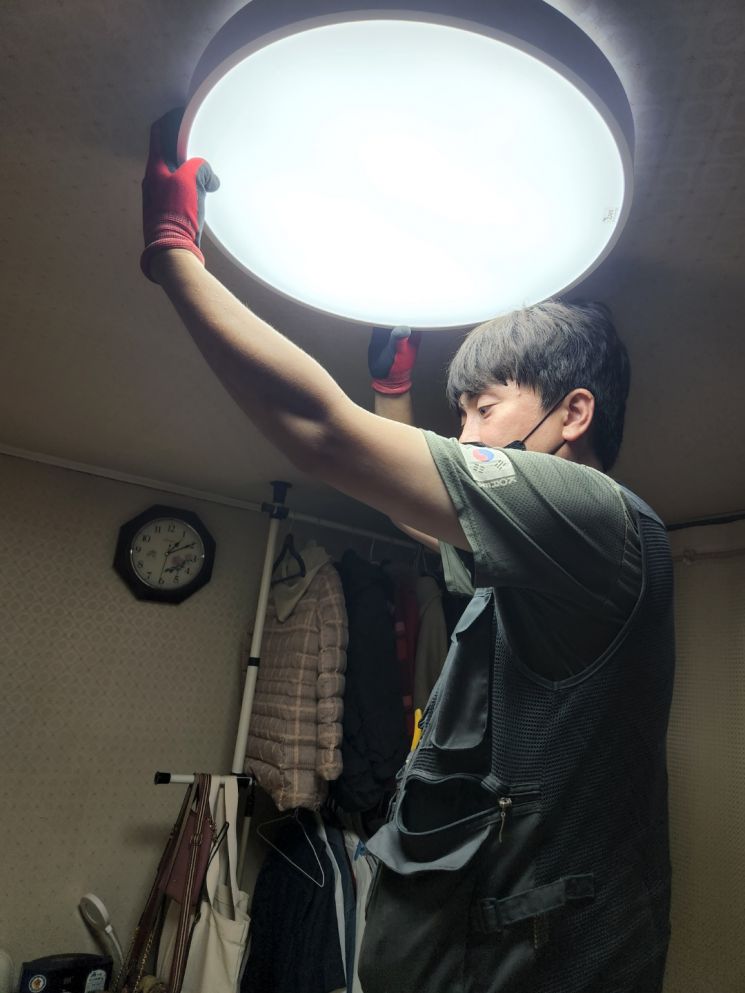
Gwanak-gu (Mayor Park Jun-hee) will carry out an LED lighting replacement project by October to reduce electricity bills and greenhouse gas emissions for low-income households.
They plan to replace 350 lights in 150 households of basic livelihood security recipients and near-poverty groups with high-efficiency LED lights.
Professional electrical contractors will visit the target households to install the lights directly, and the replacement cost is free.
Replacing fluorescent lights with high-efficiency LED lights can reduce annual power consumption by about 30%, lowering the electricity bill burden for low-income families and contributing to greenhouse gas reduction in the long term.
Additionally, the LED lights being replaced have obtained the 'High-Efficiency Energy Equipment Certification' and are grade 1 in energy consumption efficiency, so the effect is expected to be greater.
The district plans to continue this project until 2023, and low-income households wishing to replace lighting can apply at their local community service center. For more details, contact the Gwanak-gu Office Green Environment Division.
Mayor Park Jun-hee said, "We will continue to do our best to reduce the economic burden on low-income households by promoting various energy welfare projects for energy-vulnerable groups."
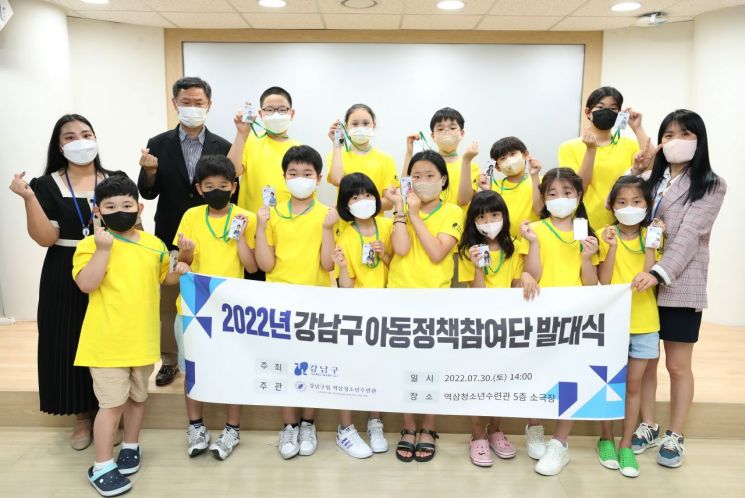
Gangnam-gu (Mayor Cho Sung-myung) held the inauguration ceremony of the ‘1st Gangnam-gu Child Policy Participation Group’ on July 30 at the Yeoksam Youth Center small theater to create a child-friendly city where children's participation rights are respected.
The ceremony started with an encouragement speech from Mayor Cho Sung-myung via video, followed by an introduction of the Child Policy Participation Group, awarding of appointment letters, and the group's oath.
On that day, 23 child participation committee members aged 8 to 13, selected through an open recruitment in June, received appointment letters. The members will perform tasks until December, including participating in education on children's rights and policy proposals, monitoring cases of children's rights violations, and discovering issues through local explorations to propose necessary child policies for Gangnam-gu.
Gangnam-gu currently operates the 3rd Child and Youth Participation Committee composed of middle and high school students, and has newly formed the Child Policy Participation Group consisting of elementary school students, enabling more detailed reflection of children's and youth voices in district administration.
Furthermore, Gangnam-gu is focusing on creating a child-friendly city with the goal of UNICEF Korea Committee's ‘Child-Friendly City Certification’ in 2022 by promoting 41 strategic projects for child-friendly city creation, operating a Child-Friendly City Promotion Committee composed of children and guardians, establishing a child-friendly city website, and conducting children's rights education, working with residents to make the city a better place for children.
Mayor Cho Sung-myung said, "We will do our best to build a child-friendly city in Gangnam-gu where children can confidently voice their opinions and be respected."
Nowon-gu (Mayor Oh Seung-rok) is implementing various community-based support projects for middle-aged single-person households.
Middle-aged single-person households are socially vulnerable to isolation and have a high risk of solitary death. An analysis of 19 solitary death cases in Nowon-gu from 2018 to 2020 showed that the middle-aged group (50s to 60s) accounted for 12 cases, the highest proportion. With the continuous increase of single-person households and the prolonged COVID-19 pandemic causing care gaps in the community, concerns about solitary death are growing.
In response, the district has taken action to establish a continuous and systematic social safety net.
First, the district focused on identifying target individuals. From September to December last year, welfare planners and the Nowon Ddok Ddok Ddok Care Team conducted on-site surveys by visiting 3,392 single-person households aged middle-aged and above.
As a result, 1,419 people requiring support were selected and managed, and in the fourth quarter of last year, 394 service connections were made, including 94 public benefits, 106 private services, and 50 care services.
Take side dishes from the neighborhood ‘Sharing Stores’~ ‘Reliable Companion, Walking Together Project’ launched
In April, the district started a new project called ‘Reliable Companion, Walking Together’ to prevent solitary deaths among socially isolated households. Sixty participants from 10 neighborhoods were selected, prioritizing low-income middle-aged single-person households with high risk of solitary death and reclusive tendencies.
Participants receive coupons worth 10,000 KRW to visit 14 ‘Sharing Stores’ to purchase side dishes they want. This provides meal support and encourages outings, with continuous visits by activists expected to alleviate loneliness and depression.
Seventy selected activists from the Nowon Ddok Ddok Ddok Care Team visit target households twice a month in pairs, delivering coupons and checking on their well-being. They immediately report any crisis situations to the local community service center. Participating stores also monitor visitors’ clothing, hygiene, and visit frequency, fostering a sense of belonging as community members and contributing to local economic revitalization. Of the 240 coupons distributed in May, 222 were used within a month.
In May, the Nowon Ddok Ddok Ddok Care Team visited a target in Wolgye 2-dong to deliver coupons but found the person absent. They connected with the local welfare planner and discovered the individual had fallen in front of their home and was hospitalized. The person expressed financial difficulties for treatment, leading to an emergency medical expense application and prompt support, allowing focus on treatment and recovery.
AI-based Single-Person Household Life Management Service
The district announced a pilot project using artificial intelligence (AI) conversational services targeting middle-aged single-person households, who are less resistant to AI than the elderly.
This service enables AI to learn and engage in customized conversations beyond simple chatbot replies. Fifty middle-aged and older single-person households in the area will receive services including ‘Clova Care,’ operator surveys, and operator management.
‘Clova Care’ is an AI call sent every Tuesday and Thursday at 11 a.m. from June 9 to August 30, checking meals and engaging in small daily conversations to alleviate depression and loneliness, while encouraging healthy lifestyle management such as diet, outings, exercise, and program participation.
‘Operator Survey’ involves operators contacting participants by phone four times: before service start in June, during July, after service completion, and at the end of the entire service. ‘Operator Management’ involves irregular contact during June to August if participants repeatedly do not answer Clova Care calls or give negative health responses, or if emergencies arise.
The district plans to collect and analyze conversation data from this project to develop a customized life management model for single-person households and continuously improve the service.
Neighborhood Efforts to Prevent Solitary Death Continue: ‘Sangye 1-dong, Our Neighborhood Chef’
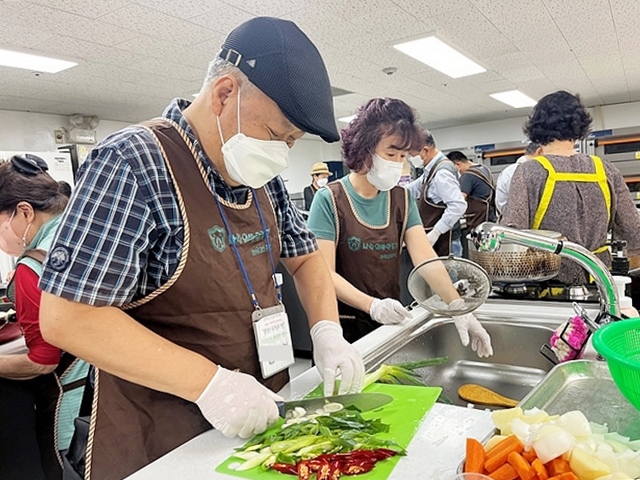
Local neighbors are also actively working to prevent solitary deaths among middle-aged people. The Sangye 1-dong Residents Welfare Council (Chairman Kwak Jong-sang) is hosting the event ‘Transformation of Middle-aged Single Men, Our Neighborhood Chef is Here.’
This event, aimed at promoting dietary independence and emotional support for middle-aged single men, involves gathering once a month to cook and share meals with neighbors, running until October.
Ten participants were selected through recommendations from local welfare planners, psychological counselors, and the Nowon Ddok Ddok Ddok Care Team, including those who lost family due to unexpected accidents and those who attempted extreme acts after becoming credit delinquents due to betrayal by acquaintances. Participants reluctant to go out were persuaded to join.
At the event, ‘Spicy Braised Chicken’ and ‘Stir-fried Anchovies’ were prepared and shared with elderly households suffering from depression. Sangye 1-dong won an excellence award in the Seoul City Visiting Community Service Center project policy review at the end of last year.
Mayor Oh Seung-rok said, “We will closely monitor so that no resident is neglected, centering on the Nowon Ddok Ddok Ddok Care Team,” and added, “We will continue to discover welfare blind spots and spread a culture of sharing to build a community-based social safety net and protect residents.”
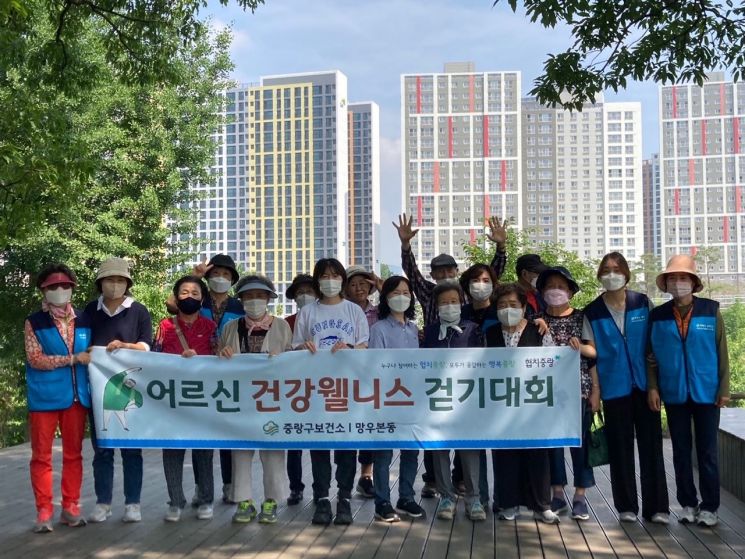
Jungnang-gu (Mayor Ryu Kyung-gi) is recruiting community health leaders to reduce health disparities among local seniors.
Community health leaders are senior leaders aged 50 and above who have completed communication training and capacity-building education in nutrition, exercise, and safety, playing a role in helping seniors practice healthy living nearby.
This is part of a project to reduce health disparities in small areas by identifying health conditions of economically vulnerable seniors, developing health service models, and creating a health ecosystem.
Health leaders visit assigned seniors to provide companionship and engage in physical and emotional activities while monitoring their health. They also call to check on seniors and organize clubs where two or three seniors exercise together.
The district expects that health leader activities will build a health network where residents care for each other, reducing health disparities in small areas.
Any resident aged 50 or older interested in senior health wellness can apply to become a health leader. Twenty people will be recruited, and applications are accepted from August 1 to August 4 by phone at the Jungnang-gu Public Health Center Medical Department.
Selected health leaders will complete five sessions of intensive capacity-building training in August and be matched one-on-one with seniors to begin full activities.
Mayor Ryu Kyung-gi said, “We look forward to the activities of health leaders who will serve as role models and communicate with seniors who are relatively vulnerable health-wise,” and added, “We will continue efforts to prepare various health promotion projects so that no resident is left behind and everyone can live healthily.”
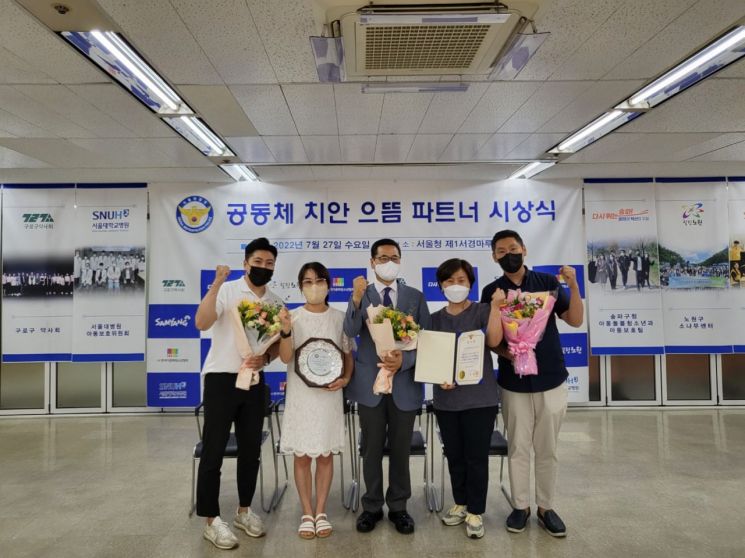
Songpa-gu (Mayor Seo Kang-seok) announced on the 1st that it was selected as the top partner in the public sector at the ‘Community Policing Top Partner Award’ ceremony hosted by the Seoul Metropolitan Police Agency on the 27th of last month.
The ‘Community Policing Top Partner’ award is given to organizations, institutions, and companies that actively work to protect socially vulnerable groups. It has been held twice a year since 2017, and this year, six institutions including Songpa-gu and Seoul National University Hospital Child Protection Committee were selected.
The district was recognized for its achievements in managing child abuse and domestic violence cases and conducting publicity campaigns.
In particular, in May last year, to respond swiftly to increasing child abuse cases, Songpa Police Station established a cooperative system with local medical institutions. Based on this, they promoted projects such as the ‘Vulnerable Children Dream Primary Doctor Project’ and the designation of ‘Child Abuse Dedicated Medical Institutions,’ jointly responded to suspected child abuse cases, and conducted child abuse prevention campaigns, leading efforts to protect children's rights.
Seo Kang-seok, Mayor of Songpa-gu, said, “The priority of administration is the safety of all residents and protection of socially vulnerable groups,” and added, “We will continue to collaborate with Songpa Police Station to protect children's rights and prevent child abuse, making Songpa a safe and livable place without omission.”
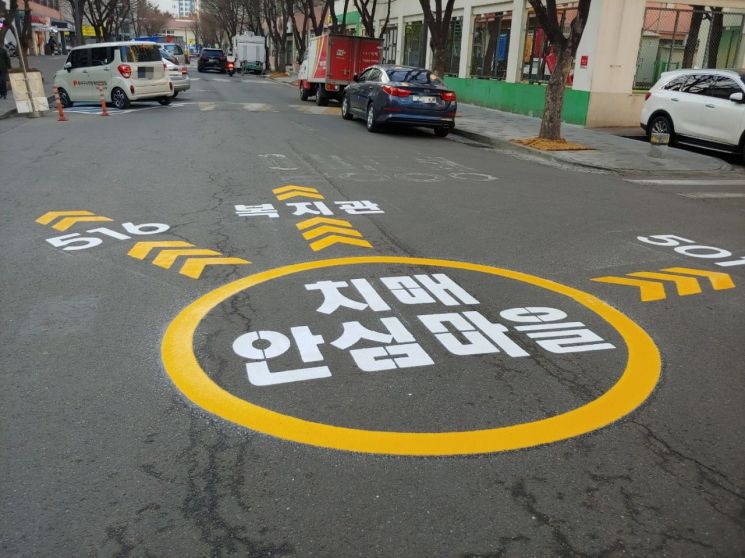
Gangseo-gu, Seoul (Mayor Kim Tae-woo) is becoming a dementia-safe city.
The Gangseo-gu Dementia Safety Center (Director Jung Ji-hyang) announced that it was finally selected for the Ministry of Health and Welfare’s ‘Dementia Safe Village Best Practice Expansion Contest.’
This contest was held to expand dementia safe villages, with 39 dementia safety centers nationwide participating. After the first document screening and second face-to-face evaluation, 28 centers were finally selected.
Gangseo-gu Dementia Safety Center was selected for the contest with the case of ‘Cognitive Health Design Dementia Safe Village Creation’ and secured 30 million KRW in national funding.
Based on this, the center plans to develop Deungchon 3-dong as a ‘Cognitive Health Design Dementia Safe Village.’
Deungchon 3-dong was designated as Gangseo-gu’s third dementia safe village in June. It has the highest proportion of residents aged 65 and over at 21.9% of the total population, and also the largest number of seniors registered with dementia or mild cognitive impairment at the dementia safety center.
Therefore, the center selected Deungchon 3-dong as the target area for ‘Cognitive Health Design Dementia Safe Village,’ applying cognitive health design to residences and various facilities.
Cognitive health design is a design concept devised to improve areas with high proportions of dementia households and elderly residents into ‘safe, easily readable, and sensory-stimulating environments’ to help with various problems related to dementia and cognitive impairments.
Examples include safe walking and exercise space guidance designs to assist seniors’ outdoor activities and easily visible floor guide signs.
Through this, the center aims to provide physical, emotional, and social stimulation to seniors to improve their daily living abilities and create an Aging in Community (AIC) environment where seniors maintain residual abilities and live with residents in their communities.
Additionally, the center designates five welfare centers in Deungchon 3-dong as dementia overcoming leading organizations, establishing cooperative systems for dementia patient management, missing prevention services, and resource linkage for dementia seniors and their families.
The center also plans to build a more robust dementia-friendly social network by forming networks with various local organizations such as the Gangseo My Home Center, stores, and educational institutions.
A district official said, “We will create a dementia-friendly local community by integrating cognitive health design into the infrastructure including human and material resources of dementia safe villages,” and added, “We will do our best to implement various projects that dementia seniors, their families, and local residents can feel, making Gangseo a worry-free city for dementia.”
© The Asia Business Daily(www.asiae.co.kr). All rights reserved.



















