The Impact of "Oxygen Levels" on Humans and the Earth
[Asia Economy Reporter Jin-kyung Lee] "Inhale. 1 second... 2 seconds... 3 seconds." How long can we actually hold our breath? Oxygen, the element that is second most abundant on Earth after iron and the third most abundant in the universe after hydrogen and helium, is essential for us to breathe and live. What would happen if this precious oxygen suddenly disappeared for a few seconds or explosively increased on Earth? Let's explore the changes in our health and the Earth's environment according to fluctuations in oxygen levels.

● What is Oxygen?
Is the air we know actually oxygen? Air consists of gases necessary for us to breathe, and oxygen is one of the components of air. Oxygen makes up about 21% of the air, second only to nitrogen gas (78%). Oxygen is colorless, tasteless, and odorless, and constitutes 49.2% of the Earth's crust and 88.9% of the oceans. It is also the third most abundant element in the universe after hydrogen and helium. Oxygen is a chalcogen element with the chemical symbol O, and at room temperature, two oxygen atoms form a double bond to exist as a diatomic molecule (O2). Oxygen gas itself does not burn but supports the combustion of other substances (supporter of combustion). It is highly reactive and forms oxides by reacting with almost all elements except halogens. Liquid oxygen has a slight blue tint and is used in metal oxygen welding and oxygen breathing.
● Uses of Oxygen
Oxygen is especially essential for sustaining animal life, making it an indispensable element in daily life. Oxygen inhaled through respiration burns nutrients to produce energy and dissolves in the blood to be supplied throughout the body. Besides this, oxygen is used in large quantities in various fields such as raw gas production in synthetic chemical industries, metal welding and cutting, liquid oxygen explosives, inhalation, and rocket propellants. Liquid oxygen is mainly used for transportation, and medical oxygen inhalation uses about 30% (by volume).

● Invisible Oxygen, Who Discovered It First?
In 1774, chemist Joseph Priestley obtained oxygen by focusing sunlight with a convex lens onto red mercuric oxide. Later, French scientist Antoine Lavoisier continued Priestley's research and recognized this unique gas as a new element. In 1778, Lavoisier discovered that most combustion products in this new gas had acidic properties and named it oxygen by combining the Greek words oxys, meaning 'sharp' or 'acid,' and gennao, meaning 'to produce.'
● Two Oxygen Explosions
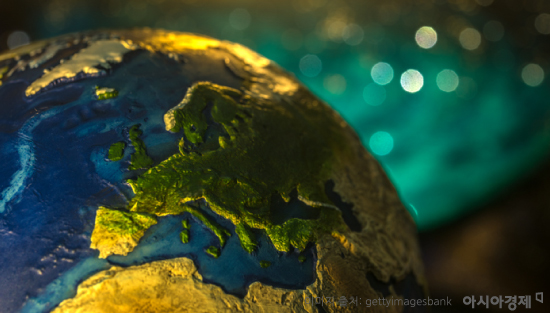
About 20% of the Earth's atmosphere is filled with oxygen, and most animals living on Earth breathe and survive through oxygen. But was oxygen always abundant? No. Geological evidence suggests that oxygen became as abundant as it is today through two periods. In fact, until about 3 billion years ago, there was almost no oxygen in the Earth's atmosphere. Then, about 2.4 billion years ago, the oxygen concentration in the atmosphere suddenly increased explosively, known as the 'Great Oxygenation Event.' After a long period of relatively stable oxygen levels, about 500 million years ago, oxygen levels rose sharply again in what is called the 'Neoproterozoic Oxygenation Event.' These two oxygen explosions led to an increase in oxygen on Earth, which caused a rapid increase in diverse life forms.
● Effects of Oxygen Levels in the Air on Humans
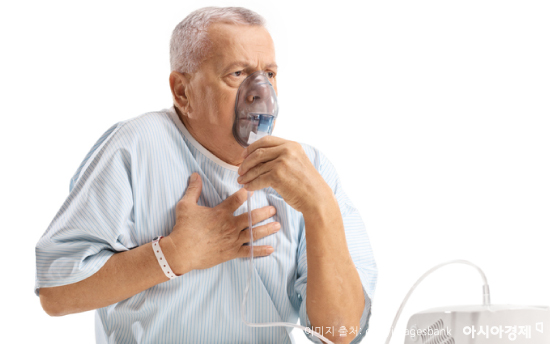
If oxygen in the air is insufficient, people exhibit 'oxygen deficiency symptoms' such as abnormal behavior or fainting, and prolonged deficiency can be life-threatening. So, is more oxygen in the air better for health? Not necessarily. Excess oxygen can also cause problems. Although it varies by individual, oxygen concentrations above 60% in the air can cause oxygen poisoning symptoms and serious health issues.

● What is Oxygen Poisoning?
Oxygen poisoning is divided into acute and chronic types. Inhaling high concentrations of oxygen (above 60%) at high pressure around 3 atmospheres can cause acute poisoning, leading to nervous system abnormalities such as excitement, convulsions, seizures, and audiovisual impairments, and in severe cases, death. Prolonged inhalation of high-concentration oxygen can cause chronic poisoning, resulting in respiratory system issues like pulmonary edema, dyspnea, and sub-sternal pain, which can gradually worsen and be fatal. If all other gases in the air disappear and only oxygen remains, aging accelerates, and the brain no longer senses the need to breathe, causing spontaneous cessation of breathing and death.
● What Happens if Oxygen Increases on Earth?
▷ Organisms Grow Larger
Research shows that oxygen levels greatly contribute to determining the size of organisms on Earth. In fact, during eras when large organisms lived on Earth, oxygen levels were higher than they are today. Before microorganisms developed efficient methods to decompose wood, atmospheric carbon dioxide was also low, creating conditions favorable for organisms to grow larger. Therefore, if oxygen levels increase, larger insects and gigantic organisms could appear compared to current sizes.

▷ Oxygen Poisoning Symptoms Appear
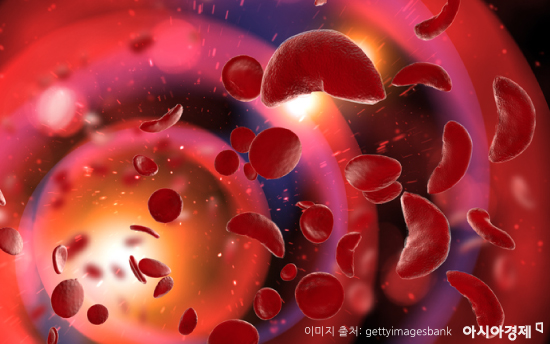
Excess oxygen can also cause problems. When the pressure and concentration of oxygen in the air increase, oxygen dissolves directly into the plasma. Cells using oxygen dissolved in plasma keep hemoglobin in red blood cells saturated with oxygen, preventing the removal of carbon dioxide, a byproduct of life activities. The accumulated carbon dioxide dissolves in plasma, rapidly acidifying the blood and affecting various organs, leading to a state called 'oxygen poisoning.'
▷ Less Fatigue
Even when exercising or working more than before, one may feel less tired and find it easier to sustain activities for longer periods. Additionally, the body may grow larger and stronger, and fuel efficiency for transportation means may improve.

▷ Faster Aging
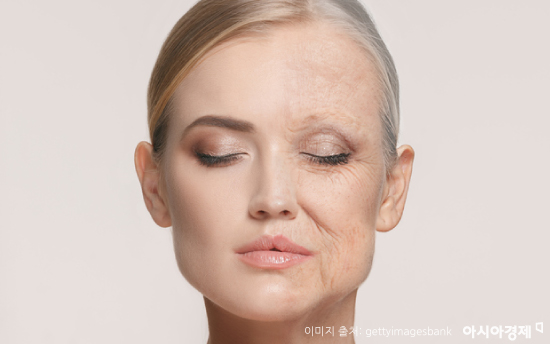
Reactive oxygen species, leftover oxygen, cause aging. These reactive oxygen species induce oxidation, which shortens the lifespan of objects and damages cells and genes. Ultimately, increased oxygen leads to more reactive oxygen species and greater oxidation effects, accelerating the aging process compared to before.
● What Happens if Oxygen Decreases on Earth?
▷ Skin Burns
Oxygen in the atmosphere protects the skin from ultraviolet rays. If ozone formed by oxygen disappears, the skin can be exposed to ultraviolet rays exceeding 300 times the permissible amount in just a few seconds, causing immediate sunburn from sunlight.

▷ The Sky Darkens
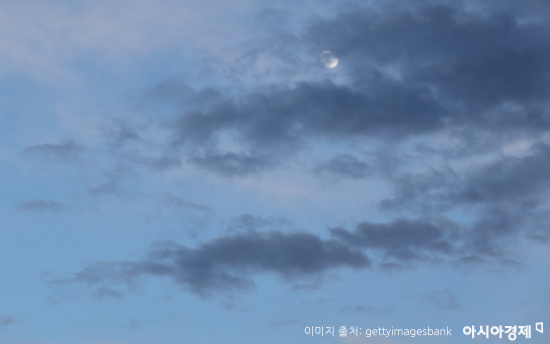
Sunlight scatters when it collides with small particles such as nitrogen, oxygen, and dust in the air, a phenomenon called light scattering. Oxygen effectively scatters short-wavelength visible light, making the sky appear blue. However, if oxygen levels suddenly decrease, light scattering becomes difficult, and the sky may appear darker than it does now.
▷ The Oceans Disappear
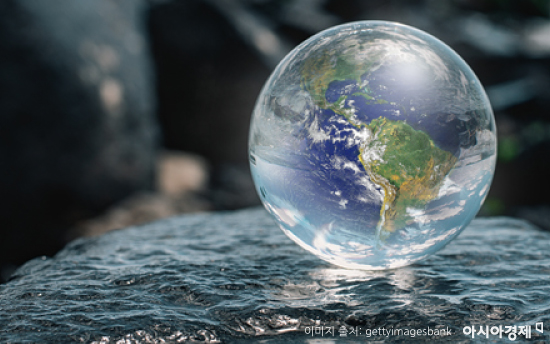
Water molecules consist of hydrogen and oxygen. Since oceans are made of these water molecules, if oxygen decreases, only massive hydrogen gas would remain in the oceans and evaporate immediately.

▷ The Earth Shrinks
About 45% of the Earth's crust is composed of oxygen. Therefore, if oxygen decreases, the crust's density would rapidly drop, causing it to collapse instantly. The collapsed crust would sink toward the Earth's innermost core, potentially reducing the Earth's size by up to one-third. As oxygen in the crust and mantle disappears, the Earth would become about 30% lighter, gravity would decrease to about two-thirds, the Earth's radius would shrink by 17%, and its rotation speed could increase.
▷ Life Cannot Survive
Life on Earth uses oxygen to decompose organic matter and produce energy. If oxygen significantly decreases, most life forms would die or have drastically shortened survival times. Humans can survive over a month without food and about three days without water, but without oxygen, survival lasts only a few minutes.
© The Asia Business Daily(www.asiae.co.kr). All rights reserved.
!["The Woman Who Threw Herself into the Water Clutching a Stolen Dior Bag"...A Grotesque Success Story That Shakes the Korean Psyche [Slate]](https://cwcontent.asiae.co.kr/asiaresize/183/2026021902243444107_1771435474.jpg)


















