'Jahaejin Clinic Diary' · 'Gaejeong Central Hospital Diary' · 'Nongchon Hygiene Research Institute Diary'
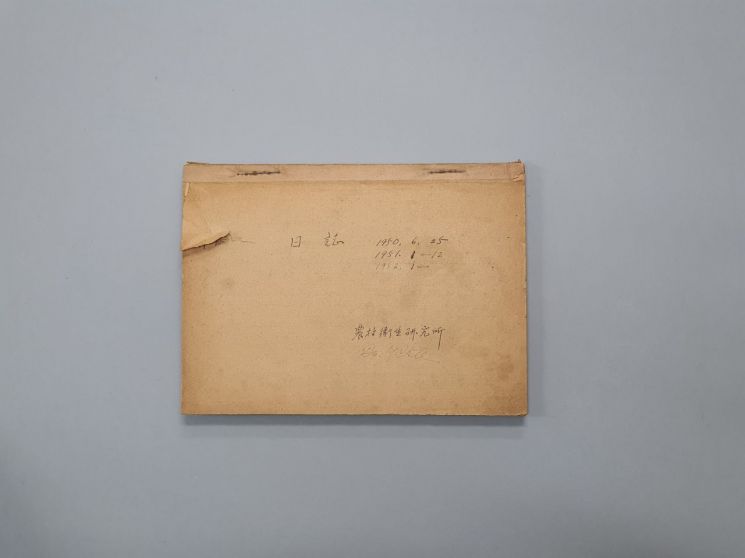
The medical records of the late Dr. Lee Young-chun (1903?1980), a pioneer in rural health and hygiene, are to be registered as cultural heritage. On the 14th, the Cultural Heritage Administration announced its plan to register three documents recorded by Dr. Lee?'Jahye Clinic Diary,' 'Gaejeong Central Hospital Diary,' and 'Rural Hygiene Research Institute Diary'?as national registered cultural heritage. Opinions from various sectors will be collected for one month, and the registration will be finalized after review by the Cultural Heritage Committee.
Dr. Lee was the first Korean to earn a doctoral degree in medicine. After liberation, he established Gaejeong Central Hospital in Gunsan, Jeonbuk Province, dedicating his life to treating farmers and educating residents. The Jahye Clinic Diary is a record Dr. Lee kept after being appointed director of the Jahye Clinic, a medical facility at the Kumamoto Farm in Gunsan run by Japanese owners in 1935, where he treated about 20,000 farm tenants (approximately 3,000 households). The Gaejeong Central Hospital Diary contains medical records from the Gaejeong Central Hospital, established in 1947 for inpatients and surgical patients who were difficult to treat at the clinic, providing insight into the health conditions and medical realities of rural residents at the time. The Rural Hygiene Research Institute Diary, written after Dr. Lee founded the Rural Hygiene Research Institute in 1948, offers materials that reveal various rural hygiene projects aimed at protecting farmers’ health from parasites, tuberculosis, infectious diseases, and more. These records have been recognized for their value as public health medical history.
© The Asia Business Daily(www.asiae.co.kr). All rights reserved.

















