After COVID-19, Sequelae Decreased from 41.8% Before Vaccination to 16.5% After the Third Dose
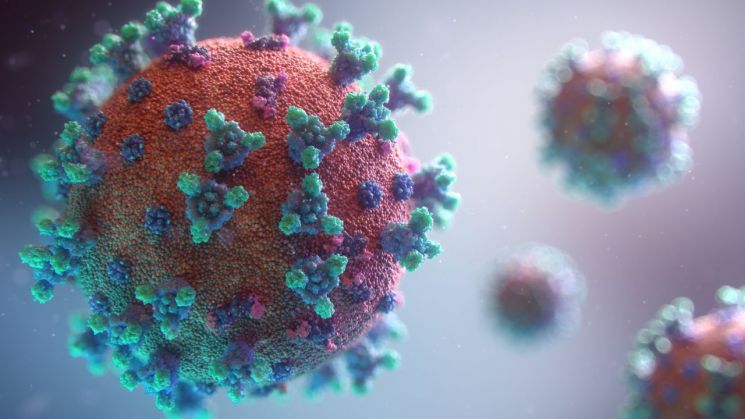 A study has found that receiving the 2nd and 3rd doses of the COVID-19 vaccine reduces the risk of experiencing Long Covid.
[Asia Economy Reporter Yoon Seul-gi] A study has found that receiving the 2nd and 3rd doses of the COVID-19 vaccine reduces the risk of experiencing long-term aftereffects known as Long Covid.
On the 8th, according to the Center for Infectious Disease Research and Policy (CIDRAP) at the University of Minnesota, a research team from Humanitas University in Italy conducted a retrospective study on 2,560 healthcare workers employed at nine medical institutions in Italy. The results showed that those who received 2 to 3 doses of the COVID-19 vaccine had a lower probability of developing aftereffects compared to unvaccinated individuals.
Participants completed surveys on demographic factors during and after infection, underlying conditions, and COVID-19 related symptoms from February to April 2022. The research team defined aftereffects as having at least one symptom persisting for a minimum of four weeks after infection.
Among the 2,560 participants, 739 (29%) tested positive for COVID-19. Of these, 89 showed no symptoms after infection, while 229 (31%) experienced aftereffects. All healthcare workers had received the Pfizer vaccine after its development and distribution, and underwent COVID-19 testing every two weeks or whenever related symptoms appeared.
The data showed that as the number of vaccine doses increased, the incidence of COVID-19 aftereffects decreased. Among healthcare workers infected before vaccine development, 41.8% experienced aftereffects; after the first dose, the rate dropped to 30%; after the second dose, it further decreased to 17.4%. After the third dose, 16% of those who tested positive for COVID-19 experienced aftereffects.
The occurrence of COVID-19 aftereffects varied by epidemic period. During the initial COVID-19 virus wave from February to September 2020, 48.1% of infected individuals experienced aftereffects. During the Alpha variant wave from October 2020 to July 2021, the incidence was 35.9%. From August 2021 to March 2022, when the Delta and Omicron variants were prevalent, the rate of aftereffects was 16.5%.
The research team analyzed that there was no significant correlation between the COVID-19 epidemic waves and the occurrence of aftereffects. However, factors such as older age, higher body mass index (BMI), allergies, and obstructive pulmonary disease were found to influence the development of COVID-19 aftereffects.
Maria Resigno, a professor of immunology at Humanitas University, stated, "In a study conducted on healthcare workers with COVID-19 infections that did not require hospitalization, receiving 2 to 3 vaccine doses was associated with a reduction in long-term COVID-19 aftereffects compared to unvaccinated individuals. However, this study has limitations as symptoms and duration were self-reported, making it difficult to infer causality."
Meanwhile, developed countries are facing ongoing COVID-19 vaccine wastage. Although these countries initially competed to secure COVID-19 vaccines, demand has decreased as the majority of their populations have completed vaccination.
According to the U.S. Centers for Disease Control and Prevention (CDC), since 2020, the first year of the COVID-19 pandemic, approximately 90.6 million doses of vaccines distributed nationwide have been discarded. This accounts for 11.9% of the total 762 million doses introduced in the U.S.
Last month, German health authorities discarded 3.9 million doses of COVID-19 vaccines at once, and on the 5th, the Canadian Ministry of Health announced it would discard 13.6 million doses of AstraZeneca (AZ) vaccines.
© The Asia Business Daily(www.asiae.co.kr). All rights reserved.
![User Who Sold Erroneously Deposited Bitcoins to Repay Debt and Fund Entertainment... What Did the Supreme Court Decide in 2021? [Legal Issue Check]](https://cwcontent.asiae.co.kr/asiaresize/183/2026020910431234020_1770601391.png)















