[Seoul District News] Seongdong-gu Creates Pregnant Women Care Zones on Floors Inside and Outside Elevators at Major Public Facilities and Subway Stations; Elevators Installed at Four Subway Stations Including Wangsimni Station on Line 2, District Office, Health Center, and Other Major Public Multi-use Facilities... [Personnel] Seongdong-gu... Gwanak-gu Recruits New Nutrition Plus Beneficiaries for 2022... Dongjak-gu Provides 700,000 KRW Transportation Support for Pregnant Women... Seodaemun-gu Supports Air Conditioners for 36 Elderly Households Vulnerable to Heatwaves... Jung-gu Operates 'Safe Home Counseling Center' for Single-person Households... Gwangjin-gu...
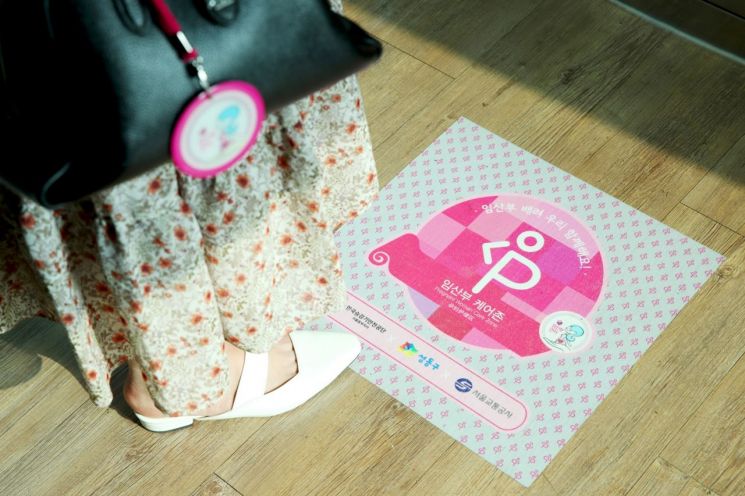
[Asia Economy Reporter Park Jong-il] Seongdong-gu (Mayor Jung Won-oh) has become the first in the nation to establish and officially operate this month the ‘Pregnant Women Care Zone’ in elevators and public facilities.
The ‘Pregnant Women Care Zone’ is a waiting area created by utilizing some spaces in public multi-use facilities to allow pregnant women to use them comfortably.
With the phrase ‘Let’s care for pregnant women together!’ and a pink emblem inserted, the space for pregnant women is marked inside elevators and on the floors of external waiting areas, allowing them to use these spaces separately.
The ‘Pregnant Women Care Zone’ has been established in four subway stations?Wangsimni Station, Sangwangsimni Station, Seongsu Station on Line 2, and Oksu Station on Line 3?as well as in elevators at the district office, health center, comprehensive childcare support center, and the I-Sarang Complex Cultural Center, which are major public multi-use facilities.
In particular, to avoid inconveniences such as collisions when using public transportation like the subway, a considerate space has been created in a corner of the waiting area, located adjacent to the entrance doors. Similar zones have also been set up at public institution platforms to prevent safety accidents and actively promote a social atmosphere that cares for these individuals.
The district signed an agreement with the Korea Elevator Safety Agency on May 25 and held a campaign on the 22nd of last month at Wangsimni Station Plaza with about 60 participants including university students, volunteers, Seongdong-gu residents, officials from the Korea Elevator Safety Agency, and Seoul Metro.
To practice and spread a culture of consideration for pregnant women, the ‘Pregnant Women Care Zone’ was promoted and related promotional materials were distributed. The results of a resident survey conducted together were actively reflected, and there are plans to expand the ‘Pregnant Women Care Zone’ to all subway stations, community service centers, and large marts in the area.
Jung Won-oh, Mayor of Seongdong-gu, said, “We established the ‘Pregnant Women Care Zone’ for those who need more delicate consideration, from early-stage pregnant women who do not show signs to women who have just given birth,” adding, “I hope a culture of care that warmly embraces others based on empathy will be created.”
◆Seongdong-gu Personnel
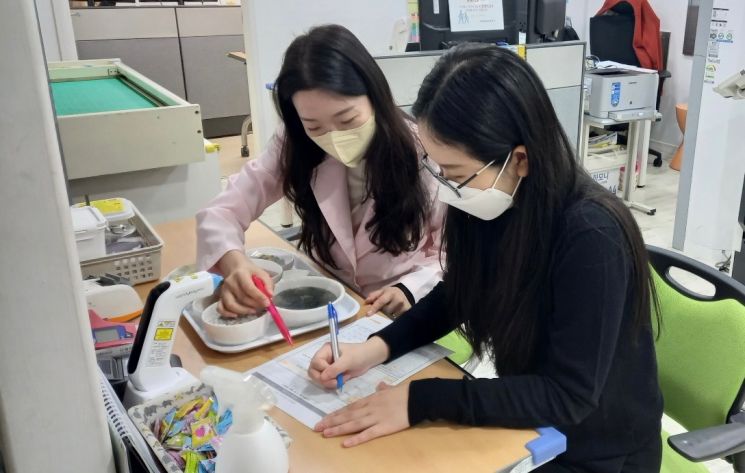
Gwanak-gu (Mayor Park Jun-hee) is recruiting new participants for the ‘2022 Nutrition Plus Project’ aimed at improving the healthy diet and nutrition of pregnant women and infants.
The Nutrition Plus Project is a year-round program that provides supplementary foods and nutrition education necessary for maintaining the health of pregnant women and infants who have nutritional risk factors (growth retardation, underweight, poor dietary intake, anemia), helping to improve their health and nutritional issues.
Applicants must be pregnant women or infants (under 66 months old) residing in Gwanak-gu with a household income at or below 80% of the median income. After receiving applications, income and nutrition assessments are conducted, and participants are selected through screening.
Selected participants receive nutrition counseling, nutrition education, and food packages once or twice a month for a minimum of six months up to a maximum of one year. Attendance at monthly nutrition education sessions is mandatory; failure to attend results in loss of eligibility.
Additionally, periodic assessments such as height and weight measurements, anemia diagnosis, and nutritional intake surveys are conducted to provide tailored nutrition management and counseling.
The district has provided health management services to an average of 231 pregnant women and infants per month (as of June 2022) through the Nutrition Plus Project, earning high satisfaction from participants due to professional management.
Mayor Park Jun-hee said, “Health management for pregnant women and infants by professional nutritionists leads to improved health levels throughout the entire life cycle from fetus to post-birth, contributing to fostering a childbirth-friendly environment,” adding, “We plan to further enhance the effectiveness and satisfaction of the Nutrition Plus Project through high-quality nutrition services.”
Those wishing to participate can apply starting August 1 through the district office website (Participation/Reservation → Participation Application → Administrative Reception) or contact the Gwanak-gu Health Center.
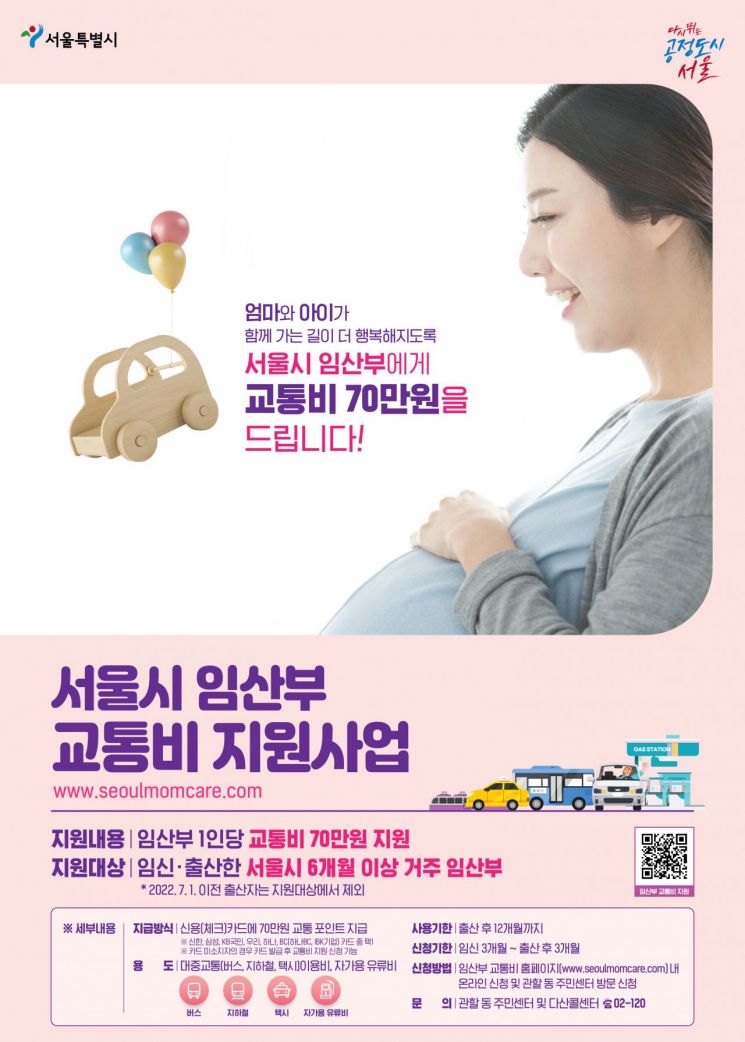
Dongjak-gu (Mayor Park Il-ha) announced on the 5th that it will provide 700,000 KRW in transportation expenses per pregnant woman as part of the ‘Seoul City Pregnant Women Transportation Support Project.’
This project was established to reduce the economic burden on families with childbirth by supporting the mobility convenience of pregnant women.
Eligible applicants are pregnant women who have resided in Seoul for more than six months as of the application date and who give birth after July 1. Applications can be made from three months after pregnancy until three months after childbirth.
The transportation expenses are provided as a voucher worth 700,000 KRW loaded onto a credit (or debit) card in the pregnant woman’s name. The points can be used for public transportation such as buses, subways, taxis, and also for paying fuel costs for private vehicles.
If transportation expenses are applied for during pregnancy, they must be used within 12 months from the expected delivery date; if applied for after childbirth, within 12 months from the child’s birth date.
Pregnant women wishing to apply can do so via the Seoul City Pregnant Women Transportation website. However, pregnant residents must pre-apply for the Seoul City Pregnant Women Transportation Support through the Government24 Mom Comfortable Pregnancy One-Stop Service.
Also, if online application is not possible or proxy application is needed after childbirth, applications can be made at the community service center of the resident’s registered address. For more details, contact the Dasan Call Center or the respective community service center.
Kim In-sook, Director of the Child and Youth Division, said, “We hope to enhance the mobility convenience of pregnant women, who are transportation-vulnerable, and that the journey of mothers and children together becomes happier.”
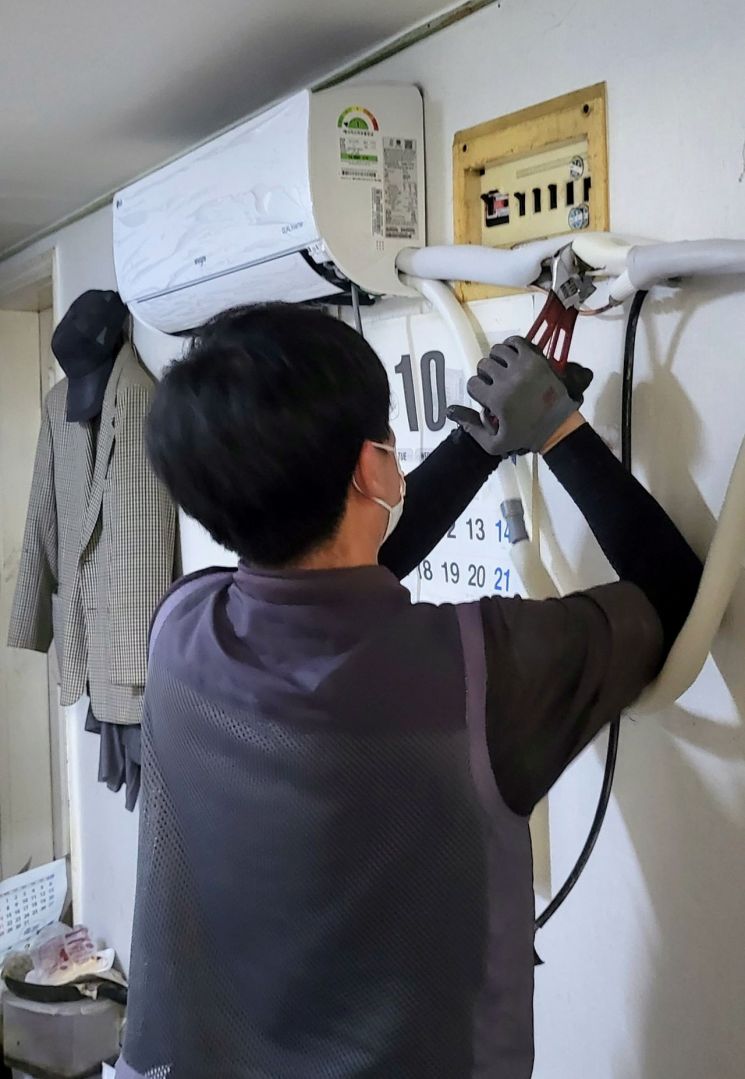
Seodaemun-gu (Mayor Lee Seong-heon) has provided air conditioners to low-income elderly residents vulnerable to heatwaves to help them safely get through the summer.
The district recently installed wall-mounted air conditioners in 36 elderly households living in semi-basements and rooftop rooms within the area.
An elderly resident living in Yeonhui-dong expressed gratitude, saying, “Every year during the rainy season, I struggled with humidity and heat, but this year I can spend the summer cool and comfortable thanks to the air conditioner supported by the district.”
Earlier, the district provided training on heatwave-related check-in methods and action guidelines to 110 people including elderly care service workers and welfare planners at community service centers.
They check on the safety of elderly living alone by visiting once a week and calling twice a week during summer. When a heatwave warning is issued, they check safety daily and visit if calls are not answered. In emergencies, they coordinate with the 119 Safety Reporting Center.
Additionally, elderly welfare services such as customized care, home welfare, home management, and free meal support are linked to check on the elderly’s well-being.
Furthermore, the district operates 149 cooling shelters and 67 shade tents until September 30, the end of the heatwave period.
Lee Seong-heon, Mayor of Seodaemun-gu, said, “This summer is expected to be one of the hottest on record, and we will do our best to ensure that elderly and residents vulnerable to heatwaves can spend the summer safely and healthily.”
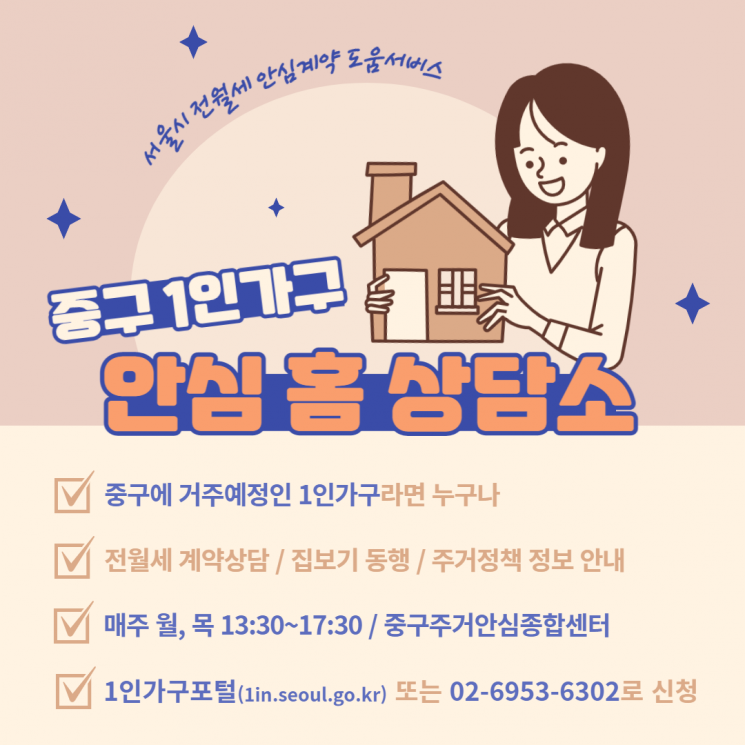
Jung-gu, Seoul, supports single-person households who may face difficulties due to lack of experience and information when signing real estate contracts.
On the 5th, Jung-gu announced the launch of the ‘Single-Person Household Safe Home Counseling Center’ to support stable real estate contracts for single-person households. The counseling center will operate for about five months until November, providing services through face-to-face or phone consultations by appointment via phone or online. It mainly offers consultation on housing lease contracts and customized housing policy information for single-person households planning to reside in Jung-gu.
Notably, single-person households can be accompanied by a housing safety manager when viewing properties, and professional consultation by real estate experts is also available, providing practical help for those seeking rental contracts. Housing safety managers hold certified real estate agent licenses and can provide consultation and accompaniment services during evenings and weekends upon scheduling.
Those wishing to consult can apply or inquire at the Jung-gu Housing Safety Comprehensive Center every Monday and Thursday from 1:30 PM to 5:30 PM, and applications are also accepted via the Seoul City Single-Person Household Portal.
Additionally, for single-person households who find it difficult to visit, a visiting service will be implemented. In the second half of this year, the district plans to operate a ‘Visiting Single-Person Household Safe Home Counseling Center’ in the Euljiro area, where many office workers reside, and Hwanghak-dong, where many middle-aged and elderly residents live.
According to Statistics Korea, 80.5% of single-person households live in rental housing. Moreover, first-time renters such as young people often face difficulties due to lack of expertise and difficulty in finding information.
This Single-Person Household Safe Home Counseling Center is part of the ‘Single-Person Household Jeonse and Monthly Rent Safe Contract Assistance Service’ supported by Seoul City.
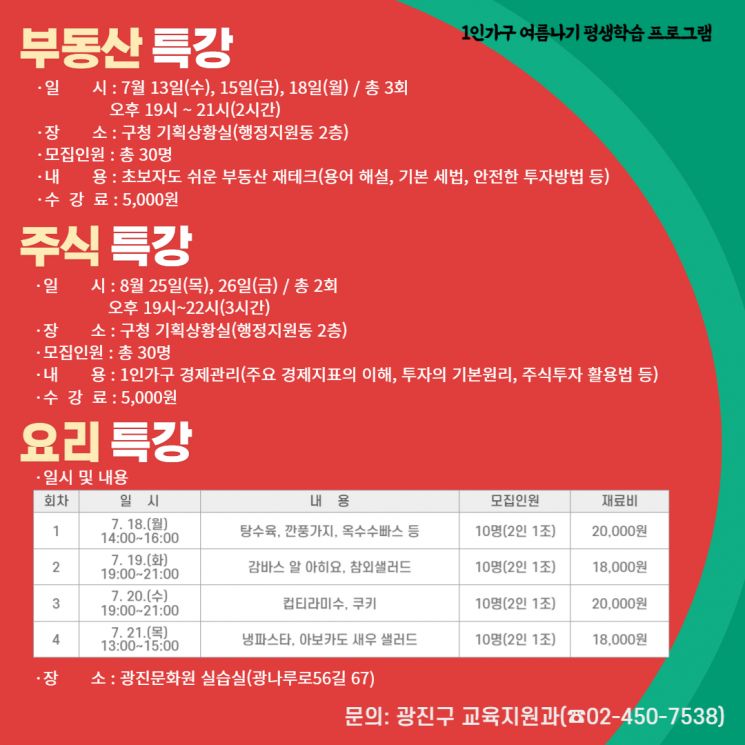
Gwangjin-gu (Mayor Kim Kyung-ho) will operate a customized lifelong education program this summer to support the healthy independence of single-person households.
Earlier this year, the district conducted an online lifelong learning survey to provide essential lifelong education programs for single-person households, and based on the results, planned a practical ‘Single-Person Household Summer Program’ focusing on housing, health, and finance.
First, on July 13, 15, and 18, a real estate special lecture easy for beginners to learn will be held. Each session accommodates 10 people and takes place in the district office planning situation room, covering real estate terminology, basic tax law, and safe investment methods to help stabilize housing for single-person households.
From July 18 to 21, cooking special lectures will be held to teach how to prepare healthy meals for oneself, including dishes like sweet and sour pork, gambas, cookies, and pasta. Each session accommodates 10 people and is held four times at the Gwangjin Cultural Center practice room.
On August 25 and 26, stock investment special lectures will be held for 15 people per session in the district office planning situation room, covering understanding major economic indicators, basic investment principles, and stock investment utilization methods to help manage finances for single-person households.
These courses are mainly scheduled on weekday evenings and weekends, considering working single-person households.
Any Gwangjin-gu resident who is a single-person household or prospective single-person household can apply. Applications can be made by phone to the Education Support Division or online via the Gwangjin Lifelong Education Portal.
The real estate and stock lectures have a tuition fee of 5,000 KRW, and the cooking lectures require a personal material fee of about 20,000 KRW.
Kim Kyung-ho, Mayor of Gwangjin-gu, said, “We expect this program to provide practical help for the healthy and affluent lives of single-person households in the region,” adding, “As single-person households have become an important household type in modern society, we plan to promote various projects to support them.”
© The Asia Business Daily(www.asiae.co.kr). All rights reserved.



















