[Seoul District News] Yongsan-gu Offers Up to 7 Rooms at New World Hotel from July 1 to August 31 for Low-Income Elderly Living Alone or Elderly Couples, Available Weekdays 3 PM to Next Day 1 PM, Weekends 5 PM to Next Day 1 PM... Jongno-gu Operates ‘Visiting Employment Counseling Center’ for Single-Person Households and Gosiwon Residents Until December... Dongjak-gu Launches New 'Our Family Food Therapy' Program to Restore Family Relationships of Protected Children... Seodaemun-gu Provides Tax Consultation and Payment Convenience During Property Tax Payment Period
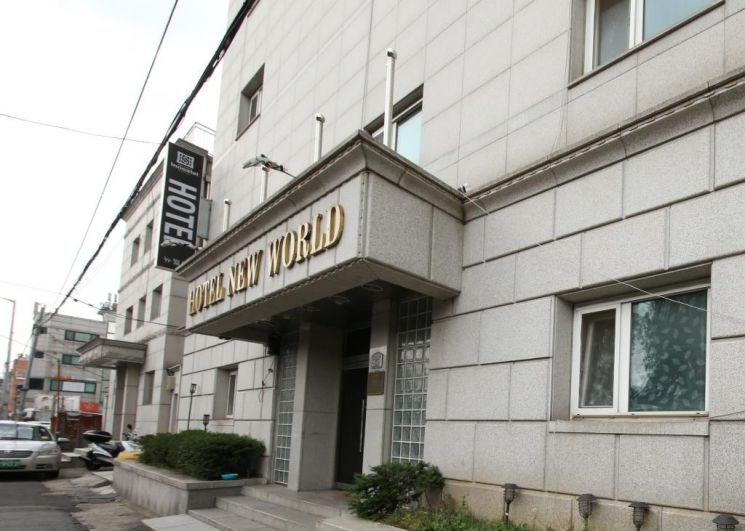
[Asia Economy Reporter Park Jong-il] Yongsan-gu (Mayor Park Hee-young) will operate a heatwave shelter safe accommodation for two months in July and August. This is to help residents living in poor housing conditions avoid tropical nights.
The district signed a business agreement with New World Hotel (photo) and will use up to seven rooms as heatwave safety shelters. The safe accommodation is available on weekdays from 3 p.m. to 1 p.m. the next day and on weekends from 5 p.m. when a heatwave warning is issued.
The safe accommodation support targets vulnerable groups to heatwaves such as elderly residents aged 65 or older living alone, low-income, or in vulnerable housing in Yongsan-gu. They can apply by visiting their local community service center or through proxy applications via life managers and visiting nurses.
Applicants must bring the confirmation certificate issued by the community service center to use the rooms. Depending on the heatwave warning status, they can use the accommodation for up to three consecutive nights. The accommodation fee during the period specified on the certificate is fully supported by the district.
If family members are registered on the resident registration certificate, up to two people can stay in one room, and use is restricted if COVID-19 symptoms are suspected.
A district official said, “You must first obtain the confirmation certificate to receive support,” adding, “If you use the accommodation first and then get the certificate, accommodation fees will not be supported.”
In addition, the district operates elderly heatwave shelters until September and shade shelters until October.
The 110 general elderly heatwave shelters are available on weekdays from 9 a.m. to 6 p.m., and 21 extended shelters can be used on weekends and holidays from 1 p.m. to 5 p.m. when a heatwave warning is in effect.
The 98 shade shelters are installed at major crosswalks and traffic islands with heavy foot traffic to help residents briefly escape the heat.
Mayor Park Hee-young said, “With this year’s worst heat expected and the increased burden of cooling costs due to electricity price hikes, we will explore various ways to operate heatwave shelters and shade shelters as well as methods to lower urban temperatures.”
The district operates fountains at eight locations including Wonhyo Greenbelt waterfront space, Samgakji, and Hangang Bridge resident shelters. It also runs an energy voucher program that supports electricity bills for households receiving livelihood or medical benefits, including elderly, infants, disabled, pregnant women, patients with severe or rare diseases, single-parent families, and child-headed households.
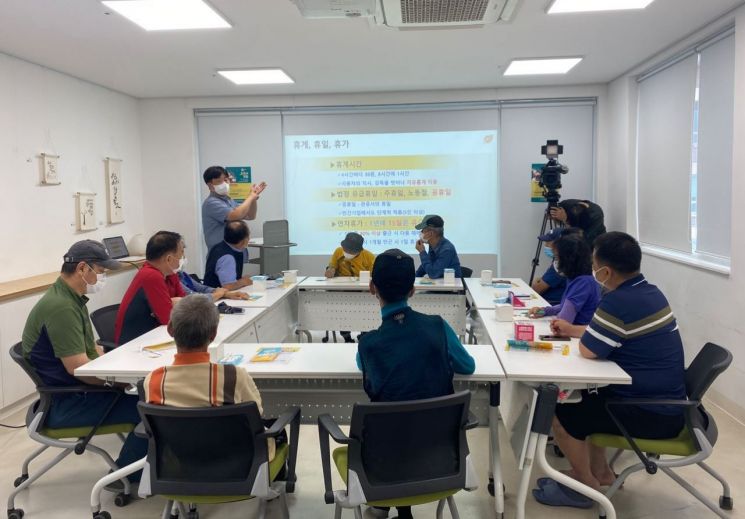
Jongno-gu (Mayor Jeong Moon-heon) will operate a ‘Visiting Employment Counseling Center’ for job seekers in vulnerable employment groups who find it difficult to visit the Job Plus Center until December this year.
This is to help vulnerable residents who have had difficulties registering for jobs due to the prolonged COVID-19 pandemic by discovering them and providing customized employment support programs to assist in job placement.
The target group includes single-person households such as youth, middle-aged, and women living in areas densely populated with small rooms, goshiwon (cheap dormitories), and one-room apartments.
Therefore, experts such as job counselors and labor attorneys will regularly visit once or twice a month at places with high resident accessibility, including small room counseling centers, Jongno Regional Self-Support Center, and community service centers (Changsin 1, 2, 3-dong, Sungin 1, 2-dong), to provide related education and counseling free of charge.
The main contents include ‘employment counseling’ that teaches how to fill out job applications and helps find suitable jobs together. It also includes ‘employment competency enhancement education’ that teaches resume and self-introduction writing and successful interview techniques, and ‘labor education’ to learn essential labor information workers must know.
Previously, related education was conducted three times from June 23 to 29 at Changsin-dong and Donui-dong small room counseling centers and the regional self-support center.
Jongno-gu operates the ‘Jongno Job Plus Center’ providing job placement, employment counseling, and vocational training information suitable for anyone in the community.
Despite the prolonged COVID-19 crisis last year, the overall employment rate (total employed among registered job seekers) increased by about 9% compared to 2020, and the placement employment rate (employed through placement among registered job seekers) maintained the 21% range.
Employment counseling is always available at the Jongno Job Plus Center, and for more details, residents can inquire directly via the district office website or phone.
Mayor Jeong Moon-heon said, “We will devote ourselves to providing job information and education for vulnerable employment groups,” adding, “We will also strive to prepare mid- to long-term job support measures looking beyond the post-COVID era.”
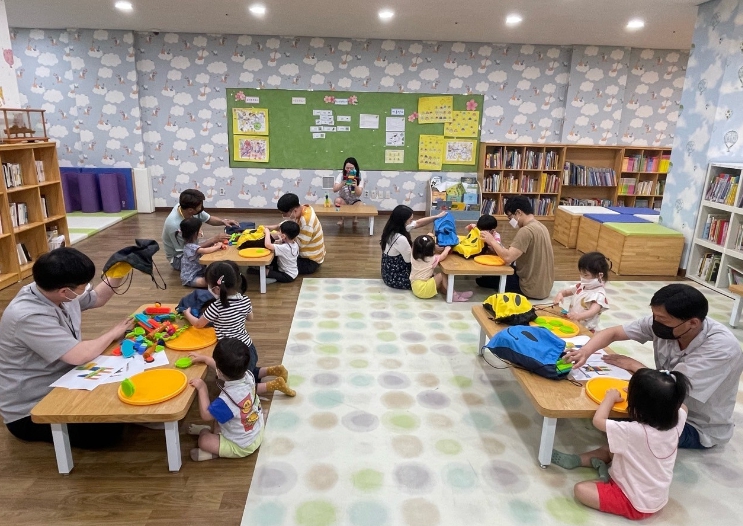
Dongjak-gu (Mayor Park Il-ha) is newly launching the ‘Our Family Food Therapy’ support project to restore family functions for children under protection.
Interview visits between children under protection in child welfare facilities and their families have been conducted independently by the facilities, but following the amendment of the Child Welfare Act in December last year, local governments will play a central role in activating interview visits from the planning stage to monitoring.
Accordingly, the district will implement the ‘Our Family Food Therapy’ support project this year for 31 children living separated from their families for a long time in facilities or foster care who have guardians such as parents or relatives, aiming to restore family relationships.
Representative programs include ▲‘First Meeting Activity’ that supports enjoyable family meals to provide opportunities to build bonds and ▲‘Family Experience Cooking Class’ to create special memories with family.
Up to four people per household (including children) can participate, and for the child’s safety, infants, disabled children, and abused children will participate accompanied by their assigned caregivers.
The project prioritizes the child’s best interests and respects their wishes by conducting continuous and regular interview visits, setting communication methods and frequency considering individual characteristics and adaptation stages.
The district expects this project to help children separated from their families heal wounds, grow healthily, maintain continuous relationships with their families, and return to their original families promptly. For more details, contact the Dongjak-gu Office Child and Youth Division.
Kim In-sook, head of the Child and Youth Division, said, “We hope to enhance children’s psychological stability through family exchanges and restore family functions after protection ends,” adding, “We will do our best to support children to grow brightly in better environments.”
In addition, the district is striving to strengthen child protection by expanding medical expense support for newly protected and protected children, expanding counseling support for child protection services, and providing child awareness improvement education for all residents.
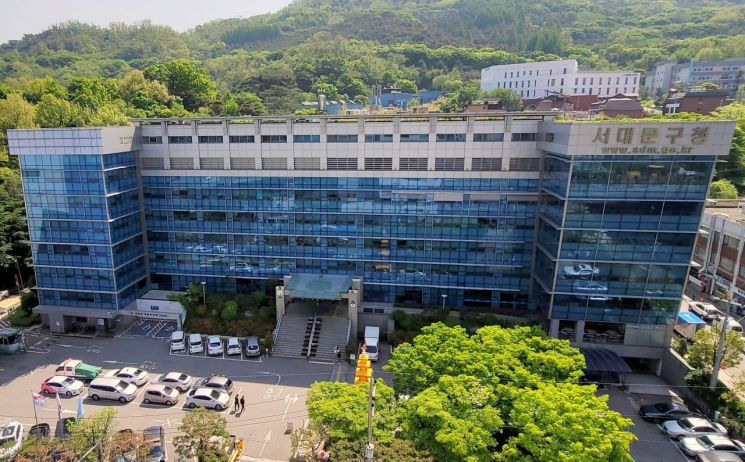
Seodaemun-gu (Mayor Lee Seong-heon) will organize and operate a ‘Tax Payment Counseling Team’ during the regular July property tax payment period from the 16th of this month to the 1st of next month to provide tax consultation and payment convenience.
Through this, the district aims to respond kindly and promptly to residents’ inquiries about self-reporting and payment and to implement high-quality tax administration services.
Property tax is levied annually on June 1 on owners of houses, buildings, land, ships, etc., and is divided into July and September payments.
In July, half of the house tax and taxes on buildings other than houses and ships are levied, followed by the remaining half of the house tax and other land excluding house accessory land in September.
The scale of the July regular property tax levy in Seodaemun-gu is 143,878 cases totaling 23.397 billion KRW, and the district will send out tax bills by the 13th of this month.
If the payment deadline is missed, a 3% initial surcharge must be paid the following month, and if the property tax amount is 300,000 KRW or more, additional monthly surcharges of 0.75% for up to 60 months must be paid.
Property tax can be paid at nationwide commercial banks, NongHyup, Suhyup, Saemaeul Geumgo, and post offices.
At convenience stores (CU, GS25), payment is possible 24 hours by credit card (Samsung, Hyundai, Woori BC, Lotte, and former Foreign Exchange cards only) or cash card (Shinhan and others with transfer fees).
It can also be paid via the Seoul City Internet Tax Payment System or the smartphone app ‘Seoul City Tax Payment’ by bank transfer or credit card.
The district plans to strengthen publicity through various media to increase payment rates within the deadline. For inquiries about property tax, contact the Seodaemun-gu Office Tax Division 1 for detailed guidance.
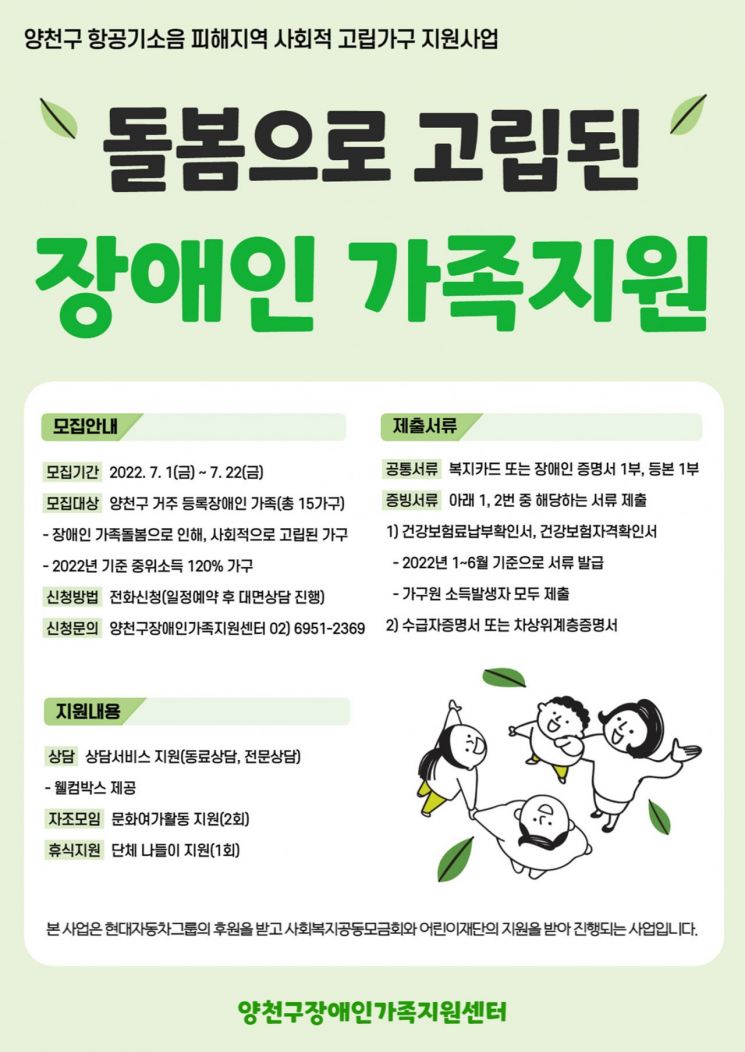
Yangcheon-gu (Mayor Lee Gi-jae) is conducting the ‘Yangcheon Mind Talk Talk’ project, a social isolation household discovery support project, through the Disabled Family Support Center until the 22nd of this month.
Caring for a disabled person who requires constant attention is physically and psychologically burdensome, often leading to neglect of relationships with the surrounding community. From the caregiver’s perspective, not only their own body but also their social self becomes isolated.
Accordingly, the district planned the ‘Mind Talk Talk’ project with the center to find disabled families feeling disconnected due to caregiving and build social networks.
The application period for ‘Yangcheon Mind Talk Talk’ is until the 22nd, during which the district plans to discover isolated disabled families throughout the community and assess individual household needs through counseling. Based on counseling data, customized services will be linked by October. In particular, self-help group meetings for isolated households, group outings, and cultural leisure activities will be planned to relieve stress and provide opportunities to feel belonging and social connection.
Additionally, from July 4 to 15, families will be recruited to participate in the ‘Disabled Family Rest Support’ project. This project supports individual travel expenses for disabled families to help refresh their mood and emotional recovery in daily life. Six families will be selected by lottery, and travel expenses for day trips or one-night/two-day trips will be supported from September to October.
Disabled families wishing to participate in ‘Yangcheon Mind Talk Talk’ and ‘Disabled Family Rest Support’ projects can refer to the Yangcheon-gu Disabled Family Support Center website or contact the center.
The center operates various programs for disabled families under the vision of ‘Happy Disabled, Healthy Families,’ including counseling (peer and professional counseling), parent education, emergency care services, and vacation care services.
Mayor Lee Gi-jae of Yangcheon-gu said, “Isolation of disabled families is not an individual problem but a matter requiring social intervention and support. Now, along with support for disabled individuals, a dense welfare system at the community level for family members must also be established,” adding, “In Yangcheon-gu, a city where people want to live and live well, no one will be excluded or isolated, and we will warmly embrace and care for the lives of the vulnerable through a solid support system.”
© The Asia Business Daily(www.asiae.co.kr). All rights reserved.



















