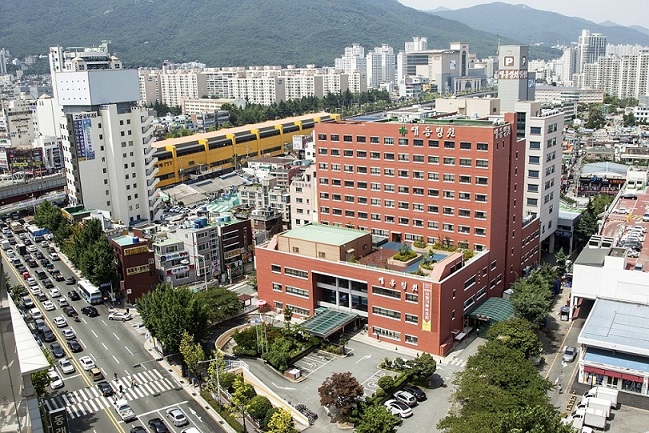
[Asia Economy Yeongnam Reporting Headquarters Reporter Hwang Doo-yeol] Daedong Hospital Endocrinology Center has opened a diabetes education room since the 27th to operate a customized education program for diabetes patients.
In the newly established diabetes education room, education and counseling are provided on all aspects of diabetes, including the causes and treatment of diabetes, medication and diet, exercise, complication management, lifestyle improvement, and insulin education necessary for diabetes management.
The diabetes education team is composed of endocrinologists, pharmacists, nurses, and nutritionists who have completed specialized diabetes education, and they educate diabetes patients and their families on the knowledge, skills, and attitudes necessary for proper diabetes management.
Additionally, by educating patients on appropriate management and coping methods for situations where self-treatment is difficult or for acute complications, it aims to help diabetes patients maintain their health.
To use the diabetes education room, patients must receive a prescription after being treated at the endocrinology department.
After filling out a consent form and paying the consultation fee, patients visit the education room prepared in the outpatient internal medicine department on the 2nd floor of Daedong Hospital at the reserved time, where education and counseling are conducted according to the patient's condition.
The education, which lasts about 30 minutes, is primarily conducted once, but re-education may be necessary depending on the patient's condition.
Diabetes refers to a condition where the glucose level in the blood is higher than normal.
Glucose, which can be considered the most basic energy source for our body, requires a hormone called insulin to perform its normal functions.
Diabetes occurs when insulin secretion is insufficient or its function is impaired due to various causes.
In Koreans, the prevalence of diabetes is increasing due to stress, overeating, lack of exercise, and other factors.
According to the Korean Diabetes Association's "2018 Fact Sheet," it is estimated that the number of diabetes patients in Korea exceeds 5 million, and including the prediabetes stage, it is predicted to exceed 13 million.
In many cases, diabetes is discovered only after chronic complications have developed because there are no initial subjective symptoms.
If detected late or if treatment is delayed, quality of life may decline due to various complications such as diabetic retinopathy, diabetic nephropathy, diabetic autonomic neuropathy, and peripheral vascular disease.
To prevent diabetes, it is necessary to raise awareness about diabetes and continuously monitor and manage one's blood sugar levels through regular check-ups.
Jo Ara, head of the Endocrinology Center at Daedong Hospital, said, "Diabetes is a disease that can be sufficiently managed by improving lifestyle habits and dietary therapy, but it is not easy for patients to manage on their own. We expect that the opening of the diabetes education room will provide correct information to local diabetes patients, helping not only in diabetes management but also in preventing complications, thereby improving quality of life."
For diabetes management, it is important to maintain healthy lifestyle habits such as regular exercise, maintaining standard weight, balanced diet, quitting smoking, moderate alcohol consumption, sufficient sleep, and stress management rather than relying solely on food.
Also, those in high-risk groups?such as individuals with ▲obesity ▲family history ▲previous abnormal blood sugar levels ▲hypertension ▲dyslipidemia ▲cardiovascular or cerebrovascular diseases ▲gestational diabetes ▲history of giving birth to a baby weighing over 4 kg?should regularly check their blood sugar levels.
© The Asia Business Daily(www.asiae.co.kr). All rights reserved.
![User Who Sold Erroneously Deposited Bitcoins to Repay Debt and Fund Entertainment... What Did the Supreme Court Decide in 2021? [Legal Issue Check]](https://cwcontent.asiae.co.kr/asiaresize/183/2026020910431234020_1770601391.png)
















