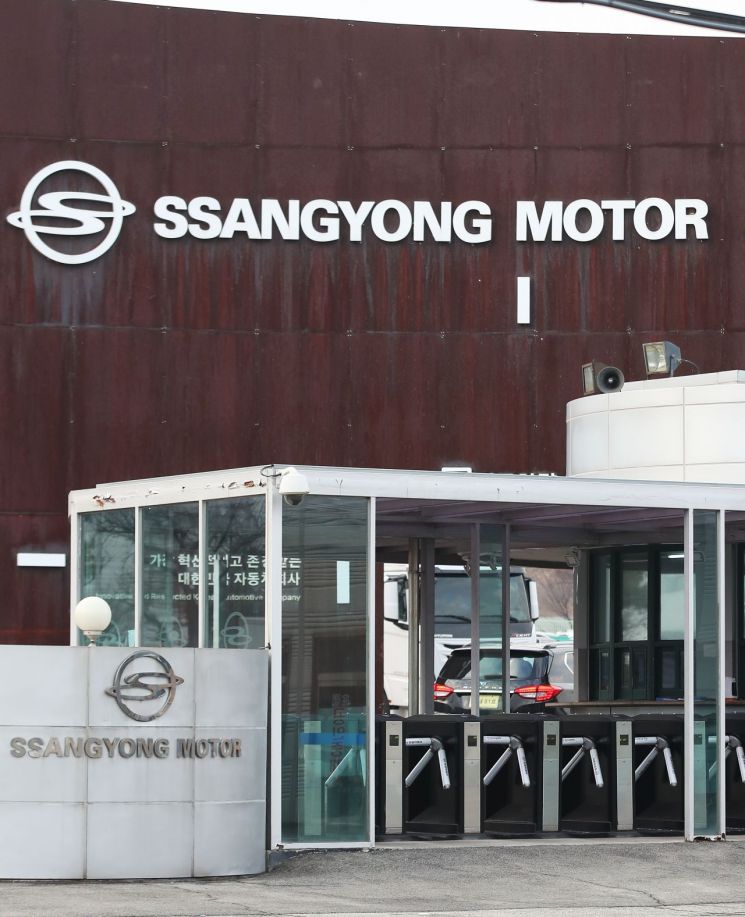
[Asia Economy Reporter Yoo Hyun-seok] KG Group has become the final owner of Ssangyong Motor. Ssangyong Motor has endured a turbulent journey with multiple changes in ownership.
On the 28th, the Seoul Bankruptcy Court, Rehabilitation Division 1 (Presiding Judge Seo Kyung-hwan, Chief Judges Lee Dong-sik and Na Sang-hoon) selected the KG Consortium, which was the prospective buyer before the sale announcement, as the final prospective buyer of Ssangyong Motor.
Ssangyong Motor has experienced many ups and downs. Although it is a domestic automaker, it has a history of being acquired twice by foreign capital.
Ssangyong Motor originated from the 'Hadonghwan Automobile Workshop' in 1954 and changed its name to Dong-A Motor in 1977. In 1986, it joined the Ssangyong Group and has maintained its current name since then.
The ownership changed several times thereafter. It was acquired by Daewoo Group in 1998 but entered a workout program in 1999 and was sold to China's Shanghai Automotive in 2004. In 2009, Shanghai Automotive withdrew, and the company entered corporate rehabilitation proceedings. At that time, about 1,700 employees were laid off, leading to the 'Ssangyong Motor Incident.'
Later, in 2011, it was acquired by India's Mahindra Group, and the company seemed to stabilize. The compact sports utility vehicle (SUV) Tivoli was a hit, and the company returned to profitability in 2016.
However, the tragic cycle of changing owners did not end. Mahindra's management situation worsened due to COVID-19, and in April 2020, it withdrew its investment plan for Ssangyong Motor and declared relinquishment of management rights in June of the same year.
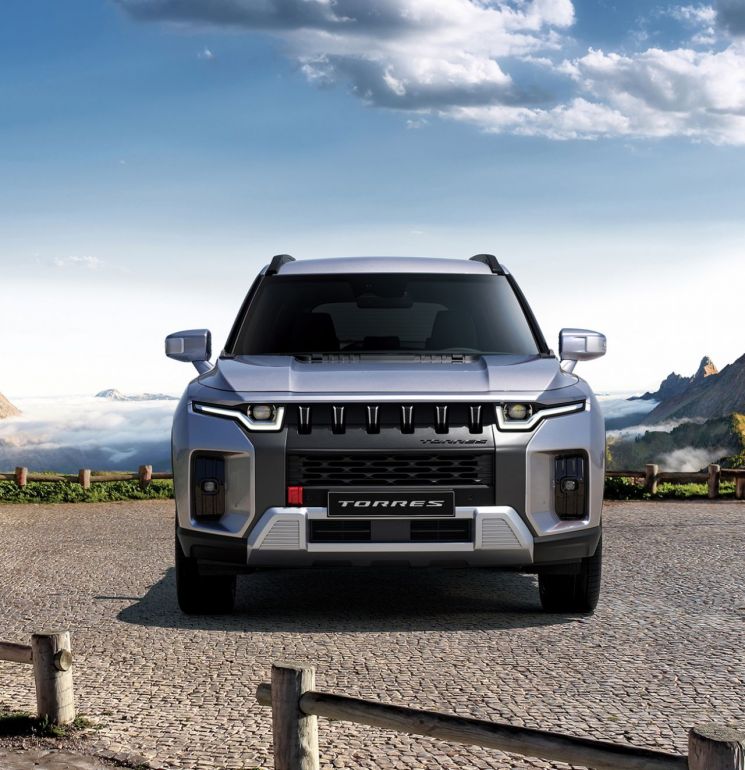
Ultimately, Ssangyong Motor sought a new owner again. It entered corporate rehabilitation proceedings in April last year. Edison Motors, an electric bus manufacturer, emerged as a candidate. Ssangyong Motor selected the Edison Motors consortium as the preferred M&A negotiation partner in October last year and signed the main contract in January this year.
However, various controversies arose during the acquisition process. Doubts about Edison Motors' financial capability persisted. Additionally, the trade creditors and labor union expressed opposition. Eventually, Edison Motors failed to pay the remaining acquisition funds, leading to the cancellation of the investment contract.
As a result, the search for a new owner of Ssangyong Motor returned to square one. Time was running out for Ssangyong Motor. Since the deadline for the approval of the rehabilitation plan was October 15, all schedules had to be completed by then. Ssangyong Motor proceeded with re-sale using the 'stalking horse' method, signing a conditional investment contract with a prospective buyer and confirming the buyer through a public bidding process.
The KG Consortium, Ssangbangwool Group, and ELB&T participated in the re-sale of Ssangyong Motor, and on the 13th, the KG Consortium was selected as the prospective buyer. Subsequently, on the 18th of the same month, Ssangyong Motor signed a conditional investment contract with the KG Consortium. The KG Consortium consists of the special purpose company (SPC) KG Mobility, KG ETS, KG Steel, KG Inicis, KG Mobilians, as well as Kektus PE and Pavilion PE.
The public sale process then began. On the 24th of last month, Ssangbangwool Group submitted an acquisition proposal. This led to a two-way competition between the KG Consortium and Ssangbangwool. Ultimately, the court selected the KG Consortium as the final prospective buyer, and Ssangyong Motor came under the umbrella of KG Group.
© The Asia Business Daily(www.asiae.co.kr). All rights reserved.


















