NATO Expands Response Scope to Asia... "Formalizing Cold War Structure"
Controversy Over Term 'Structural Challenge'... Caution Considering China Trade
Chinese State Media Unite in Backlash... "Sino-Korean Relations May Complicate"
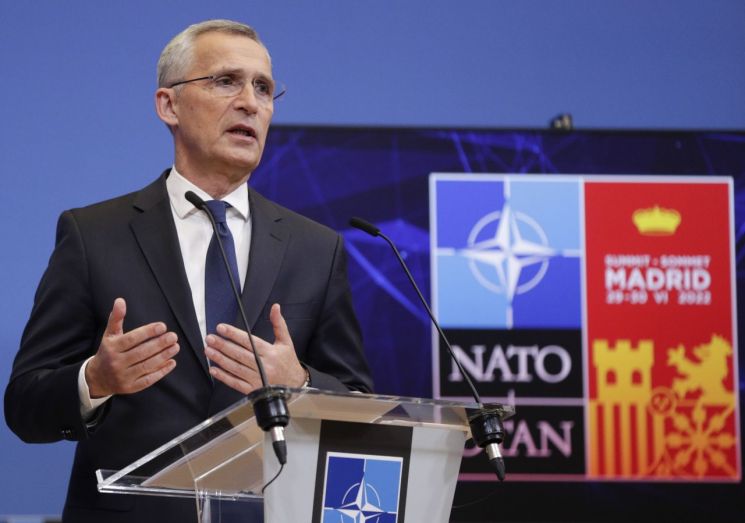
[Asia Economy Reporter Hyunwoo Lee, Beijing Correspondent Youngshin Cho] The North Atlantic Treaty Organization (NATO) including China in its strategic concept is being interpreted as an official declaration that China and Russia are competitive powers in a Cold War framework, similar to the former Soviet Union. It is expected that intense hegemonic competition will continue, accompanied by systemic rivalry and economic and security containment policies extending beyond Europe and North America to the entire world.
However, voices urging caution against indiscriminate containment, as seen in the past Cold War confrontation, are growing, especially among European countries such as France and Germany, considering China's enormous share in the global economy. As debates over establishing relations with China are expected to continue within NATO, concerns are rising that the situation on the Korean Peninsula and in Northeast Asia, which face China and Russia directly, may become unstable.
◆ NATO Expands Response Scope to Include China
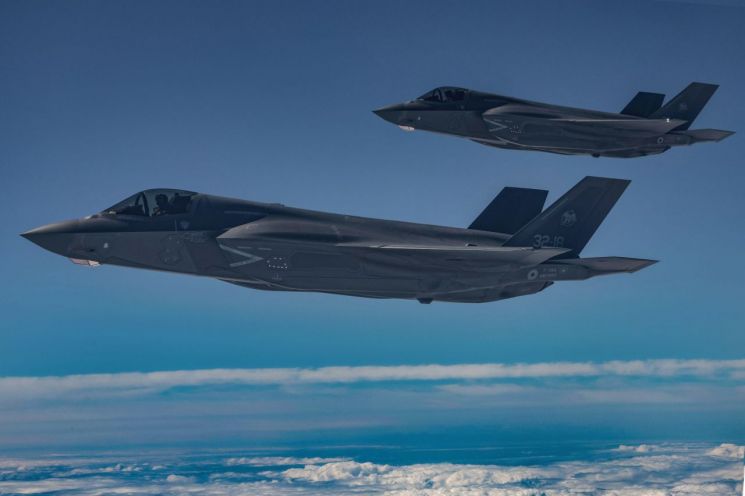
On the 27th (local time), Bloomberg News cited NATO diplomats saying, "In the new NATO strategic concept to be adopted at this summit, China is expected to be explicitly identified as a ‘systemic challenge’." Bloomberg reported that China had never been mentioned in NATO's strategic concepts before and was regarded merely as a favorable trade partner.
It is known that NATO member countries have been deliberating for several months on including China in the strategic concept. Bloomberg explained that including China alongside Russia in NATO's strategic concept explicitly declares a Cold War-style confrontation system with these two countries.
Mary Elise Sarotte, a post-Cold War international relations expert and professor at Johns Hopkins University, told Bloomberg, "It is clear that NATO is considering maintaining a long-term Cold War relationship with the former Soviet Union. NATO cannot ignore China's rise and must respond to the strengthened cooperation between the two countries following the Ukraine war."
◆ Controversy Over the Term ‘Systemic Challenge’
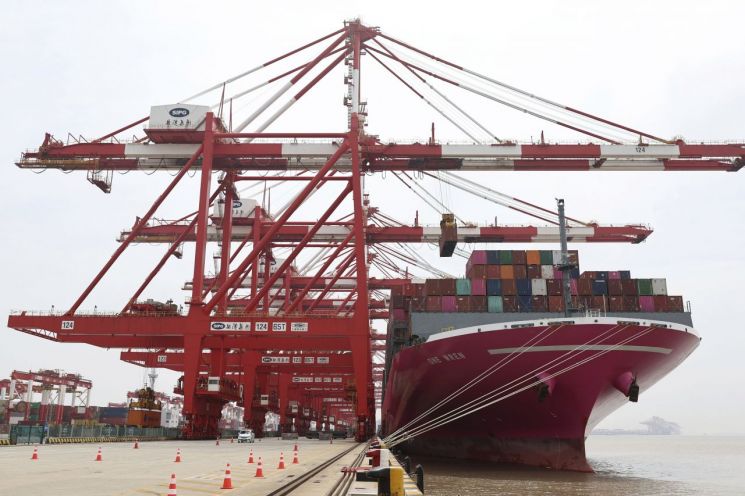
However, controversy continues within NATO over the level of expression used for China. If China is designated as a country threatening NATO like Russia, trade and investment suspensions are expected, leading European countries highly dependent on China to advocate caution.
A word that reflects this controversy is ‘systemic challenge,’ used to refer to China. According to AFP News Agency, NATO member countries mostly agree on changing Russia's designation from ‘strategic partner’ to ‘direct threat’ in the revised strategic concept, but debates continue over the terminology for China.
AFP reported that the term ‘systemic challenge,’ currently the most seriously considered expression for China within NATO, refers to a country that is not a threat nation engaged in sanctions and military confrontation like Russia but is a subject with which some cooperation continues through negotiation and dialogue.
Within NATO, especially in the United States and the United Kingdom, which have a strong stance on containing China, there is a position that China, which declared an ‘unlimited partnership’ with Russia just before Russia's invasion of Ukraine, should be described as a more severe threat. However, member countries such as France and Germany are reportedly expressing a cautious stance considering the scale of investment in China.
◆ Strong Backlash from Chinese State Media: "Sino-Korean Relations May Become More Complex"
Chinese state media are strongly opposing NATO's announcement. They are also hinting at possible changes in diplomatic relations with countries like South Korea.
China's state-run Global Times, citing experts, noted the complexity of European countries' interests and pointed out that the United States will not be able to get what it wants according to its plans. The Global Times evaluated, "Including China in the strategic concept means that China becomes a NATO priority, revealing NATO's intention, a Cold War legacy, to expand its influence into the Asia-Pacific." It also warned that "there could be significant changes in China's foreign policy going forward."
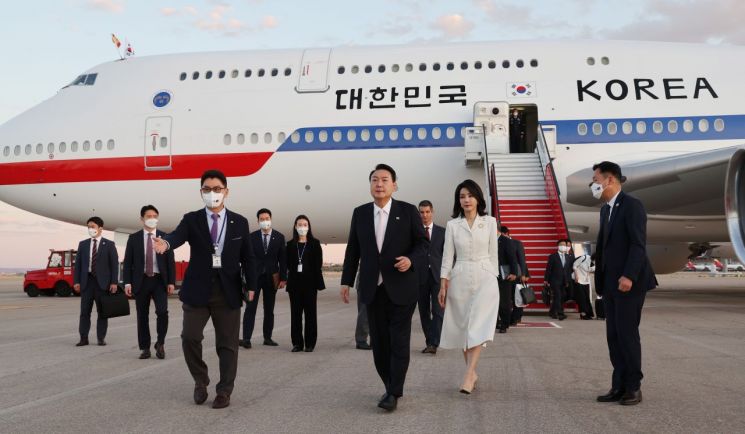
Chinese media also mentioned South Korea's participation in this NATO summit. They indirectly expressed discomfort with South Korea's attendance, stating that NATO's expansion into the Pacific region will create tensions on the Korean Peninsula and further complicate Sino-Korean relations.
Yuan Zheng, a researcher at the Chinese Academy of Social Sciences' Institute of American Studies, explained, "The United States is trying to expand its alliance system, but those countries cannot ignore China's (economic) influence. The plan by some U.S. political powers to maintain hegemony by exploiting the Ukraine crisis will not succeed."
© The Asia Business Daily(www.asiae.co.kr). All rights reserved.



















