The Northern Peak of Silla's Royal Capital and Command Post for National Affairs
"Clearly Reflects the Transitional Period of Silla History, High Historical and Academic Value"
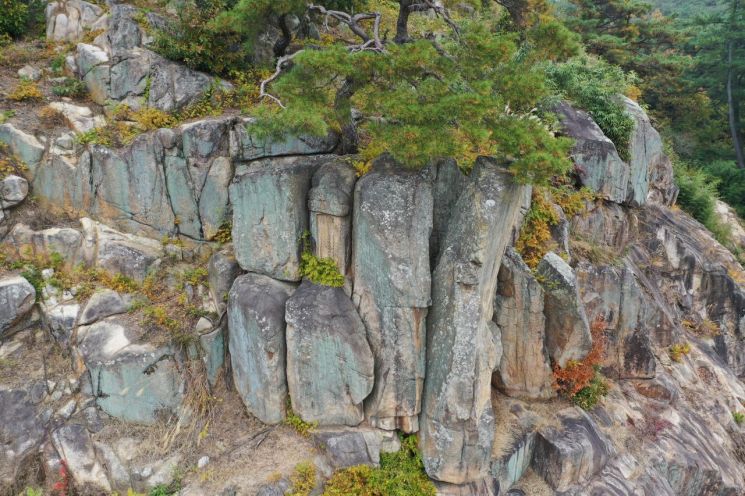
Buddhism cannot be excluded when discussing the history of Silla. It formed the foundation of culture and brought stability to the political system. The turning point was made by Ichadon (506?527), who believed Buddhism was necessary for Silla and willingly became a martyr before King Beopheung.
"There is nothing more difficult to give up than my own life. However, if I die tonight and a great teaching is practiced by morning, the day of Buddha will rise again, and the king will have lasting peace (Samguk Yusa)."
When the magistrate beheaded him, white milk gushed forth. The severed head flew up to the sky and fell on the summit of Geumgangsan in Gyeongju. King Beopheung, mourning, built Jachusa there, which is presumed to be the present-day Baekryulsa Temple.
According to the Cultural Heritage Administration on the 17th, the area around Pyoambong Peak of Geumgangsan in Gyeongju, a sacred site of Silla Buddhism, has been designated as a national historic site. The area encompasses the history of Silla’s acceptance of Buddhism, including Baekryulsa Temple and the martyrdom monument of Ichadon. Numerous cultural assets that help understand the culture and art of the time, such as the Gulpulsa Stone Relief Buddha (Treasure) and the Dongcheon-dong Rock-carved Triad Buddha Seated Statue (Provincial Tangible Cultural Property), are also widely distributed.
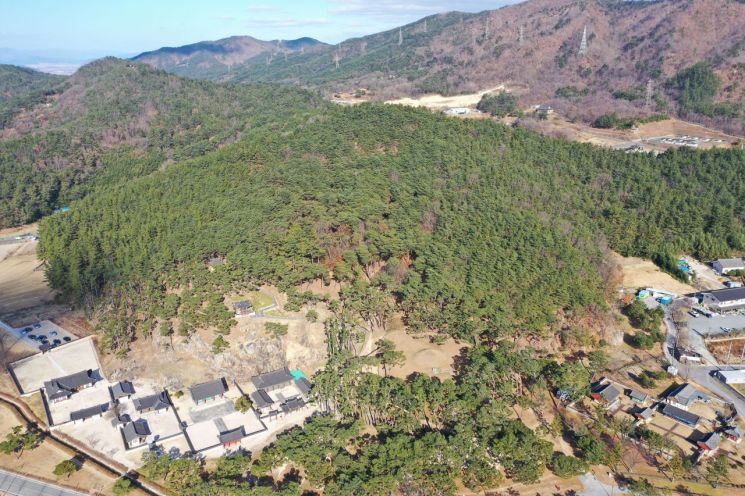
Geumgangsan is the Northern Peak (Bukak) of the Five Sacred Mountains of the Silla royal capital and also served as a command site (Saryeongji) where important national affairs were discussed. It has been regarded as a sacred space since the state formation stage. In particular, the Pyoam site is the birthplace of Silla’s founding, where the six village chiefs unanimously enthroned Park Hyeokgeose as the king of Silla. It was also used as a resting place after death and a ritual space. Representative cultural heritages include the Tomb of King Talhae (Historic Site) and the Dongcheon-dong Burial Mounds, which show the shift of burial spaces from the city center to surrounding mountainous hills.
A Cultural Heritage Administration official explained, "The sacred historical spatiality, symbolism as a Buddhist sacred site, and the ritualistic place of Silla reveal the transitional aspects of Silla history well, making it of outstanding historical and academic value."
© The Asia Business Daily(www.asiae.co.kr). All rights reserved.


















