[Seoul District News] Seocho-gu Expands Outdoor Heat Relief Shelters from 4 to 6 Locations, Pilots ‘Seorikul Refrigerator’; ‘Seoripul Wondumak’ Expanded to 20 Sites Based on Resident Requests and Surveys, Totaling 232 Locations; Adds 50 ‘Seoripul Cooling Chairs’ for 119 Sites Starting July... Guro-gu Provides Cooling Supplies to Over 1,000 Heat-Vulnerable Households... Dongdaemun-gu Dementia Safety Center Holds ‘Dementia Safe Village, Let’s Do It Together’ Memory Cafe Campaign at Jangan Neighborhood Park on the 14th... Seongdong-gu, Parks and Streams
[Asia Economy Reporter Park Jong-il] Seocho-gu is rolling up its sleeves to prepare for a safe and healthy summer by establishing various “life-oriented heatwave countermeasures” that residents can truly feel, such as camping-style heatwave shelters and water refrigerators, amid the forecast of heatwave warnings this summer.
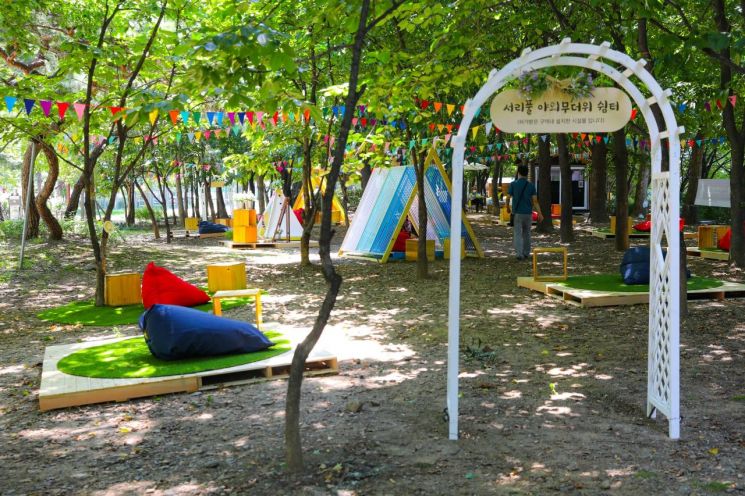
First, the outdoor heatwave shelters, an urban oasis using the shade under parks and bridges that received great responses last summer, will be operated at a total of six locations (including Yangjaecheon Neighborhood Park), such as Gilmajunggil Park, Banpo Neighborhood Park, and Sindong Neighborhood Park, starting from mid-July.
The outdoor heatwave shelters are being prepared to give the feeling of a cool campsite with colorful Indian tent-shaped shade tents, bean bags, ice cushions, and box tables. In particular, the newly introduced “Seorikul Refrigerator” in the shelter will provide 400 bottles of cool water daily at each location.
Also, the “Seoripul Wondumak,” a large shade tent in front of crosswalks first started nationwide by Seocho-gu in 2015, has been operating at 212 locations since April. It plans to expand to 232 locations by adding 20 more by July.
In addition, to mitigate urban heat island effects, the district will expand the operation of the “Seoripul Oasis” project, which lowers roadside temperatures by flowing water along the roadsides during summer. The “Seoripul Oasis” installed at Yangjae Station, Nambu Bus Terminal Station, and Bangbae Station operates six times a day during summer (June to August). The “Seoripul Cooling Chairs,” which reduce temperatures by 5 to 6℃ compared to existing bus stop seats, will be installed at 50 additional locations, operating a total of 119 locations from July, further strengthening life-oriented heatwave responses.
Furthermore, the district plans to minimize heatwave damage by focusing on vulnerable groups such as the elderly, outdoor workers, and homeless people. Measures include ▲providing heatwave preparedness behavior guidelines and health rules to elderly living alone via safety text messages, phone calls, and visits ▲establishing a smart safety confirmation system through AI care robots ▲visiting health care by visiting nurses and welfare planners for high-risk elderly living alone ▲providing relief supplies (water, cool scarves, etc.) and facility admission guidance for the homeless during heatwave warnings.
Especially this year, with the enforcement of the Serious Accident Punishment Act, heat illness prevention education will be conducted for summer workplace workers, and safety measures for workers during heatwave stages will be strengthened, including providing 10 to 15 minutes of rest per hour during warnings, stopping work during high-temperature hours, and operating two-person teams.
Meanwhile, the district resumed operation of 92 indoor heatwave shelters (community centers, senior centers, senior welfare centers, etc.) that had been temporarily suspended due to COVID-19 since May. They operate from 9 a.m. to 6 p.m. on weekdays and extend to 9 p.m. during heatwave warnings.
Park Kyung-joo, Director of the Safety City Division, said, “We will implement meticulous life-oriented heatwave countermeasures so that all residents can spend a cool and safe summer from the summer heat.”
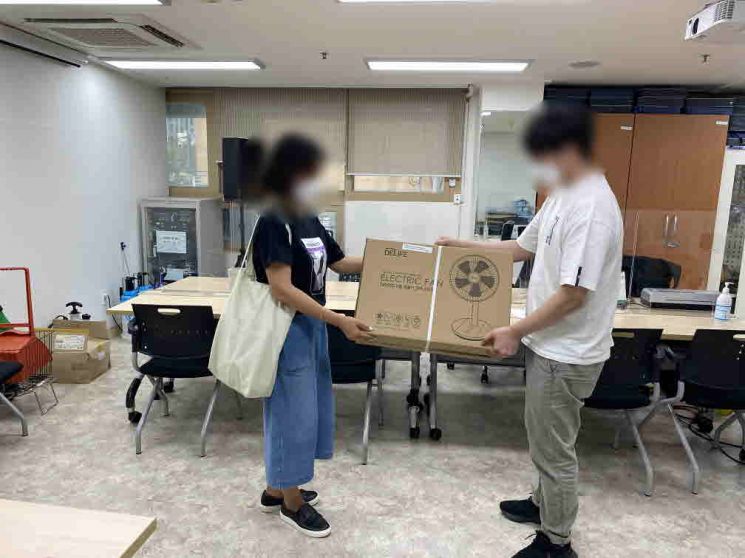
Guro-gu (Mayor Lee Sung) will support cooling supplies so that vulnerable groups to heat can spend a cool and safe summer.
The support targets about 1,000 households of elderly and low-income vulnerable groups, providing one item among cooling supplies such as fans, summer blankets, reed mats, cool arm sleeves, and parasols.
The items will be distributed through each community service center, and welfare personnel such as welfare planners, care managers, and visiting nurses will deliver them to residents with mobility difficulties. Along with the delivery, summer health management methods will be guided, and welfare calls will be made to vulnerable groups.
Before distribution, Guro-gu conducted a demand survey targeting households without cooling supplies or those needing replacement due to wear, to provide customized necessary items for each recipient.
The cooling supplies were prepared with donations received through the Guro Sharing Network (Guro-gu, Guro Hope Welfare Foundation, Seoul Social Welfare Community Chest) last year.
A Guro-gu official said, “As the early heatwave continues, vulnerable residents are having a hard time due to the heatwave. We will do our best to help residents spend a healthy summer in a comfortable environment.”
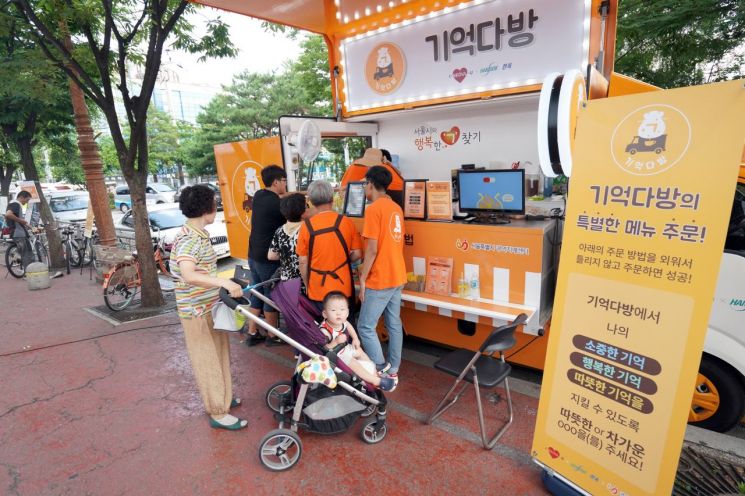
Dongdaemun-gu (Mayor Yoo Deok-yeol) and the Dongdaemun-gu Dementia Safety Center (Director Kim Jong-woo) will hold the “Dementia Safety Village, Let’s Join Together” campaign on the 14th from 10 a.m. to 4 p.m. at Jangan Neighborhood Park, featuring the mobile caf? “Memory Caf?” where elderly with mild cognitive impairment participate as baristas.
“Memory Caf?” is a mobile caf? meaning “various ways to protect memories.” The Seoul Metropolitan Dementia Center supports the “Memory Caf?” coffee truck, and elderly with mild cognitive impairment using the Dongdaemun-gu Dementia Safety Center participate as daily baristas.
At “Memory Caf?,” there may be somewhat absurd and unexpected situations such as delayed orders or receiving different menu items, but understanding these cheerfully and naturally is a basic rule of using the caf?. All drinks, including brewed coffee, plum tea, and omija tea, are provided free of charge.
Along with “Memory Caf?,” the “Dementia Safety Village, Let’s Join Together” campaign will be held to resolve dementia-related questions and participate in prevention activities. Operated as an experiential booth where local residents can directly participate, the campaign offers early dementia screening, professional counseling, computer-based group rehabilitation cognitive program CoTras-G, bracelet making, and dementia awareness surveys.
Kim Jong-woo, Director of Dongdaemun-gu Dementia Safety Center, said, “I hope that the elderly participating as baristas at Memory Caf? regain confidence that they can do things on their own through this activity. Since this campaign is held in Jangan 2-dong, a dementia safety village in Dongdaemun-gu, I ask many residents to participate to improve dementia awareness.”
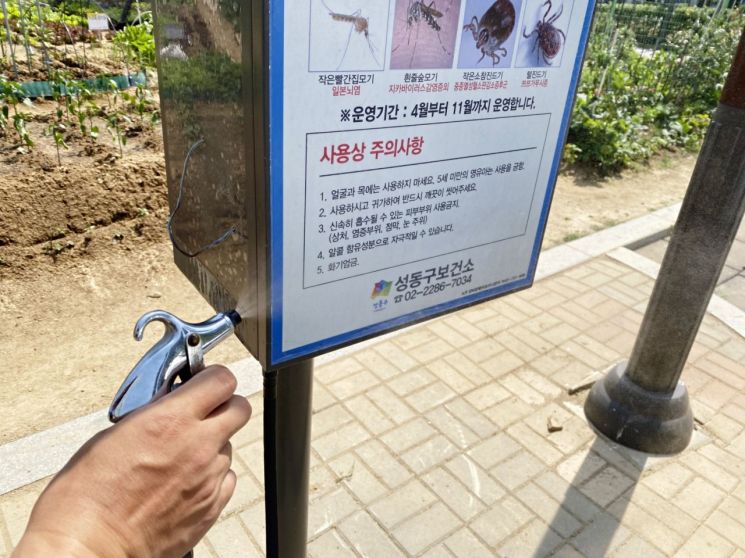
Seongdong-gu (Mayor Jung Won-oh) has installed and is operating a total of 293 pest control devices (285 units) and automatic pest repellent sprayers (8 units) targeting riversides and other areas in the district to eliminate pests, unwelcome guests in summer.
Focusing on areas with many outdoor activities such as parks and riversides, the devices are installed and operated in places including embankment parks, waterfront parks, sports parks, and neighborhood parks around residential areas such as Eungbongsan, Geumhosan, Daehyeonsan, and Dalmaji Park.
The pest control devices use UV LED lights that attract insects like mosquitoes that prefer certain wavelengths. They can lure pests into the device from a distance. Especially at night, they continuously attract flying pests like mayflies that gather in swarms following the light, enabling efficient control.
In addition to neighborhood parks, a total of eight automatic pest repellent sprayers are installed on the Jungnangcheon riverside trail near Yongbi Shelter and the Rainbow Garden area in Haengdang-dong, allowing convenient use by anyone. The automatic sprayers contain safe repellents that spray about 20cm away onto exposed skin, clothing, and shoes. The sprayed area repels mosquitoes for 4 hours and ticks for 2 hours.
At the end of May, the district additionally installed 30 pest control devices and 3 automatic repellent sprayers along a 2.4km section of the Jungnangcheon riverside trail from Yongbi Shelter to Salgot Sports Park, which sees many visitors.
This month, installation will be expanded to areas with pest-related complaints and frequently used neighborhood parks, including exercise facilities, playgrounds, and rest areas. Pest control devices will be attached to park lights and installed at optimal locations considering performance within 40-50m distances. Automatic sprayers, powered by solar energy, will be installed at optimal locations considering efficiency and user convenience.
Along with operating a “Disinfection Mobile Team” for prompt complaint handling, the district aims to create a safe environment free from pests during outdoor activities and daily life, preventing summer complaints and improving residents’ convenience.
Jung Won-oh, Mayor of Seongdong-gu, said, “Seongdong-gu is well known as a pleasant place to walk with beautiful waterfront scenery and natural environment. We will continue to do our best to create a comfortable environment so residents do not suffer from pests appearing in summer.”
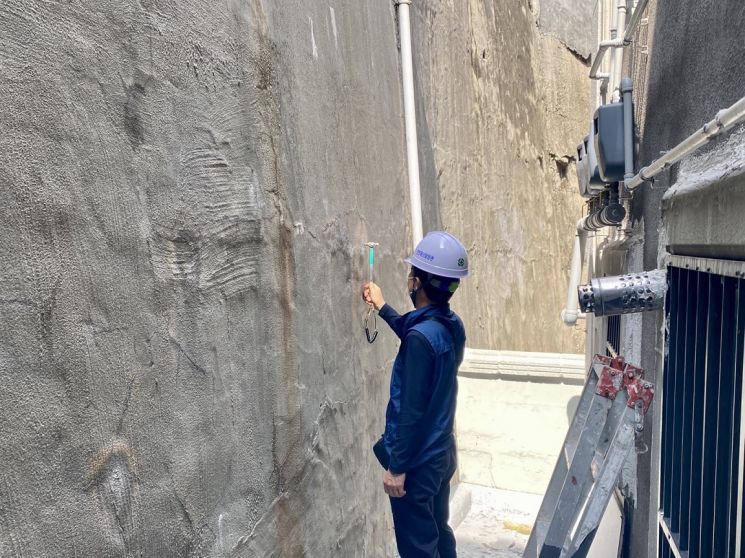
Dongjak-gu (Mayor Lee Chang-woo) announced that from June 2, it will conduct special safety inspections for facilities closely related to residents’ lives and safety-vulnerable facilities for three weeks in preparation for the rainy season and typhoons.
With the lifting of COVID-19 social distancing and a decrease in the scale of the outbreak leading to increased outdoor activities, the district will conduct safety inspections on five categories of frequently used life-related facilities: sports, culture, social welfare, education, and traditional markets.
The inspections will consider the characteristics of each facility, including safety management of sports facilities, securing safety and auxiliary equipment in welfare facilities, removing hazards such as drainage ditches along hiking trails and forests, and fire and electrical safety inspections.
Additionally, inspections will be conducted on safety-vulnerable facilities such as old and dangerous buildings, construction sites, steep slopes, and residential area fences to prepare for natural disasters like the summer rainy season and typhoons. Joint inspections with external experts will focus on checking for subsidence and cracks in facilities, safety standards for tower cranes at construction sites, reinforcing and maintaining temporary fences and falling object prevention nets against strong winds.
In particular, 183 vulnerable facilities in redevelopment areas within the district will be thoroughly inspected for cracks, deformation, and other risk factors, and countermeasures will be prepared.
Minor issues that can be addressed on-site will be corrected immediately, while facilities with high disaster risk will receive appropriate emergency measures to prevent accidents, followed by rapid dissemination of risk information and necessary actions such as usage bans or restrictions, with continuous follow-up management.
Each community service center will strengthen patrol activities to remove hazards, focusing on areas frequently used by residents.
Moreover, since last month, the district has established the 2022 Flood and Wind Disaster Safety Management Plan, conducting inspections and on-site training for safety-vulnerable facilities such as rivers, disaster prevention facilities, and flood-prone areas, aiming to minimize residents’ inconvenience and damage and create a safe Dongjak.
Choi Dal-soo, Safety and Disaster Officer, said, “We will do our best to prevent safety accidents through thorough management and inspections so that residents can enjoy their daily lives in a safe and pleasant environment.”
© The Asia Business Daily(www.asiae.co.kr). All rights reserved.



















