Adherence to Prevention Guidelines Urged, Including Cooking Shellfish Thoroughly and Avoiding Contact with Seawater When Having Wounds
[Gurye=Asia Economy Honam Reporting Headquarters, Reporter Yuk Miseok] Gurye-gun, Jeollanam-do, urged compliance with prevention guidelines for waterborne and foodborne infectious diseases, as high temperature and humidity in summer promote bacterial growth and increased outdoor activities lead to concentrated outbreaks of these diseases.
Waterborne and foodborne infectious diseases are illnesses caused by consuming water or food contaminated with pathogenic microorganisms, resulting in gastrointestinal symptoms such as diarrhea, abdominal pain, and vomiting. These include typhoid fever, bacterial dysentery, enterohemorrhagic Escherichia coli infection, and Vibrio sepsis.
In particular, Vibrio sepsis is mainly contracted through consumption of seafood or contact with seawater when there are skin wounds.
It is a Class 3 infectious disease that primarily affects high-risk groups with underlying conditions such as chronic liver disease, diabetes, and alcoholism, as well as immunocompromised individuals, with a fatality rate exceeding 30%, requiring special attention to infection prevention.
With the easing of social distancing, increased group meals and communal living may lead to more outbreaks in facilities such as schools and nursing hospitals, necessitating stricter hygiene management in group facilities.
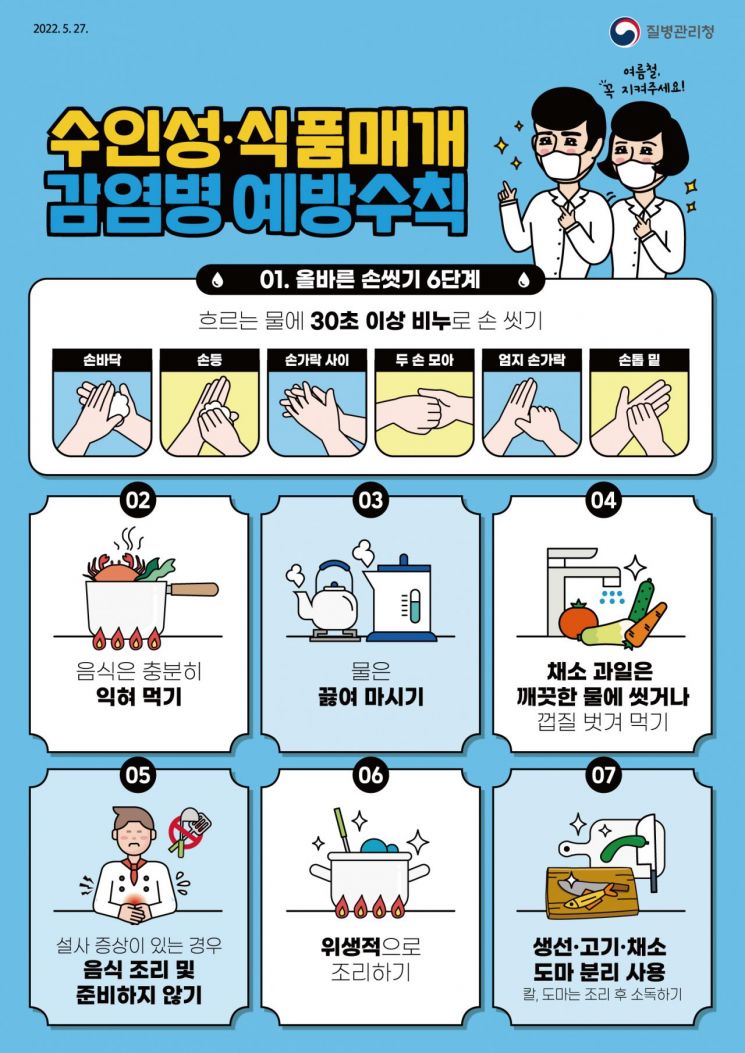
Prevention guidelines include ▲ washing hands with soap under running water for more than 30 seconds ▲ boiling water before drinking ▲ hygienically preparing and thoroughly cooking food (heating seafood to above 85℃) ▲ disinfecting and washing cutting boards and knives under running tap water ▲ washing vegetables and fruits in clean water and peeling them before eating ▲ refraining from cooking if experiencing diarrhea or having hand wounds ▲ avoiding contact with seawater if having skin wounds.
A health center official said, “Although the risk of waterborne and foodborne infectious diseases is high in summer, they can be sufficiently prevented with a little caution. It is important to maintain personal hygiene by frequently washing hands, consume safe water and food, and if chills or fever occur after eating, visit a specialized medical institution promptly for treatment.”
Gurye=Asia Economy Honam Reporting Headquarters, Reporter Yuk Miseok hss79@asiae.co.kr
© The Asia Business Daily(www.asiae.co.kr). All rights reserved.

















