Ingredients Containing Potassium, Calcium, and Magnesium Help Sodium Excretion
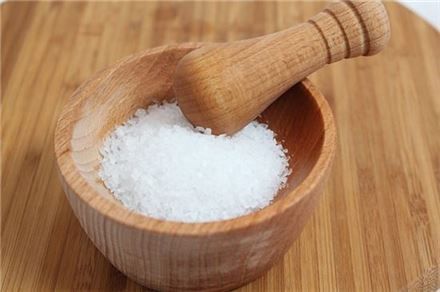
[Asia Economy Reporter Kim Young-won] Sodium, which provides a salty taste, is an essential element for the body, but excessive intake should be avoided. Excessive sodium consumption can lead to high blood pressure as well as increase the risk of cerebrovascular diseases and heart diseases that can result in death.
According to the 2020 "Dietary Reference Intakes for Koreans" by the Ministry of Health and Welfare, the average daily sodium intake of Koreans is 3,255 mg, which is about twice the adequate intake of 1,500 mg for adults.
Generally, people think that eating less salty food reduces sodium intake, but it is possible to consume sodium unknowingly even when eating blandly. This is because some processed salts on the market contain chemical seasonings to reduce the salty taste. Also, the sodium content in food additives (MSG) in processed foods is not labeled. Therefore, the actual sodium intake is higher than the labeled amount.
To reduce sodium intake, the first step is to change cooking methods. When preparing convenience foods, it is advisable to adjust the amount of seasoning included by default. For processed ham products, briefly blanching them in boiling water before cooking can reduce sodium content.
Additionally, using spices such as onions, herbs, and garlic when cooking can reduce the need for salt. Strongly flavored vegetables or fruits can also be used. Vegetables like crown daisy (ssukgat), water dropwort (minari), bell peppers, carrots, parsley, celery, and perilla leaves have strong aromas that help reduce the blandness of food. Since salty taste is less noticeable when food is hot, it is better to season just before eating.
Using individual plates when eating is a way to reduce sodium intake. For soups, it is recommended to serve the broth in a personal bowl and mainly eat the solid ingredients. For dipping sauces like salted fermented seafood (jeotgal) or ssamjang, it is better to consume only half the amount.
Consuming ingredients that help excrete sodium can also be beneficial. Potassium, calcium, and magnesium help eliminate sodium. Ingredients rich in potassium include burdock root, sweet potato shoots, lotus root, tomatoes, and potatoes. Especially when potatoes are used in soup dishes, their starch makes the broth thick and rich, allowing less salt to be used.
© The Asia Business Daily(www.asiae.co.kr). All rights reserved.
















