"Concerns About Additional Infection"
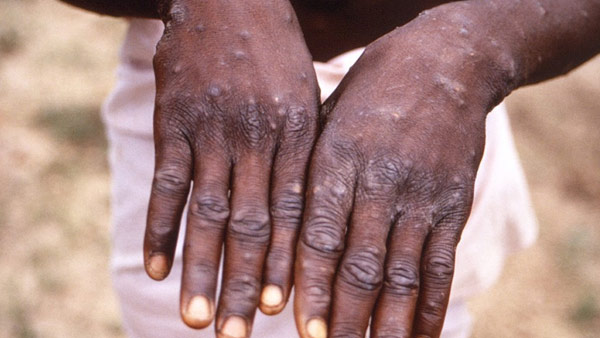
[Asia Economy Reporter Na Yeeun] The World Health Organization (WHO) has raised the risk level of monkeypox infection to level 2, classified as 'moderate risk.'
According to the WHO's "Report on Monkeypox Outbreaks in Non-Endemic Countries" released on the 29th (local time), as of the 26th of this month, among the 194 WHO member countries, a total of 257 confirmed cases and 120 suspected cases were reported in 23 non-endemic countries for monkeypox.
WHO assessed the infectious disease risk level of monkeypox as level 2, 'moderate risk,' out of a total of 4 levels. The WHO risk classification consists of five levels: ▲Level 0 Very Low Risk ▲Level 1 Low Risk ▲Level 2 Moderate Risk ▲Level 3 High Risk ▲Level 4 Very High Risk.
Level 1 indicates no or low risk of infection for individuals and regions; Level 2 indicates a moderate risk of individual infection and low regional infection risk; Level 3 indicates a high risk of individual infection and low regional infection risk; Level 4 indicates a high risk of both individual and regional infection.
The current outbreak is classified as moderate risk because it is the first spread in non-endemic regions such as Europe, rather than in Africa where monkeypox is endemic.
WHO stated, "The sudden increase in infections in areas other than the usual outbreak regions suggests that transmission has been occurring undetected for several weeks." Accordingly, more confirmed cases are expected to emerge.
WHO also reported, "A significant number of infected individuals are reporting only 'relatively mild' symptoms, such as swollen lymph nodes and lesions around the mouth, genitals, anus, or inside the mouth."
However, WHO urged, "Although the current risk to the general public appears low, immediate measures by countries are necessary to control further spread among high-risk groups and to prevent and mitigate transmission among the general population, as the situation could change."
Monkeypox, known as an endemic disease in Africa, was first detected in London, UK, on the 7th, and has since been found in various Western countries including the United States, Canada, Australia, Italy, and Sweden. The incubation period is usually 1 to 2 weeks, after which symptoms similar to the flu appear, such as fever, headache, muscle pain, back pain, chills, and fatigue.
© The Asia Business Daily(www.asiae.co.kr). All rights reserved.

















