Smoking → Addiction, Quitting Smoking → Treatment, Importance of Awareness Improvement ... Encouragement to Participate in Smoking Cessation Treatment Programs
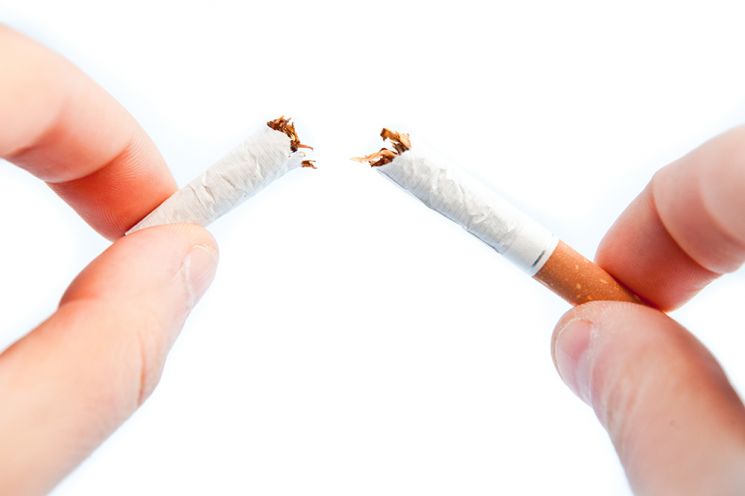
[Asia Economy Yeongnam Reporting Headquarters Reporter Dongguk Lee] May 31 is designated as "World No Tobacco Day" by the World Health Organization (WHO). This day has been established since 1987 to encourage tobacco-free environments and promote the prevention of diseases caused by smoking.
Tobacco, which became known worldwide through Columbus in 1492, saw a surge in smokers with the increase in tobacco manufacturing in the 20th century, following snuff tobacco in the 18th century and cigars in the 19th century. By the early 21st century, it is known that one-third of adults worldwide smoke.
In South Korea, according to the National Health and Nutrition Examination Survey, the smoking rate in 2020 was 20.6%, with a significant gender gap: 34.0% for men and 6.6% for women.
When smoking, various chemicals including nicotine are absorbed into the body, raising blood pressure and interfering with the normal oxygen supply in the blood, increasing the risk of cardiovascular and cerebrovascular diseases. Additionally, 90% of lung cancer cases are caused by smoking.
Globally, as studies on deaths and risks caused by tobacco are published and the aging population increases the desire for healthy aging, the number of people who decide to quit smoking and attempt to do so is growing as much as the smoking population. However, it is very difficult to find someone around who has successfully quit smoking.
The difficulty in quitting smoking is due to nicotine withdrawal symptoms. Nicotine affects the endocrine system, nervous system, brain, energy metabolism, and the entire body. When quitting smoking, symptoms such as cough, thirst, phlegm, headache, irritability, pharyngitis, anxiety, insomnia, increased appetite, concentration disorders, and depression appear due to the lack of nicotine supply. These symptoms peak within a week after quitting and can last from 2 to 4 weeks or even several months depending on the individual.
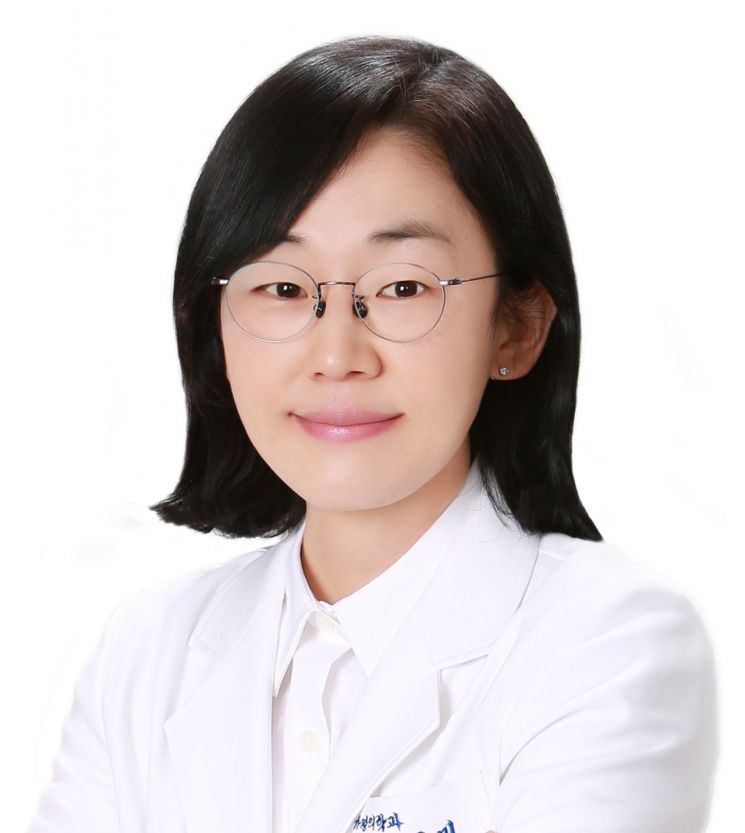
Kim Yun-mi, Head of the Health Screening Center at Daedong Hospital (Family Medicine Specialist), said, "Quitting smoking quickly eliminates bad odors from the mouth, hair, and clothes, removes staining on teeth and fingers, restores the sense of smell, improves the taste of food, and reduces shortness of breath during daily activities. In the long term, quitting smoking significantly reduces the incidence of various diseases including cancer, providing great health benefits." She advised, "For a healthy life without tobacco, it is important to recognize that smoking is an addiction and quitting is a treatment. It is crucial to learn and practice coping methods in advance to overcome various withdrawal symptoms."
After quitting smoking, feelings of depression, nervousness, anxiety, headaches, and decreased concentration are common but usually disappear within a few days. When quitting, it is good to take time to relax and relieve tension through deep breathing. Taking walks and exercising in fresh air or recalling pleasant and peaceful experiences can be helpful.
As the chemicals that constantly affected the mouth disappear and the body recovers, symptoms such as thirst, cough, throat, and oral pain may occur, so drinking plenty of water and chewing gum can help. If digestion is poor, it is advisable to avoid sweet, spicy foods and caffeine-rich drinks as much as possible, consume foods high in fiber, and if feeling hungry frequently, choose low-calorie snacks or drinks rather than suppressing the hunger.
If quitting smoking alone is difficult, it is recommended to seek help from a nearby public health center or medical institution's smoking cessation treatment program.
The Family Medicine Department at Daedong Hospital operates a smoking cessation treatment program in cooperation with the National Health Insurance Service. The program, which includes medication treatment such as smoking cessation drugs and nicotine replacement therapy along with medical consultations, lasts from 8 to a maximum of 12 weeks. Patients bear costs for up to two sessions, but subsequent treatments are completely free. Additionally, all costs paid by the patient are reimbursed upon completion of the program, making smoking cessation treatment financially accessible.
© The Asia Business Daily(www.asiae.co.kr). All rights reserved.


















