[Seoul District News] Gwanak-gu Selected as Best Institution for Rapid Execution in 2nd Half of 2021 with Active and Expansive Financial Management, Secures 100 Million KRW Special Grant... Seongdong-gu Chosen for Ministry of the Interior and Safety's Public Data Enterprise Matching Support Project... Jongno-gu Develops Low-Carbon Practice Mobile App Selected by Gonggam-e Gadeuk Contest... Guro-gu Achieves Results in Riverside Arboretum Project by Greening Two Areas of Anyangcheon
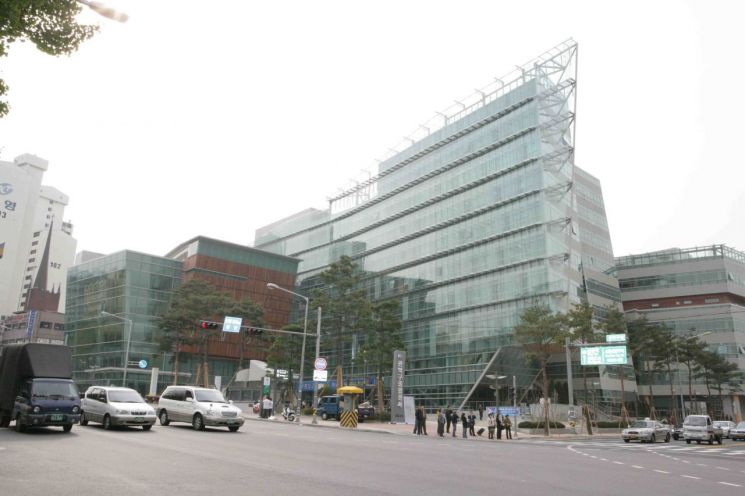
[Asia Economy Reporter Park Jong-il] Gwanak-gu is contributing to revitalizing the local economy, which has been depressed due to COVID-19, by actively and promptly executing its budget, thereby supporting local businesses and small merchants.
'Local Finance Rapid Execution' is a system designed to mitigate economic shocks during recessions through swift public sector financial expenditures and to enhance the efficiency of fiscal management.
The district was selected as the 'Best Institution' in the '2021 Second Half Rapid Execution Final Evaluation' conducted by the Ministry of the Interior and Safety among 243 local governments nationwide, securing a special grant of 100 million KRW.
Despite ongoing national crises last year and difficulties in project implementation, the district executed 1.0456 trillion KRW (86.1%) of its project budget, exceeding the Ministry of the Interior and Safety's target of 930.5 billion KRW by 9.5%.
This achievement is evaluated as the result of Gwanak-gu's strong will and proactive financial management aimed at recovering the local economy through active and expansive fiscal execution.
The district formed a 'Rapid Execution Promotion Team' led by the deputy mayor, establishing a continuous monitoring system for rapid local finance execution. It focused on executing budgets in consumption and investment sectors closely related to residents' lives and with significant economic ripple effects, proactively responding to revitalize the local economy.
Thanks to its strong determination and active financial management for economic recovery, the district has been selected as an 'Excellent Institution for Rapid Local Finance Execution' for four consecutive years. So far, it has secured a total of 549 million KRW in financial incentives, which have been used for projects benefiting residents, such as traditional market facility modernization and sewage pipeline maintenance.
This year, the district aims to execute 147.5 billion KRW, which is 60% of the rapid execution target amount of 245.9 billion KRW in the first half, taking the lead in revitalizing the local economy.
Additionally, it has established strategic guidelines such as prioritized emergency bidding, activation of advance payment execution, shortening contract review periods, and temporary expansion of negotiated contracts to improve execution efficiency.
In particular, in the first quarter of this year, the rapid execution in the 'consumption and investment sectors' achieved 75.5 billion KRW against a target of 58.6 billion KRW, exceeding the Ministry of the Interior and Safety's set execution goal by 16.9 billion KRW.
A district official said, "Being selected as the best institution for rapid execution is the result of all staff working together to revitalize the local economy despite the difficult economic conditions caused by COVID-19," adding, "We will continue to actively pursue rapid execution to become a catalyst for a vibrant local economy."
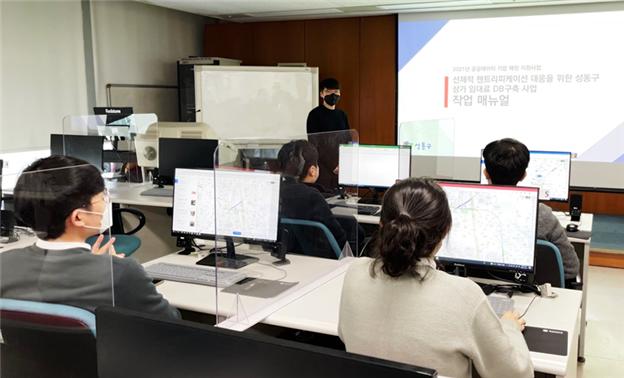
Seongdong-gu announced that two of its projects were selected in the Ministry of the Interior and Safety's '2022 Public Data Enterprise Matching Support Project.'
As part of the Digital New Deal, the district was selected for both the 'Children's School Route Safety Facilities' and 'Important Records of Building Permits' data construction projects, which will be carried out until November this year.
The 'Children's School Route Safety Facilities' data construction project targets comprehensive data on facilities established to ensure safe commuting routes. Through on-site inspections of traffic safety facilities near school routes of elementary and other educational institutions, the project plans to build over 4,000 data entries on child protection zones and children's traffic safety facilities.
The 'Important Records of Building Permits Data' construction project involves digitizing building permit-related materials and promoting data standardization. It aims to digitalize old handwritten ledgers and organize scattered data coherently. The district plans to digitize 150,000 pages of handwritten materials stored locally and build over 10,000 important data entries.
The 'Public Data Enterprise Matching Support Project' builds and opens data closely related to citizens' lives to improve public data quality and make it accessible to everyone. Last year, Seongdong-gu was selected for this project for the first time, receiving 200 million KRW in national funds to build big data on commercial rent, launching a public service for citizens earlier this year.
Since this data construction project will receive about 670 million KRW in national funding, the district plans to carry it out with great care. Together with 26 young interns, it will conduct thorough field surveys and data construction work. The related data will be built by November and uploaded to the Public Data Portal for full public access.
A district official said, "The data constructed through this project will be effective in advancing sophisticated traffic policies and significantly reducing processing times for building-related civil complaints," adding, "We will continue to strive to build and open public data necessary for residents' daily lives."
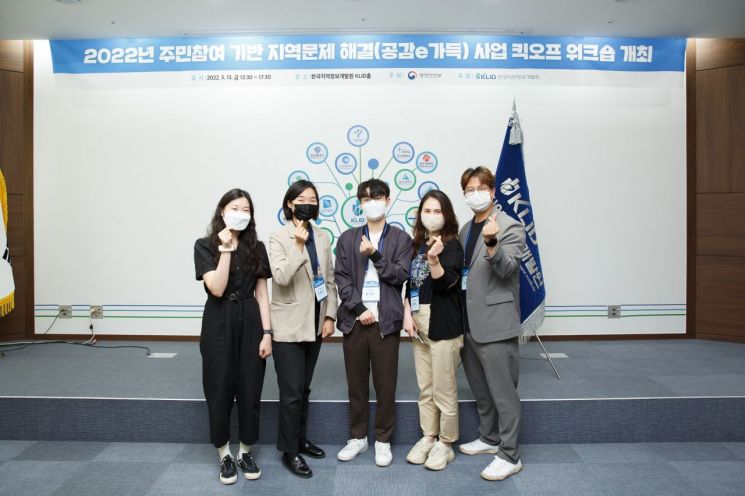
Jongno-gu has been selected for the 'Gonggam e-Gadeuk' contest project, overseen by the Ministry of the Interior and Safety and managed by the Korea Local Information Research & Development Institute.
This project focuses on solving various local issues such as contributing to carbon neutrality, reducing regional disparities, and ensuring citizen safety by utilizing digital technology based on resident participation.
With this selection, the district secured 110 million KRW in national funds and plans to develop a mobile application called 'Gather for Net Zero' by November this year, encouraging low-carbon lifestyle practices with residents and local community members.
The previously recruited 'Smart Carbon Solution Team' will participate throughout the process. Composed of residents, staff, and experts, they will engage in nine sessions of a living lab to explore solutions to social problems and exchange opinions.
Main activities of the living lab include sharing experiences and technologies related to low carbon. From the user's perspective, they will contribute ideas to verify and improve the performance of the 'Gather for Net Zero' app and participate in creating a prototype to evaluate its preliminary functions.
By the end of this year, once 'Gather for Net Zero' is launched, residents will be able to conveniently access dispersed low-carbon practice information through a single app.
Moreover, this platform is expected to become a hub for various resident participation challenges and community activities supporting carbon neutrality in daily life.
Last year, Jongno-gu also promoted various projects to improve quality of life and build a smart city through resident participation living labs. For example, to strengthen non-face-to-face welfare services, the district conducted the 'Breathing Life into AI (My Own Hodoli)' project, dressing care robots Hodoli and Hosuni, which were provided to low-income elderly residents.
Residents and related university students researched and identified improvements for seniors' use of smart devices, leading the living lab. The Smart City Division and Social Welfare Division collaborated, leveraging Jongno's local sewing industry by commissioning local companies to produce costumes, which were well received by the elderly.
A district official emphasized, "The Smart Carbon Solution Team's activities are meaningful as they move beyond simply setting carbon reduction goals and encouraging participation, fostering social consensus on environmental issues voiced by residents and involving them in the solution process," adding, "We will continue to integrate smart city values into district administration to resolve residents' various inconveniences."
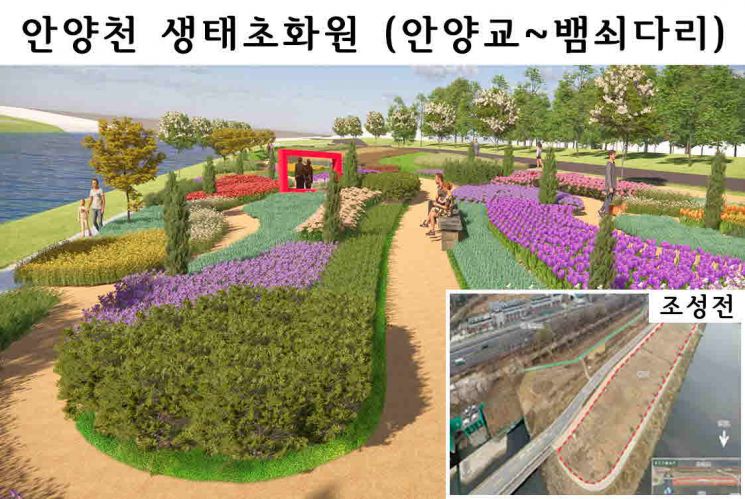
Guro-gu (Mayor Lee Sung) will see the fruition of the 'Riverside Arboretum Project' this year by adding green spaces at two locations along the Anyangcheon Stream.
The 'Riverside Arboretum Project' is a large-scale greening initiative covering a total length of 12.61 km and an area of 514,414㎡ along the district's three major streams: Anyangcheon, Mokgamcheon, and Dorimcheon, aiming to create natural resting spaces at the level of an arboretum.
Since establishing a comprehensive plan in 2018, Guro-gu has been pursuing the project with the goal of creating a green city balancing work and life.
As the final phase of the 'Riverside Arboretum Project,' this year will see development at two sections on the right bank of Anyangcheon. A 6,000㎡ ecological flower garden will be added to the right bank riverside between Anyanggyo Bridge and Baemsoidari Bridge (around 642-71 Guro-dong), and a 7,000㎡ greening project will be carried out on the embankment slope between Anyangcheolgyo (Guil Station) and Anyanggyo Bridge (around 642-76 Guro-dong).
The project began in 2019 with the creation of a 17,500㎡ ecological flower garden at the north end of Ogeumgyo Bridge on Anyangcheon. It included a rose garden, wetland, lawn yard, iris garden, flower garden, and rural experience center, along with convenience facilities such as solar-powered information boards, benches, and thatched pavilions. That same year, a rose garden and rose tunnel were built, and shade trees were planted along walking paths.
Continuous work has been carried out for river ecology restoration, greening, and additional facility maintenance.
In 2020, mist fountains were installed along main paths in the flower garden, and drought-resistant and beautiful flowering plants such as lavender and kochia were planted.
Last year, various flowering plants were planted and irrigation facilities installed along a 0.7 km embankment slope between Anyanggyo and Gwangmyeonggyo Bridges. The riverside walking paths frequently used by residents were also maintained. Along the left bank of Mokgamcheon from Mokgamgyo to Gwangmyeonggyo Bridges (2 km), flowering plants were planted, photo sculptures and murals were installed. Additionally, a deck road was constructed along a 0.8 km embankment path from Dorimcheon Station to Dorimgyo Bridge, creating a comfortable walking environment for users.
Guro-gu stated, "In a time when the value of nature has grown due to COVID-19, it is especially meaningful to increase green healing spaces for residents," adding, "We will do our best to ensure the smooth completion of the 'Riverside Arboretum' project."
Meanwhile, Guro-gu is also leading the Anyangcheon stream beautification and enhancement project, jointly pursued with eight local governments sharing Anyangcheon in Seoul (Geumcheon, Yeongdeungpo, Yangcheon) and Gyeonggi Province (Gwangmyeong, Anyang, Gunpo, Uiwang). In May last year, a cooperation agreement was signed at the Anyangcheon ecological flower garden to discuss joint management plans, aiming to advance from the arboretum project to establishing a national garden.
© The Asia Business Daily(www.asiae.co.kr). All rights reserved.
![Clutching a Stolen Dior Bag, Saying "I Hate Being Poor but Real"... The Grotesque Con of a "Human Knockoff" [Slate]](https://cwcontent.asiae.co.kr/asiaresize/183/2026021902243444107_1771435474.jpg)


















