Gyeonggi-do Tops Sales Volume...Chinese Account for 78.1% of Foreign Transactions
Followed by Incheon, Seoul, and Chungnam...Annual Transaction Numbers Also Rising
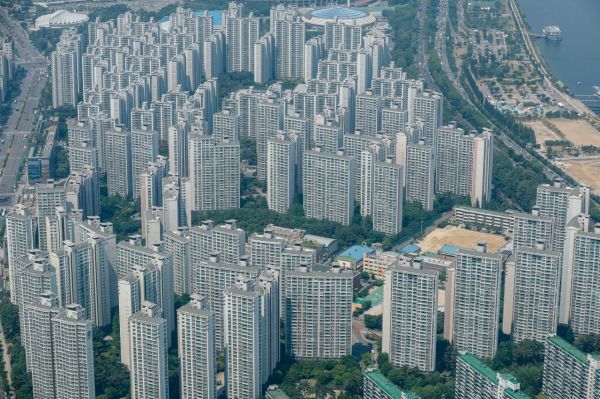
[Asia Economy Intern Reporter Kim Se-eun] It has been confirmed that nearly 7,000 buildings in South Korea were purchased by Chinese nationals last year.
On the 22nd, according to the 'Foreigners' Real Estate Purchase Status Data' submitted by the Legislative Research Office to Jeong Woo-taek, a member of the National Assembly's Industry, Trade, Energy, Small and Medium Enterprises Committee from the People Power Party, the total number of buildings such as houses purchased by Chinese nationals last year reached 6,640.
Gyeonggi-do had the highest number with 2,659 cases among the 17 provinces and cities nationwide. Last year, the total number of buildings purchased by foreigners in Gyeonggi-do was 3,404, with Chinese purchases accounting for 78.1%.
The number of purchases by Americans was 408, and other countries accounted for 337.
The number of buildings purchased by Chinese nationals in Gyeonggi-do has increased year by year. In 2018, there were 2,570 cases; in 2019, 2,776 cases; and in 2020, 3,518 cases were recorded.
In 2021, last year, purchases decreased to 2,659 cases, showing a downward trend, but this year, contracts of 144 in January, 137 in February, and 198 in March have been signed, indicating a strong possibility of returning to an upward trend.
Incheon ranked second, following Gyeonggi-do.
The number of building contracts by Chinese nationals in Incheon was 1,220. Seoul ranked third with 736 cases, and Chungnam ranked fourth with 693 cases.
Assemblyman Jeong said, "Not only Chinese nationals but also foreigners show an overall increasing trend in real estate purchases," adding, "It is necessary to examine whether there are any issues with foreigners purchasing apartments and Koreans buying overseas real estate and to prepare institutional improvement measures."
Currently, Chinese nationals are not subject to loan regulations such as Loan-to-Value ratio (LTV) and Debt Service Ratio (DSR) when purchasing houses. They can freely purchase by raising funds from financial institutions in China.
Meanwhile, the Yoon Suk-yeol administration has announced that it will push for legislation within the year to prevent the rapid increase in domestic housing speculation cases by foreigners.
© The Asia Business Daily(www.asiae.co.kr). All rights reserved.

















