[Asia Economy Reporter Moon Hyewon] With the full lifting of social distancing measures that had been in place for over two years, and rising expectations for increased outdoor activities and recovery in consumer sentiment during Family Month, the distribution industry is gearing up for a full-scale reopening. In particular, the franchise industry, which sought survival strategies by diversifying its business despite difficulties in franchise operations due to the spread of COVID-19, is busy conducting nationwide franchise briefing sessions in response to the anticipated improvement in the startup environment this year.
According to the industry on the 21st, the size of the domestic online food delivery market last year was 25.6783 trillion KRW. Since the COVID-19 pandemic, the industry has launched various models one after another, ranging from existing offline stores to unmanned stores and delivery-only stores, to find breakthroughs.
A notable startup model is the small-capital, small-scale stores focusing solely on takeout and delivery orders. This model's strength lies in reducing fixed operating costs with smaller floor space and lower rent compared to existing offline stores, contributing to stable store operations even during the COVID-19 situation.
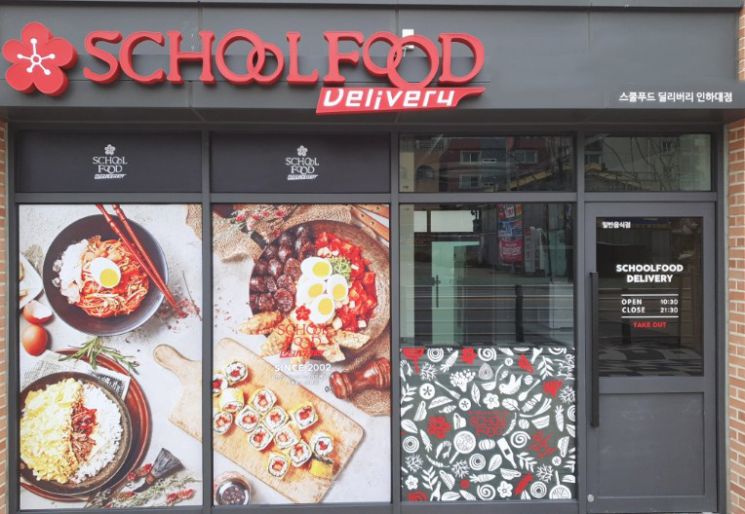
School Food, which has accumulated know-how by building a delivery operation system, targeted this startup trend and introduced a micro franchise model of about 9 pyeong (approx. 30 square meters) in March last year. The 'Delivery Mini' model, which is operationally efficient with small floor space and minimal staff, is capable of stable operation not only in the metropolitan area but also in provincial regions, and has been increasing the number of stores nationwide, including the newly opened Iksan branch in Jeonbuk last March.
The Delivery Mini model allows startups at an initial cost in the low 60 million KRW range, including membership fees, opening support fees, and interior costs. It also enhances operational efficiency by selling only the top-selling menu items that had high sales shares in existing School Food stores. In addition to the Delivery Mini, School Food has strengthened competitiveness with a total of three delivery models, including 'Delivery Slim' and 'Delivery Basic,' achieving a delivery store closure rate of 0.5% last year.
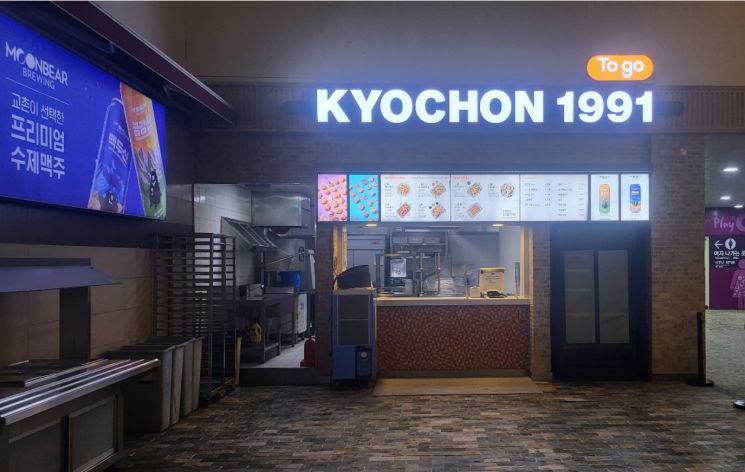
With growing expectations for outdoor activities and travel that were suppressed due to COVID-19, special-type tourist destination stores targeting special commercial districts and environments such as resorts and beaches have recently been opening one after another. Last month, Kyochon Chicken opened a To-go (special-type tourist destination store) at the 'Woongjin Playdoci' water park located in Bucheon, Gyeonggi Province.
To-go stores located in special commercial districts have the advantage of allowing customers to enjoy outdoor activities at swimming pools and beaches and have quick and convenient meals. Starting with the first opening near Hwajin Beach last year, a total of seven stores are currently operating. Along with this, Kyochon Chicken, actively pursuing new growth engines, announced that it is accelerating its craft beer business acquired in June last year and aims to grow it into a business model where franchisees and headquarters coexist harmoniously.
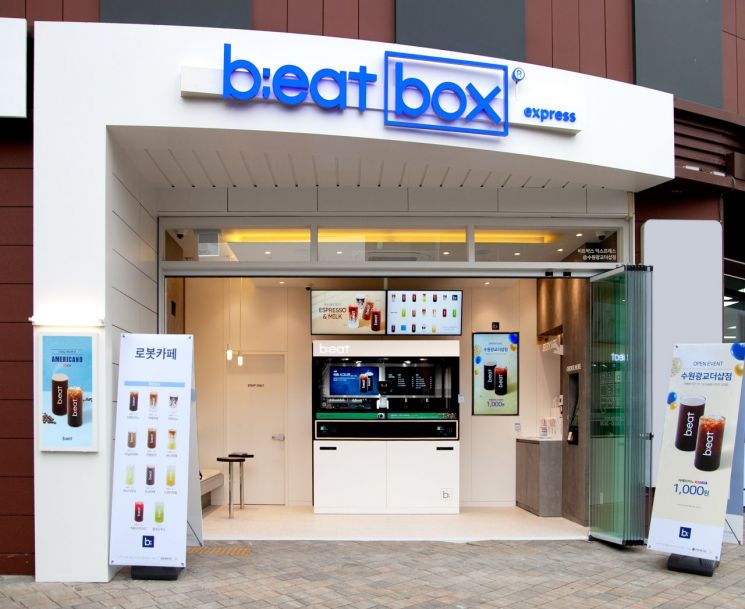
With the rise of contactless services due to COVID-19, robot cafes have also emerged. Danal's food tech specialized company Bit Corporation's unmanned robot cafe 'b;eat' is a futuristic cafe where robot baristas work 24 hours without staff, and the entire process from payment to pickup is unmanned. As a small-capital startup model, it has entered office and residential commercial districts nationwide, including Seoul, Gyeonggi, Daejeon, and Jeju, providing high-quality coffee.
An industry official said, “The startup market, which had many restrictions due to COVID-19, is expected to gain momentum with the reopening expectations regardless of industry. Franchise companies should also strive to enhance trust by providing systematic and accurate franchise information, including brand power targeting prospective entrepreneurs.”
© The Asia Business Daily(www.asiae.co.kr). All rights reserved.



















