Third Largest Importer of Chinese Electric Vehicles Domestically After the US and Germany
Invasion of Chinese Electric Vehicles
Second in Quantity After the US
Significant Increase in Electric Vehicle Imports of Commercial Vehicles Developed by Chinese Local Companies
South Korea Records Zero Exports to China This Year
[Asia Economy Reporter Choi Dae-yeol] While trade such as exports and imports is slowing down in major automobile-producing countries worldwide due to supply issues with automotive semiconductors, the situation is different for electric vehicles (EVs). In South Korea, overall automobile exports increased by 1% compared to the same period last year, and imports decreased by 1%, showing little significant change. This is because finished vehicle production is delayed due to a lack of parts.
Due to COVID-19, major cities in China were locked down or factories were halted, affecting many factories in South Korea and Japan. European manufacturers are experiencing parts supply difficulties as they cannot operate factories or face logistics disruptions following Russia's invasion of Ukraine.
Despite these adverse conditions, production and sales of electric vehicles are on the rise. This is based on the judgment that securing early leadership is crucial to dominate the future market. In South Korea, EV exports increased by 68%, and imports rose by more than 40%.
According to statistics from the Korea International Trade Association on the 20th, China ranks third in terms of import value of electric vehicles after the United States and Germany. In terms of quantity (number of units), China is second only to the United States. Over the past 4 to 5 years, China has risen to a level close to the United States, which has maintained the top spot for imported electric vehicles by a wide margin. From January to April, 2,781 electric vehicles were imported from the United States, while 2,753 were imported from China. Notably, in the last month alone, China imported 931 units, about twice as many as second-ranked Germany.
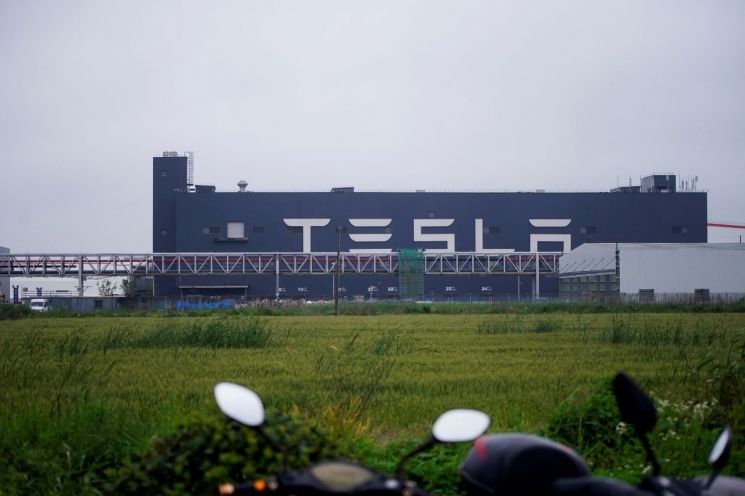
Although the production site is China, most of the passenger electric vehicles are from non-Chinese brands such as the American company Tesla or Polestar under Volvo, which is based in Europe. Imports of electric commercial vehicles made by local Chinese companies have also increased significantly. The small electric trucks from Dongfeng Sokon in China saw 346 new registrations last month alone, instantly ranking second in cumulative sales by model among imported commercial vehicles. On the other hand, until last year, South Korea exported a very small number of electric vehicles to China, but this year, no electric vehicles have been exported to China.
Since the early 2000s, China has emerged as the world's largest market through complete vehicle production and sales. Backed by this vast market, China attracted production plants through joint ventures with leading overseas brands. Foreign companies also needed to establish local production systems to expand their business in China, and the Chinese government and companies expected to learn technology and production capabilities from foreign automakers, aligning their mutual interests.
Nevertheless, it was not easy for Chinese automakers to catch up in a short time with the development and manufacturing know-how centered on internal combustion engines. This is why China's exports of internal combustion engine vehicles have not been significant.
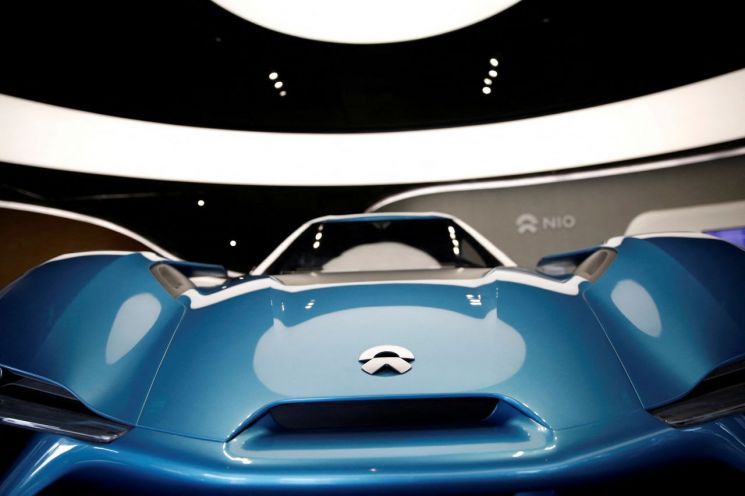
The situation is different for electric vehicles. The drive technology centered on motors is relatively simpler compared to engines, and battery technology, considered a core component of electric vehicles, has been developed early on. Companies like Xiaopeng, Li Xiang, and Nio, regarded as China's second-generation Tesla, are known to have considerable competitiveness not only in electric vehicles but also in software such as autonomous driving.
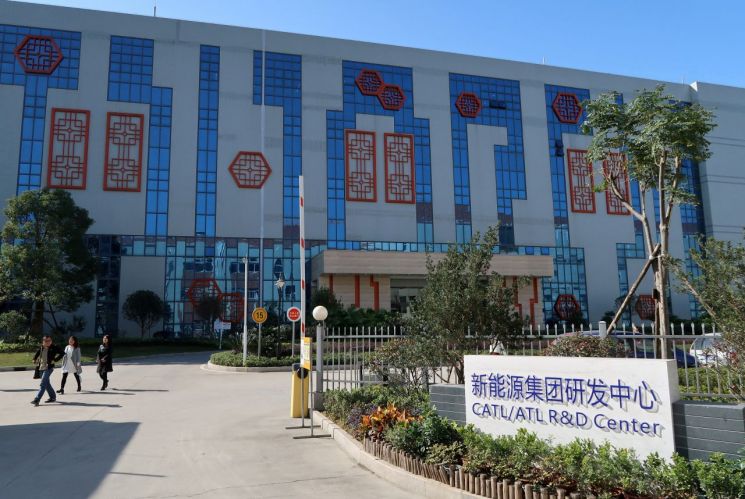
CATL, which has grown in size as domestic EV production and sales increased, has become the world's largest battery company. Based on its experience supplying domestic companies, CATL is expanding its supply to many overseas brands including Hyundai Motor, Kia, Tesla, BMW, and Volkswagen.
© The Asia Business Daily(www.asiae.co.kr). All rights reserved.



















