[Seoul District News] Gwanak-gu Health Center Resumes In-Person Rehabilitation Therapy from the 16th, Nutrition Management Project, Nangok Health Branch Disabled Dental Treatment Resumes... Jung-gu Expands Health Care Services in Line with Post-Corona Era... Gangdong-gu Neunggol Neighborhood Park Energy Maru Operating Normally... Dobong-gu Provides Visiting Children's Life Respect and Animal Protection Education... Eunpyeong-gu Dramatically Enhances Civil Service
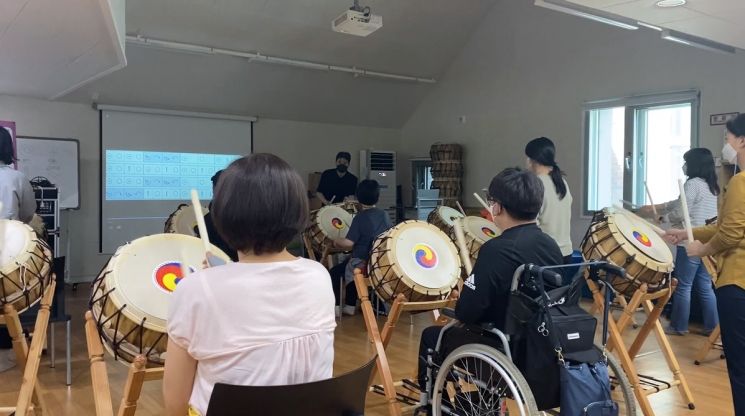
[Asia Economy Reporter Park Jong-il] Gwanak-gu announced that it will gradually resume operations at the Gwanak-gu Health Center (279-7 Bongcheon-ro), which had been temporarily closed due to COVID-19, starting with services that have a low risk of transmission.
Starting May 16, face-to-face services in the rehabilitation treatment room will fully resume, offering various programs such as ▲customized one-on-one rehabilitation treatment programs (exercise therapy, occupational therapy, etc.) ▲health promotion rehabilitation programs (music therapy programs, etc.) ▲home-visit rehabilitation to support the health management of people with disabilities.
To prevent the spread of COVID-19, the health center had been operating music therapy and group exercise rehabilitation programs online, lending rehabilitation tools to enable safer and more comfortable education at home.
In particular, for elderly households who found non-face-to-face education difficult, staff visited directly to provide educational guidance and encourage participation, minimizing gaps in rehabilitation treatment for people with disabilities.
Mr. Gu○○, who attended the face-to-face music therapy Nanta program after a long time, said with a bright smile, “I had been feeling depressed, but meeting again and attending class makes me feel lively and very happy.”
Dental treatment for general disabled persons at the Nanggok Health Branch will also resume from the 16th, and nutrition management services at the health center will fully resume from the 25th.
On the 25th, the adult low-sodium experience program, ‘Low-Sodium Practice Challenge,’ will begin. Using video conferencing programs, interactive online cooking practice education will be provided, including low-sodium recipes, ingredient theory education, and low-sodium cooking practice at home.
In the second half of the year, various programs will be operated for local residents, including nutritious baby food classes, lifestyle-friendly nutrition classes, low-sodium jang (fermented sauce) education using traditional fermented foods, adult low-sodium experience programs, children's taste formation education, and healthy eating practice campaigns.
A Gwanak-gu official said, “As many residents are physically and mentally exhausted due to the prolonged COVID-19 situation, we hope that the gradually starting programs will offer some comfort. We will continue to do our best to provide various programs for residents' health and safety while thoroughly preventing COVID-19.”
Jung-gu has resumed the health care services that had been suspended due to the COVID-19 spread easing. Moreover, it is attracting attention by planning to manage post-COVID-19 care in line with the post-COVID era.
Jung-gu Health Center announced on the 17th that it will fully operate health care services, which had been paused for about six months due to the COVID-19 spread, starting in May.
The health care service involves village doctors visiting the homes of high-risk residents registered with community care or Care SOS centers to check their condition. Village doctors focus on managing the health and nutritional status of the subjects and connect them to higher-level hospitals through the health care network hospital service if referral is necessary. Currently, Jung-gu has 13 village doctors, nurses, and specialists assigned.
Accordingly, since the 1st of this month, 17 subjects in the area have been visited to check their health and living environment and establish customized health management plans for continuous care. The health center plans to provide immediate visit services if additional subjects are referred by medical institutions, fire stations, and other related organizations.
Post-COVID-19 care through health care services will also begin. As the need for post-care of COVID-19 patients arises socially, the center will actively identify eligible residents and start care activities. A five-step process has been established: subject selection and registration - health status evaluation - service plan establishment - service provision - evaluation. Detailed services include registering COVID-19 discharged patients and long COVID patients needing care, confirming high-risk symptoms, evaluating and investigating health status, establishing customized health management plans, planning service types and schedules, assigning specialized personnel, and providing visit services.
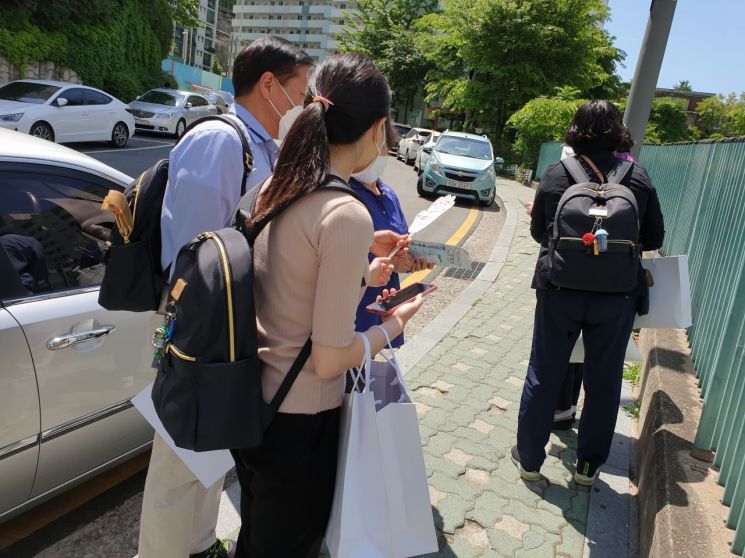
To promote the expansion and resumption of health care services, the health center recently visited Yaksu Heights Apartments, where many elderly live, to request bulletin board promotion.
In addition, promotion is being conducted by visiting senior centers, rest areas with many elderly residents, and subway stations with high foot traffic in the area.
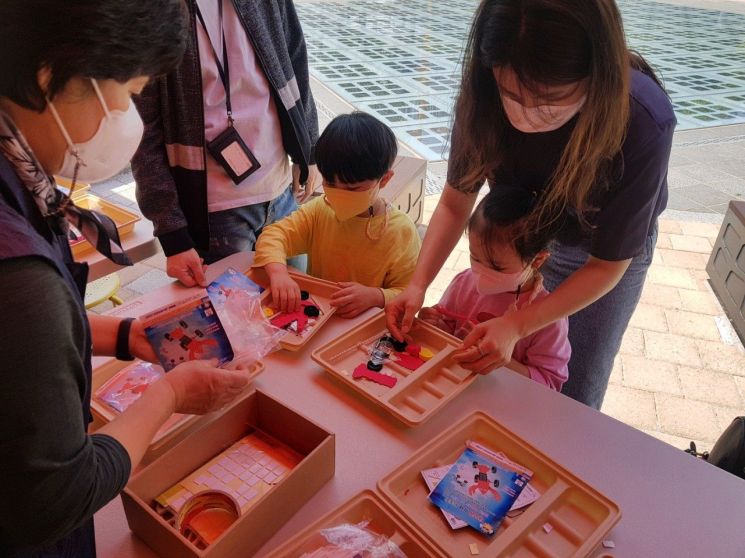
Gangdong-gu announced that ‘Neunggol Neighborhood Park Energy Maru,’ a site for climate change and renewable energy field experience education that had been temporarily suspended due to COVID-19 spread, has been operating normally since the 18th of last month.
Previously, the district established ‘Energy Maru’ to change residents’ awareness of sustainable eco-friendly energy and proactively respond to climate change.
‘Energy Maru’ relocated from Godeokcheon to Neunggol Neighborhood Park in 2019 and has been operating since. Since its opening in September 2016, about 21,000 people have visited, serving as a field- and community-centered climate change and energy experience education site and a hub institution.
At the five outdoor learning areas (solar, wind, water, power, bioenergy yards), visitors learn the principles of renewable energy generation and energy circulation through play facilities, enhancing understanding of energy and encouraging green lifestyle practices.
On weekdays, six programs such as ‘Sun Kingdom Chef,’ where participants make their own solar cookers, are operated, and on weekends, five programs including making mini solar cars and wind turbines for renewable energy experience are offered.
Especially, the newly introduced 2022 program ‘Energy Maru Festival in the Metaverse’ connects the online virtual world with the real Energy Maru, allowing virtual experiences such as introducing one’s avatar and sending support messages to Energy Maru online.
Other specialized programs include the Energy Maru sharing event, which transforms discarded waste into stylish benches, and the Energy Maru career exploration day camp, providing career exploration opportunities for youth interested in energy and climate change fields.
Energy Maru programs operate Monday through Saturday (closed on holidays) from 10 a.m. to 5 p.m. Participants include daycare centers, kindergartens, elementary and middle school students, and local residents. Program applications can be made by phone or on-site at Energy Maru.
A district official said, “We hope Energy Maru will provide an opportunity to think about climate change and renewable energy. We will continue to do our best to operate Neunggol Neighborhood Park Energy Maru by developing various programs.”
For more details, visit the Gangdong-gu Energy Maru website or contact Energy Maru directly.
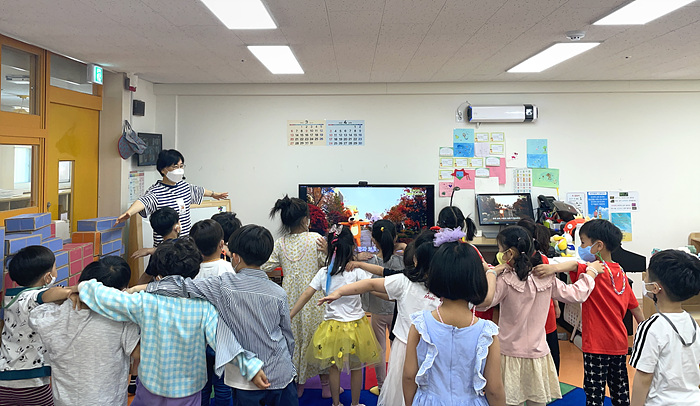
Dobong-gu (Mayor Lee Dong-jin) will conduct ‘Children’s Life Respect and Animal Protection Education’ a total of 80 times (about 1,600 children) for local kindergarten and daycare children (ages 6?7) to foster proper values regarding the importance of animals and respect for life.
For the education, the district began accepting applications from local kindergartens and daycare centers in April. The first half of the education will run from May to June, and the second half from September to November.
The education is conducted by the animal protection specialized education company ‘Korean Human and Animal Welfare Education Center (KOHAI),’ which visits kindergartens and daycare centers directly. The curriculum includes ▲watching animal protection videos ▲understanding the heart to care for animals ▲how to treat pets with care and responsibility ▲role-playing as a dog owner ▲OX games ▲Q&A, all tailored to children’s level.
Last year, Dobong-gu conducted a total of 80 sessions (1,240 children) for 28 daycare centers and 11 kindergartens.
Mayor Lee Dong-jin said, “Although the number of households with pets is increasing, understanding and education about pet protection and rights are insufficient. Through this education, children will learn from an early age that animals have feelings and how to care for them responsibly. We will continue to strive to provide more opportunities for animal protection education.”
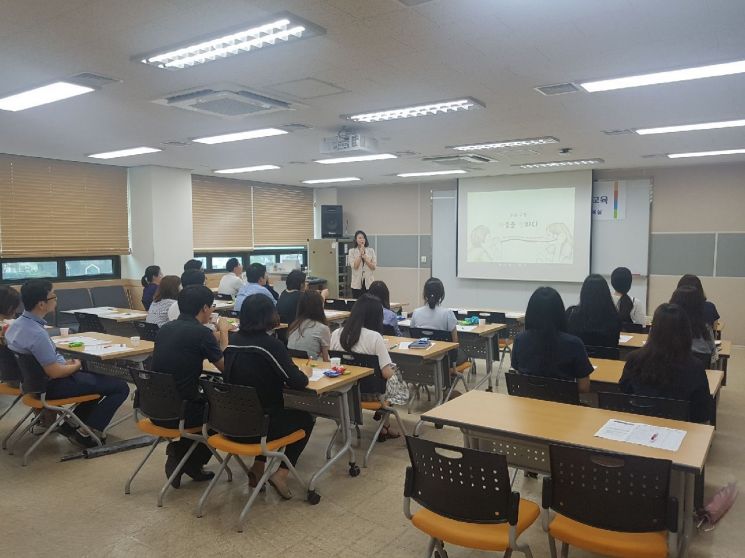
Eunpyeong-gu announced that it will conduct ‘Resident-Friendly Civil Service Response Training’ aimed at dramatically enhancing civil service for residents and frontline staff.
The district will provide six sessions of kindness training for all employees under the district starting at the end of this month, with quarterly training specifically for staff in civil service departments.
The training will be conducted by external professional instructors and focus on providing services that consider and empathize with the perspective of civil petitioners during civil service responses.
Main topics include ▲definition of customer satisfaction service terms ▲public officials’ mindset for customer-friendly service ▲telephone response skills ▲positive communication techniques ▲self-assessment of service competitiveness.
Additionally, the district will strengthen regular inspections through phone and in-person checks to monitor unfriendly behavior or passive handling during civil service responses. ‘Mystery shoppers,’ acting as customers, will evaluate civil service responses via phone and face-to-face across all departments and community centers.
Departments and individuals receiving excellent evaluations will be given incentives, and issues pointed out in evaluations will be analyzed to establish improvement measures to prevent recurrence. Separate training will be provided to departments and individuals who receive criticism, and the district plans to continue these efforts until friendly civil service responses are fully established.
An Eunpyeong-gu official said, “Due to COVID-19 over the past three years, civil service response training was mainly conducted online, and some training for newly hired staff was insufficient. This strengthened training is being implemented to address that. We will continue to do our best to provide friendly administrative services that residents can feel and be satisfied with.”
© The Asia Business Daily(www.asiae.co.kr). All rights reserved.
![Clutching a Stolen Dior Bag, Saying "I Hate Being Poor but Real"... The Grotesque Con of a "Human Knockoff" [Slate]](https://cwcontent.asiae.co.kr/asiaresize/183/2026021902243444107_1771435474.jpg)













