[Seoul District News] Gwanak-gu Establishes Customized Disaster Prevention Measures Focused on High Flood Risk Areas like Lowlands and Byeolbitnaerimcheon · Operates River Patrol Teams, Adds Byeolbitnaerimcheon Flood Control Facilities for Active Flood Management... Dongdaemun-gu Enhances Resident Convenience by Opening Public Data... Geumcheon-type Side Dish Support Voucher ‘Dahamkke Chanchanchan’ Recruits New Beneficiaries... Dongjak-gu Gifts Massage Chairs to 138 Senior Centers... Guro-gu Expands Installation of RFID Individual Weighers for Food Waste
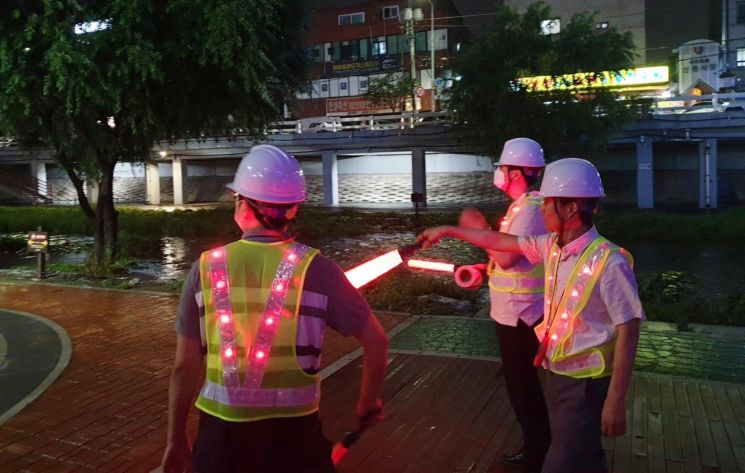
[Asia Economy Reporter Park Jong-il] Gwanak-gu has established a disaster safety countermeasure headquarters to protect residents' lives and property safely from flood damage caused by heavy rain and typhoons. The headquarters will operate for five months until mid-October, maintaining a 24-hour emergency duty system.
Until April, the district strengthened safety management by inspecting 387 flood-vulnerable facilities such as large construction sites, advertisements, and slope facilities, as well as major disaster prevention facilities like detention basins and rainwater pumping stations, and completed preemptive measures for any deficiencies to prevent casualties and property damage caused by typhoons and heavy rain.
Considering the geographical characteristics with many low-lying areas and the presence of Byeolbitnaerincheon Stream, the district is implementing various flood prevention projects, focusing on customized disaster prevention facilities in areas with high flood risk during concentrated heavy rain.
First, when sudden heavy rain or Level 1 emergency duty or higher (heavy rain advisory) is issued, all access roads to Byeolbitnaerincheon Stream are blocked to prevent safety accidents. A joint civil-government river patrol team operates to fully focus on accident prevention.
Last year, three additional remote barriers were installed at major access points of Byeolbitnaerincheon Stream, completing a total of 48 barriers at all entry and exit points. These are remotely controlled from the comprehensive situation room, enabling strict access control during nighttime or sudden heavy rain.
Additionally, 27 more CCTVs were installed on access roads and walking trails, operating a total of 50 CCTVs within Byeolbitnaerincheon Stream to strengthen real-time monitoring and ensure residents' safety.
Intensive management is also conducted for 138 households in flood-vulnerable areas such as low-lying underground houses. Weather information is provided by phone, and a care public official service visits the site during emergencies. The district plans to focus on accident prevention by removing illegally installed covers through a rainwater inlet management responsibility system by each neighborhood.
A district official stated, “Through additional installation and thorough inspection of Byeolbitnaerincheon flood prevention facilities, we will strive to prevent even a single safety accident during emergencies.” He added, “We will do our best to prevent casualties and property damage caused by floods through proactive response systems and active flood control administration.”
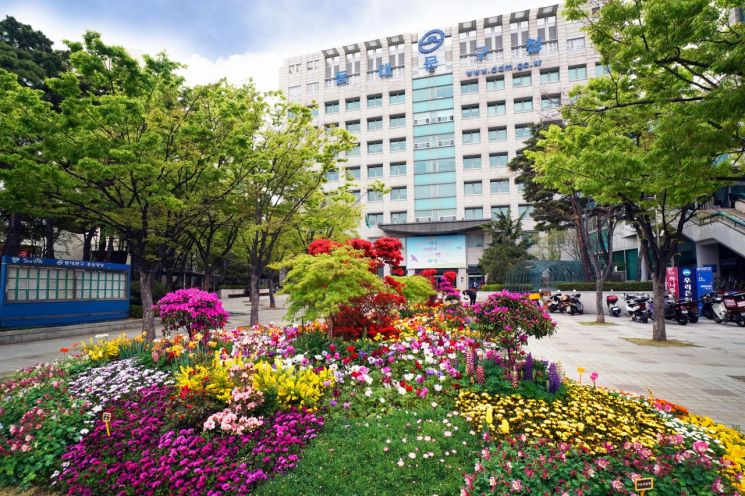
Dongdaemun-gu (Mayor Yoo Deok-yeol) secured a budget of up to 600 million KRW by having two out of three projects submitted to the ‘Public Data Enterprise Matching’ contest, part of the ‘Public Data New Deal Project’ hosted by the Ministry of the Interior and Safety, selected.
The ‘Public Data Enterprise Matching’ project is hosted by the Ministry of the Interior and Safety to lead the data economy and provide work experience to youth interns by accelerating public data opening and quality improvement in the post-COVID-19 era.
The district plans to digitize basic data of street trees and park trees planted to create an eco-friendly green city, ensuring systematic management and administrative efficiency, while establishing a foundation for public services to receive citizen inconvenience reports.
To this end, a dataset covering 34 items of street tree and tree data will be constructed, including growth information such as root diameter and planting intervals, as well as condition information and image data like sidewalk width and protective covers. The constructed dataset will be used for managing street tree damage such as pests, construction management, and maintenance, expecting budget savings.
Additionally, to establish a foundation for economic revitalization policies tailored to local characteristics, a detailed database will be built targeting traditional markets and university commercial districts, including sales items by store, Zero Pay usage, and safety facilities.
Furthermore, to build advanced administrative services in the post-COVID-19 era, the district plans to open alleyway commercial district road views not provided by traditional market electronic maps or private portal services.
The constructed and opened road view data can be used for various purposes such as on-site situation assessment and facility verification. The electronic map will also enhance convenience for young customers visiting traditional markets, aiming to revitalize traditional markets.
This project will proceed for about seven months from May, aiming to open data through the Public Data Portal by December this year. A district official said, “We will discover and open public data closely related to residents' lives to improve convenience and build a data-driven scientific administrative foundation.”
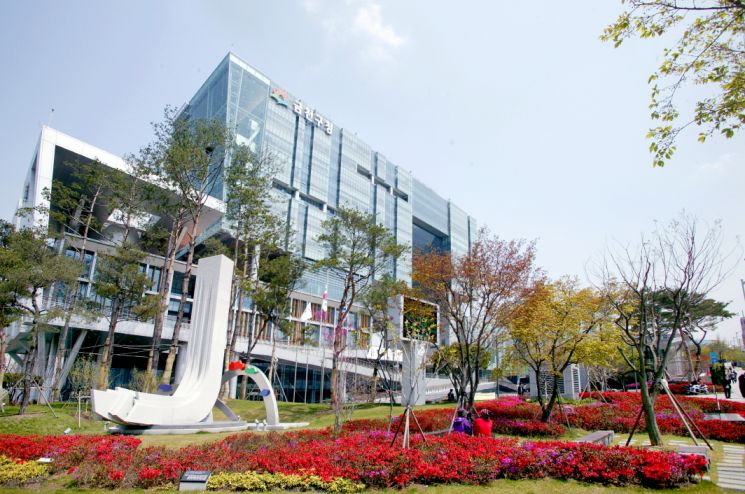
Geumcheon-gu is recruiting new beneficiaries for the side dish support voucher project ‘Together ChanChanChan.’
‘Together ChanChanChan’ is a special project unique to Geumcheon-gu that supports middle-aged single-person households facing livelihood difficulties. Beneficiaries can purchase side dishes up to 40,000 KRW per month at designated side dish stores to enjoy a healthy diet.
Since July last year, the project has supported 400 low-income (near-poverty class, customized benefit recipients, etc.) single-person households, increasing the number to 600 from September. Additionally, 20,000 KRW is provided for special meals during holidays.
Through this new recruitment, Geumcheon-gu will select 600 single-person households in need of side dishes for six months from July to December.
Eligibility includes near-poverty class, customized benefit recipients (basic livelihood security recipients), or emergency support recipients residing in Geumcheon-gu. Applications can be submitted at the local community service center from May 16 to June 10.
After the application deadline, beneficiaries will be selected based on scores considering age, income level, health status, and other criteria.
Kim Eun-joo, Director of Welfare Policy Division, said, “We hope that the ‘Together ChanChanChan’ project, a specialized program unique to our district, will help low-income single-person households settle confidently and actively in the community through healthy meals.”
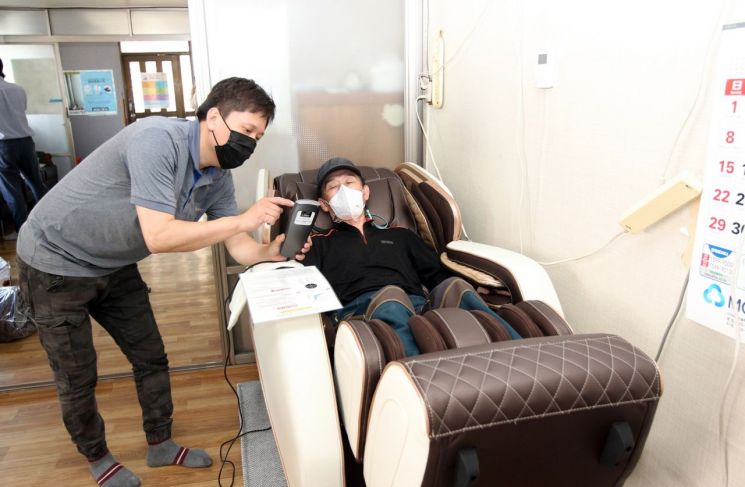
Dongjak-gu (Mayor Lee Chang-woo) announced on the 13th that it will operate the ‘Senior Citizens’ Health Management Support Project at Senior Centers’ starting this month to promote senior center usage and improve the health of elderly residents.
According to recent media reports, massage chairs ranked first as the most desired gift on special occasions such as Family Month and holidays.
Accordingly, as part of the ‘Senior Citizens’ Health Management Support Project at Senior Centers,’ the district will install one massage chair tailored to seniors' needs in each of the 138 senior centers in the area.
Installation began sequentially on the 9th, and after completion, the district will visit senior centers every 1-2 months to conduct pilot operations, product safety inspections, and provide usage caution education to prepare for potential safety accidents during use.
Additionally, health management services such as blood sugar level checks and foot massages to aid blood circulation will be provided to prevent diabetes.
One senior who received the service expressed gratitude, saying, “I think I will visit the senior center often to use the massage chair.” It is expected that all seniors using the chairs will relieve fatigue and improve the quality of rest to enjoy leisure comfortably.
The district resumed senior center operations in April after suspending them due to the spread of the COVID-19 Omicron variant.
Before resuming operations, the district completed thorough inspections including monthly disinfection and sterilization by professional companies, checking electricity and gas supply, air conditioning and refrigerator operation for summer, and inspecting leaks and mold.
Face-to-face programs such as informatization education, health walking at base senior centers, and bean sprout cultivation will be operated as part of the senior center activation project. Welfare facilities including comprehensive social welfare centers, daycare centers, and facilities for the disabled will also resume face-to-face activities such as hobby and leisure programs and psychological support.
Lee Sun-hee, Director of the Senior and Disabled Division, said, “Through revitalizing senior center operations, we hope to alleviate the depression and isolation experienced so far and help seniors regain happiness and healthy daily lives.”
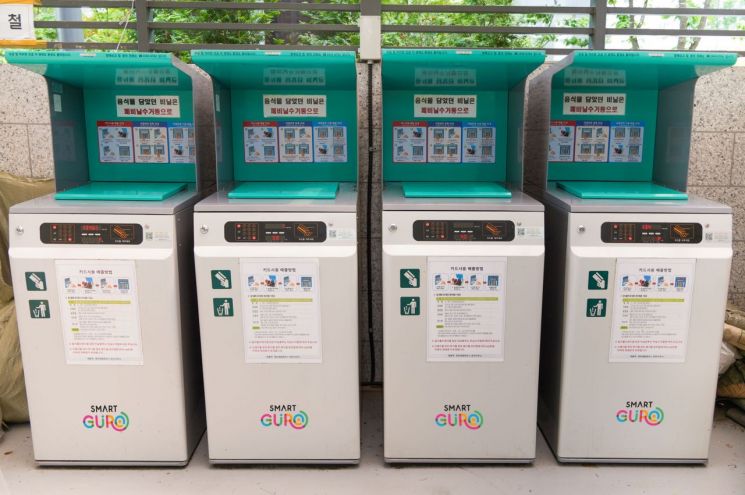
Guro-gu (Mayor Lee Sung) will additionally install 100 RFID individual food waste weighing devices in apartment complexes.
Guro-gu announced on the 13th, “To reduce food waste and create a pleasant residential environment, we will continue the project to install RFID individual food waste weighing devices in apartment complexes this year.”
Food waste disposal through RFID individual weighing devices measures the amount of food waste by using a dedicated card for each household when disposing of food waste, and charges a fee proportional to the amount as part of the management fee.
Since fees are charged according to the amount disposed, it effectively reduces food waste and improves aesthetics by using standardized dedicated collection containers.
Guro-gu started the RFID individual weighing device installation project in 2016 and currently operates a total of 524 devices in 70 apartment complexes with 37,576 households.
This year, the district plans to distribute 100 additional RFID individual weighing devices to apartment complexes with 140 or more households that have management entities. The district will fully support the purchase and installation costs of the devices.
Apartment complexes wishing to apply should submit the application form and neighborhood representative consent form by visiting the district office’s Cleaning Administration Division or by registered mail (arriving by the deadline) by the 20th.
The district will select apartment complexes considering installation areas and housing scale and notify applicants individually by the end of May. Detailed information on application documents and procedures can be found on the district office website.
A Guro-gu official said, “We plan to expand the RFID weighing device distribution project, which is highly effective in reducing food waste and improving disposal environments.” He added, “We hope for active interest and participation from many apartment complexes.”
© The Asia Business Daily(www.asiae.co.kr). All rights reserved.
![Clutching a Stolen Dior Bag, Saying "I Hate Being Poor but Real"... The Grotesque Con of a "Human Knockoff" [Slate]](https://cwcontent.asiae.co.kr/asiaresize/183/2026021902243444107_1771435474.jpg)


















