Price Surge Due to Ukraine Crisis
Traders Limited to 2 Items Per Person, Costco Limits 1 Item Per Day
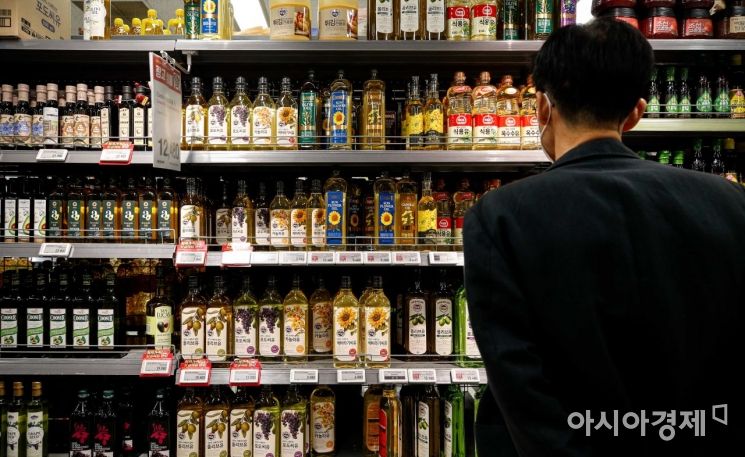
[Asia Economy Reporters Seungyoon Song, Eunmo Koo, Jinyoung Jeon] The global shortage of cooking oil supply is causing significant ripple effects domestically as well. Distribution channels are increasingly limiting the number of cooking oil purchases, making the 'cooking oil crisis' a reality. If supply instability prolongs, further price hikes in food, cosmetics, and detergents are expected to be inevitable.
According to industry sources on the 11th, domestic warehouse discount stores are consecutively restricting the number of cooking oil purchases. This is due to rising customer demand to stock up in advance amid anticipated price increases caused by the unstable supply situation.
Emart has limited cooking oil purchases to two per person at 20 Traders stores nationwide, while Costco restricts some cooking oil products to one per person per day at all its locations. Lotte Mart Max and others have not yet imposed specific purchase limits but are closely monitoring the situation.
This phenomenon is occurring simultaneously worldwide. Previously, large supermarkets in European countries such as the UK, Spain, Greece, Turkey, and Belgium also limited cooking oil purchases to 2-3 bottles per person.
Cooking oil prices, which had already been rising since the COVID-19 pandemic, began to surge sharply in February following Russia's invasion of Ukraine. As Ukraine, a major exporter of sunflower seed oil raw materials, faced production and export disruptions, prices of substitutes like soybean oil and palm oil also started to rise. Furthermore, Indonesia, the world's largest palm oil exporter, banned exports of crude palm oil and derivatives from the 28th of last month to stabilize its domestic market, pushing palm oil prices even higher and intensifying the cooking oil crisis. The Food and Agriculture Organization (FAO) reported that the cooking oil price index in March rose 23.2% from the previous month to 248.6.
Consumer prices for cooking oil in Korea are also on the rise. According to the Korea Consumer Agency's Chamgak price data, the average selling price of 'Ottogi 100% Soybean Oil (900ml)' in May was 4,916 won, up 27.5% from 3,855 won during the same period last year. During the same period, 'Haepyo Clear and Fresh Cooking Oil (900ml)' also showed an upward trend, rising from 4,215 won to 4,477 won.
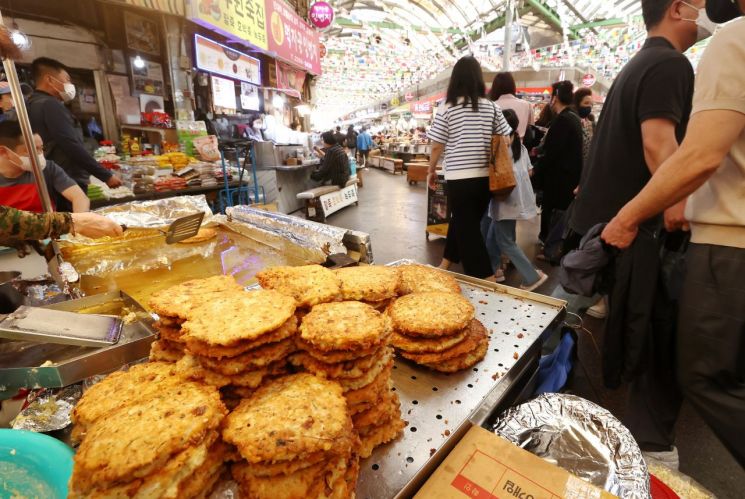
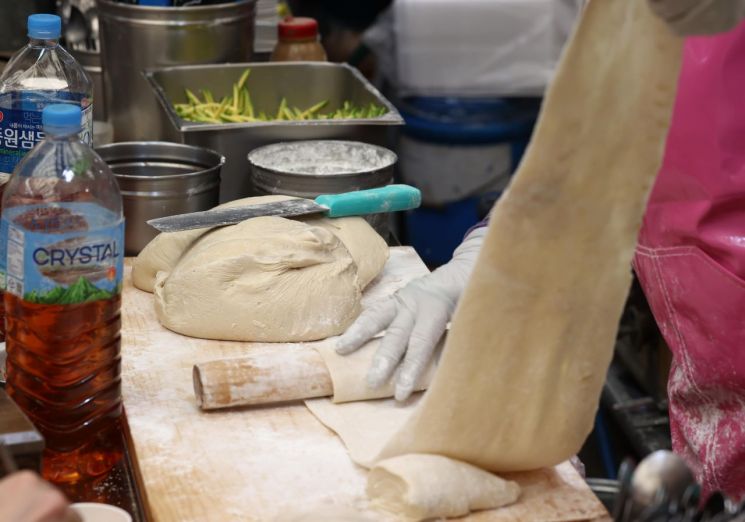
The rise in cooking oil prices is spreading beyond the cost of dining tables to the food service industry. The food service sector has been hit hardest by the cooking oil price increase, especially establishments selling fried foods such as bunsik (Korean snack foods) and chicken. The price of commercial cooking oil (18 liters) was in the low to mid-20,000 won range early last year but has now soared to between 55,000 and 58,000 won. Palm oil, widely used not only in food products like confectionery and bakery items but also in cosmetics and soaps, is expected to impact food manufacturing companies as well as cosmetics firms.
Most domestic food manufacturers have stockpiled several months' worth of supplies and primarily use Malaysian palm oil, so they currently do not foresee major issues. However, if this situation prolongs, damage will be unavoidable. Continued supply instability will inevitably increase demand for substitute Malaysian palm oil, leading to further price increases. Prolonged supply instability will ultimately push cooking oil prices up again.
Professor Donggeun Cho, Emeritus Professor of Economics at Myongji University, said, "Since this issue stems from the special circumstance of war, normalization is possible once the situation ends. However, it seems difficult to escape the overall price increase impact easily until this year, so there is no other option but to overcome it through substitutes or alternative sources."
© The Asia Business Daily(www.asiae.co.kr). All rights reserved.