Mushroom Soup Ramen, Kkogancho, Salad Noodle Tasting Review
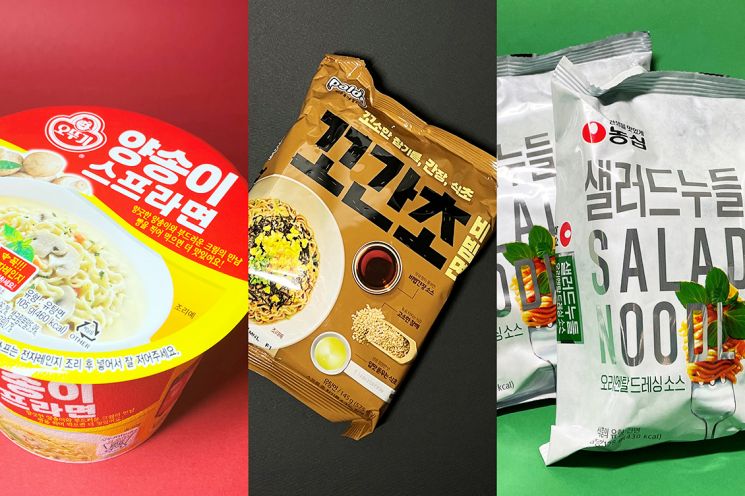
Although I am not the adventurous type, I always try to challenge myself with new foods. Especially when it comes to ramen, even knowing I’ll come back to Neoguri, I make sure to try any new product that comes out. Recently, I reviewed the very ramen that’s trending on SNS and can be found at convenience stores and supermarkets.
Mushroom Soup Ramen
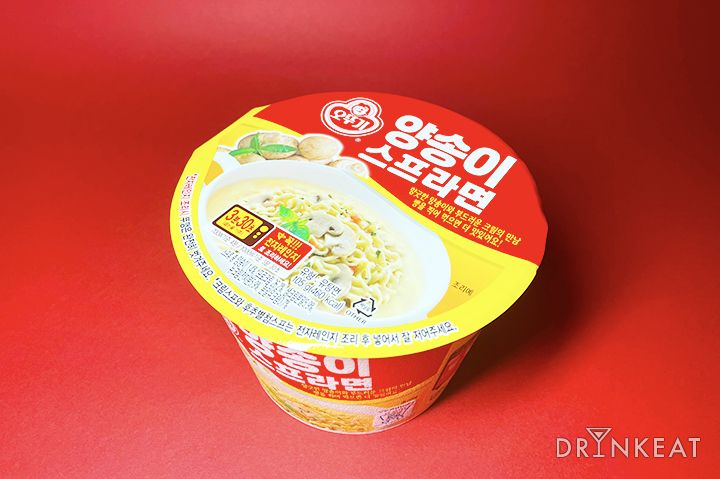
A unique product combining Ottogi soup with ramen, something many might have tried once as a child, has been released. It’s the ‘Corn Soup Ramen’ and ‘Mushroom Soup Ramen.’ Among the two, since I believe Ottogi soup’s true essence lies in the mushroom flavor, I chose the ‘Mushroom Soup Ramen.’ The package, which preserves the retro vibe associated with Ottogi soup, catches the eye.
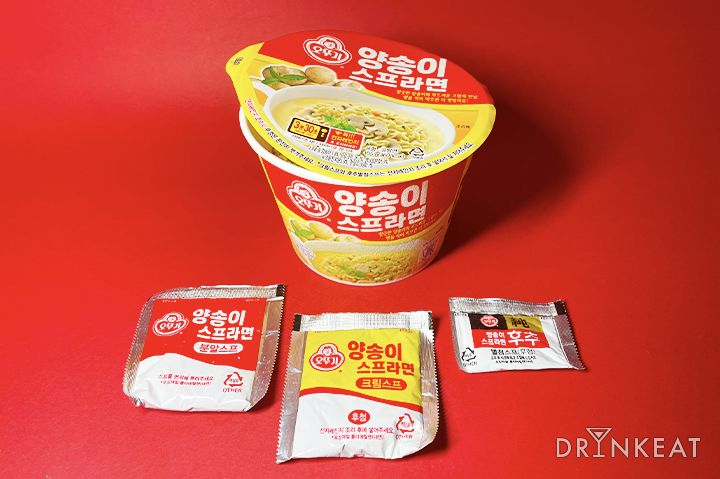
Along with the noodles, it contains dried mushroom flakes, powdered soup, cream soup, and pepper. Unlike other cup ramens where you just pour hot water and wait, this ramen requires pouring hot water and then cooking it in the microwave. The broth, made by mixing powdered soup, cream soup, and pepper, is thinner than Ottogi soup but thicker than regular ramen broth. It feels like a creamy carbonara with plenty of soup.
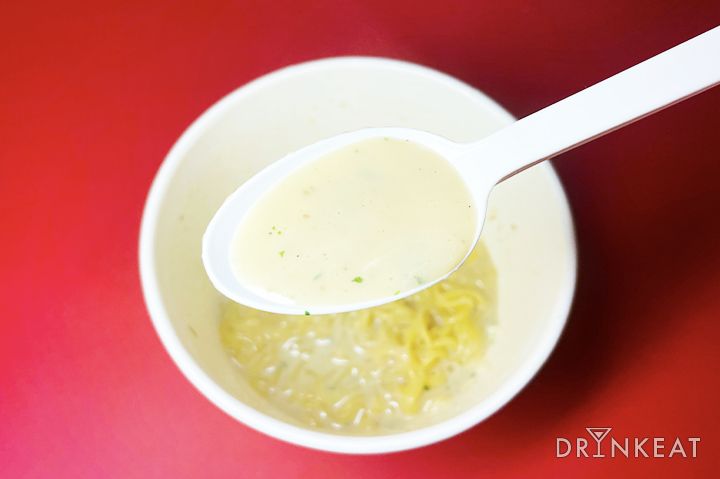
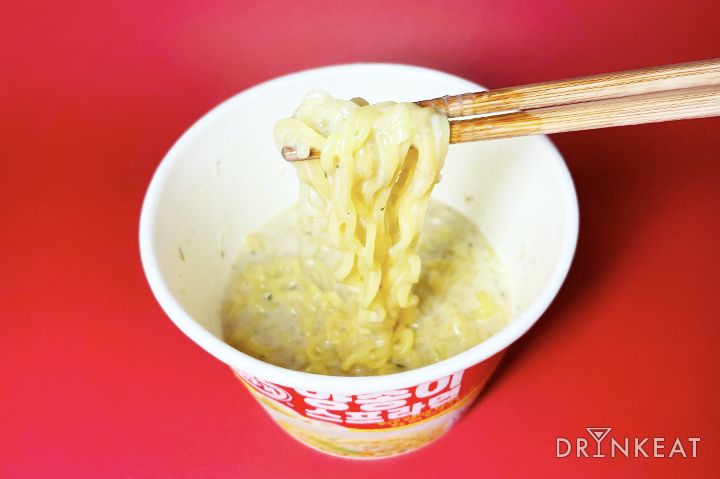
The taste is exactly as you’d imagine. It’s the flavor of eating ramen with mushroom soup. It’s a bit sweeter than the original Ottogi mushroom soup but not greasy thanks to the pepper flavor. The creamy taste blends well with the chewy ramen noodles without any discord. Although the broth is relatively thin for a soup, the seasoning is just right and the flavor is rich, making it pair well with bread. If you usually like to mix rice into soup, this ramen is a must-try.
Editor’s rating ★★★★☆
Kkoggancho
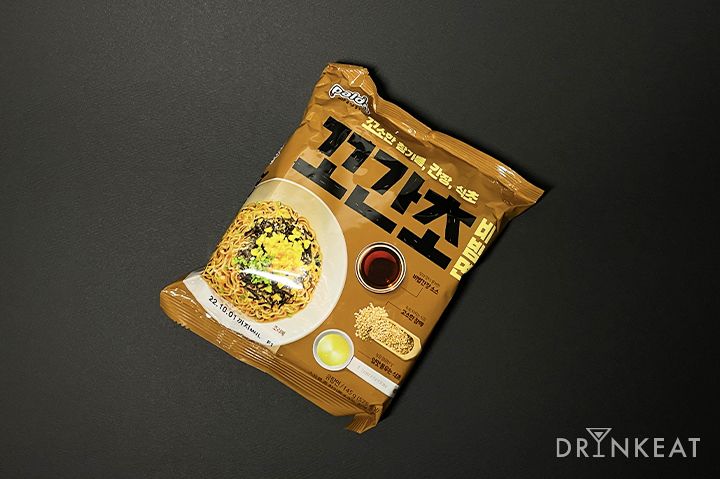
Paldo, the master of bibim noodles, has released a new style of bibim ramen. Unlike the spicy and tangy original Paldo bibim noodles, this one is non-spicy. It’s affectionately named ‘Kkoggancho,’ meaning it’s accompanied by ‘nutty’ sesame oil, soy sauce, and vinegar.
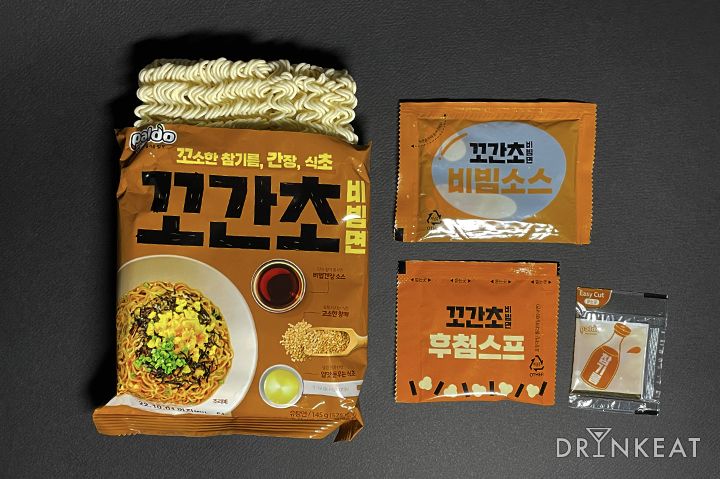
The package includes noodles and a separate sauce packet containing bibim sauce, sesame oil, seaweed flakes, and fried tofu flakes. The cooking method is not much different from other bibim noodles. After boiling the noodles, rinse them in cold water and then mix in the various sauces.
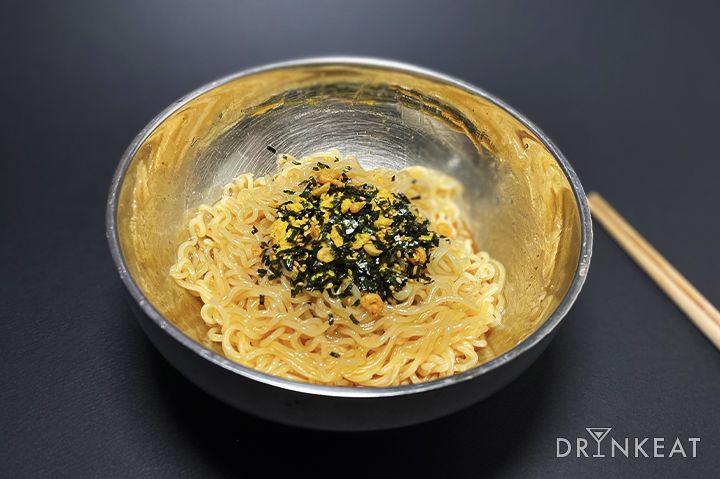
‘Kkoggancho,’ with the gentle aroma of ‘nutty’ sesame oil, tastes like soy sauce bibim noodles without garlic. The savory and salty flavors of sesame oil and soy sauce, combined with the tanginess of vinegar, stimulate the appetite. The crispy texture of the flakes adds an interesting touch. It feels slightly greasier than bibim noodles made with thin wheat noodles, so it’s less clean-tasting, which is a bit disappointing. However, it’s not bad for a quick meal during hot summer days. It’s especially recommended for children or those who can’t handle strong flavors.
Editor’s rating ★★★☆☆
Salad Noodle
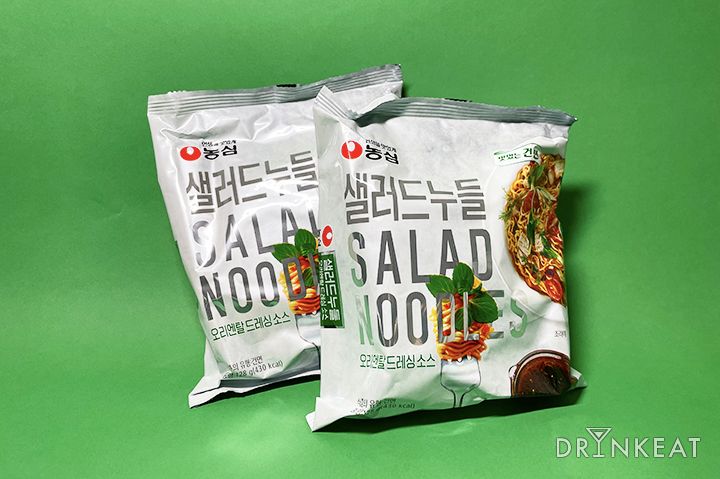
The last ramen to introduce is Nongshim’s ‘Salad Noodle.’ It’s a product where you mix ramen with oriental dressing sauce. True to its name, ‘Salad Noodle’ uses dried noodles instead of fried noodles. Also, unlike typical ramen, it contains cube chicken breast, dried cranberries, almonds, and small cabbage flakes.
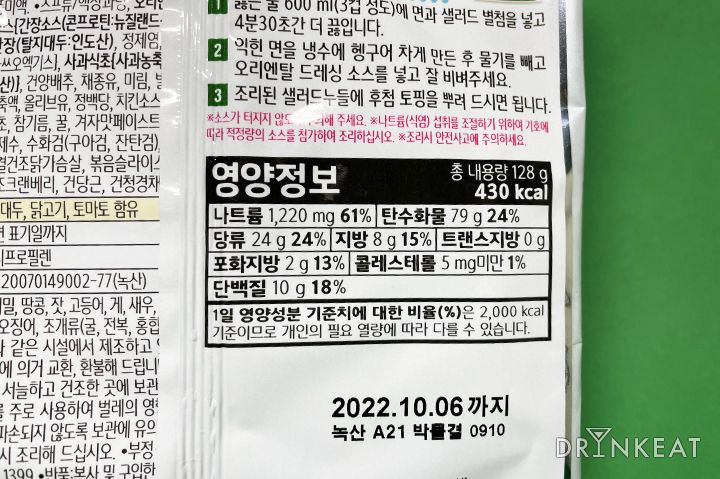
Despite the name ‘Salad Noodle,’ unfortunately, it’s not a food that helps with weight control. According to the nutrition facts, a 128g serving contains 430 kcal, 1,220 mg of sodium, and 24g of sugars. Compared to Paldo bibim noodles of similar weight, it has about 100 kcal less but contains 130 mg more sodium and 12g more sugars.
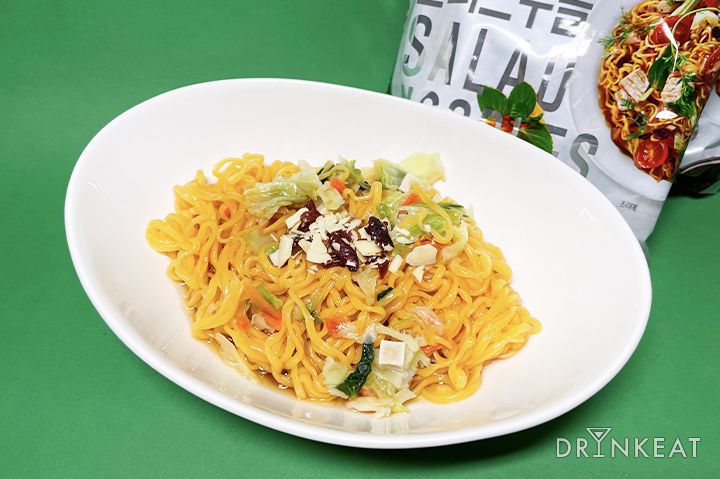
After boiling the noodles colored with tomato and paprika flakes, rinse them in cold water, then add the oriental sauce and the additional toppings to complete the dish. The taste is similar to cold pasta. The ramen and oriental sauce surprisingly blend well, giving a fresh and clean feeling as if you’re eating a salad. Adding cherry tomatoes, lettuce, or chicken breast would make it even more delicious.
Editor’s rating ★★★☆☆
Photo by Kim Bomi
© The Asia Business Daily(www.asiae.co.kr). All rights reserved.



















