Authorities Recommend 'Severe Case Prevention Measures'
Effectiveness Lasts Only 2-3 Months
New COVID Variant Emerging Rapidly
Current Vaccines Cannot Stop the Spread
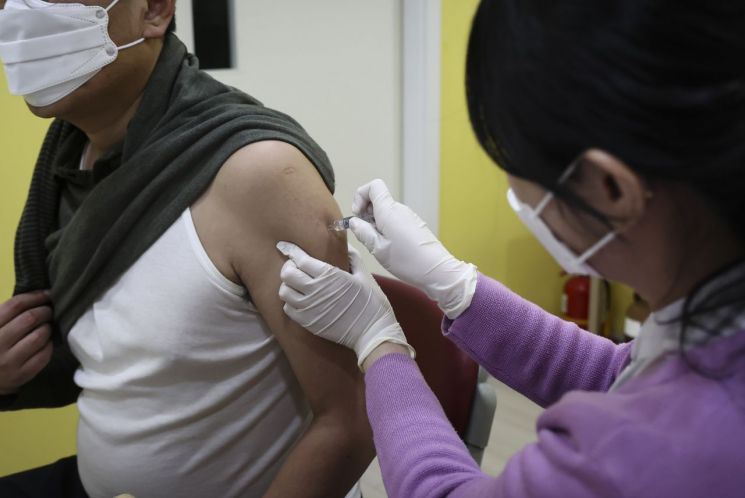
As the fourth dose of the COVID-19 vaccine begins for those aged 60 and over, experts' opinions on the effectiveness of the vaccination are divided. Health authorities strongly recommend the fourth dose as the only means to reduce severe illness and death among high-risk groups, but some raise concerns about the physical burden of frequent vaccinations and question whether it will be effective against the ongoing variants.
According to the COVID-19 Vaccination Response Promotion Team on the 14th, from this day forward, all citizens aged 60 and above (born before 1962) who have completed their third dose at least four months (120 days) ago are eligible to receive the fourth dose. The target population is estimated to be about 10.66 million as of the end of this month. The team stated, "The effectiveness of the third dose vaccine decreases over time, and considering uncertainties such as the Omicron surge and new variant outbreaks, we have decided to implement the fourth dose."
Infectious disease experts emphasize that vaccination is currently the only way to protect high-risk groups and urge the acceleration of the fourth dose. Recently, 85% of severe cases and 95% of deaths have been concentrated in those aged 60 and above, with more than 60% of deaths occurring in those aged 80 and above.
The prevention effect against severe illness and death through the fourth dose has been confirmed. Jung Eun-kyung, Director of the Korea Disease Control and Prevention Agency, explained, "A study by the National Institute of Infectious Diseases on 74 nursing hospital inpatients aged 58 to 94 showed that neutralizing antibody levels that disable the virus increased more than 18 times four weeks after the fourth dose compared to four months after the third dose." She added, "Research from Israel also showed that while infection prevention effectiveness decreases after eight weeks, the prevention of severe illness lasts up to six weeks."
The third dose vaccination, implemented since December last year, has begun to show a slight decline in effectiveness. Until November last year, the prevention effect against severe illness and death for those who received the third dose compared to unvaccinated individuals was 100%, but by the fifth week of last month, the prevention effect against severe illness dropped to 90.2?94.5%, and death prevention dropped to 90.5?92.4%.
Professor Lee Jae-gap of Hallym University Kangnam Sacred Heart Hospital said, "As the epidemic nears its end, damage accumulates among the elderly aged 60 and above and high-risk groups, and confirmed cases continue to rise in nursing hospitals and facilities, so the fourth dose is necessary." He added, "However, since the preventive effect lasts only 2 to 3 months and the severe illness prevention effect only returns to the original level, please understand it as a concept to prevent high-risk groups from becoming severely ill."
Given the rapid emergence of new variants of the coronavirus, there are also criticisms that the currently administered vaccines are less effective in preventing a large-scale outbreak. Professor Chun Eun-mi of the Respiratory Medicine Department at Ewha Mokdong Hospital said, "As seen in the Omicron surge, the vaccine's preventive effect is not very high," and pointed out, "Since the effectiveness of the fourth dose has not been scientifically verified, now is the time to respond by expanding the administration of therapeutics rather than reducing deaths with vaccines."
Professor Baek Soon-young, Emeritus Professor at the Catholic University College of Medicine, expressed concern that "receiving the same vaccine repeatedly in just over a year may cause excessive immune reactions and other side effects." He argued, "Since the Omicron spread has passed its peak and there is no clear clinical data on the fourth dose, it would be better to wait and administer the fourth dose only if signs of a new outbreak appear rather than rushing it."
© The Asia Business Daily(www.asiae.co.kr). All rights reserved.

















