If Even Partially Left Behind, Considered 'Possession' Status... Advantageous in Disputes
Record High 600 Billion Won in Jeonse Deposits Not Returned to Tenants
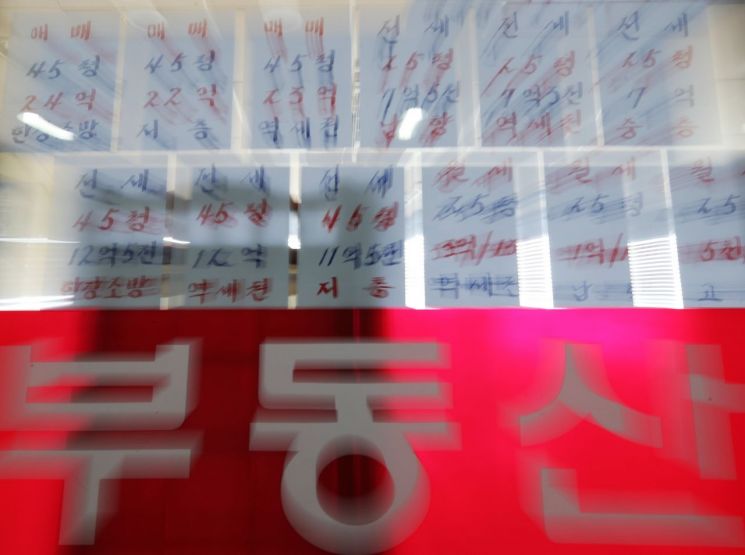
Tenant Mr. A heard from the landlord before the expiration of the jeonse lease that "it would be difficult to pay the jeonse deposit on the moving day." Since they had maintained a cordial relationship, Mr. A agreed, trusting the landlord's promise that "the deposit would definitely be returned the day after moving."
However, he began to worry that the landlord might not keep the promise. He also saw news that the amount of jeonse deposit accidents reached a record high last year. What should Mr. A do to protect his deposit in such a situation? Experts advise, "Even if you move, be sure to leave some of your belongings behind."
Real estate attorney Eom Jeong-sook (Beopdo Comprehensive Law Office) said, "If the agreed date for the return of the jeonse deposit is not the moving day but the next day, that date becomes the end of the lease contract," adding, "Since the landlord and tenant have a simultaneous performance relationship, if you have to move without receiving the deposit, you should leave some belongings behind."
Leaving some belongings behind means that even after the lease period ends, the tenant is considered to still occupy the house, which puts pressure on the landlord. In other words, it is recommended to actively utilize the simultaneous performance relationship between the landlord's obligation to return the jeonse deposit and the tenant's obligation to vacate the property.
◆If the landlord does not keep the promise... Apply for Tenant Registration Order and Jeonse Deposit Return Lawsuit
If the landlord still does not fulfill the promise to return the jeonse deposit the day after moving, the tenant should apply for a 'Tenant Registration Order.'
Attorney Eom said, "If the landlord breaks the promised date, you should immediately apply for the Tenant Registration Order," adding, "It takes about two weeks for the tenant registration to be completed." She further explained, "Once the tenant registration is confirmed through the registry, the tenant's opposability and priority repayment rights for the house are maintained, so you can remove the belongings even if someone else is there."
If the tenant has fully fulfilled the obligation to vacate but the jeonse deposit is still not returned, the tenant must file a 'Jeonse Deposit Return Claim Lawsuit' against the landlord.
The jeonse deposit return lawsuit refers to a lawsuit filed by the tenant against the landlord who does not return the jeonse deposit. The industry estimates that it takes about four months on average.
Attorney Eom advised, "If the tenant has fulfilled the obligation to vacate, the landlord must fulfill the obligation to return the jeonse deposit regardless of any personal circumstances," adding, "The tenant can claim delayed interest calculated from the day the landlord failed to keep the promise, and if damages occurred due to the delay in returning the deposit, the tenant can also claim damages."
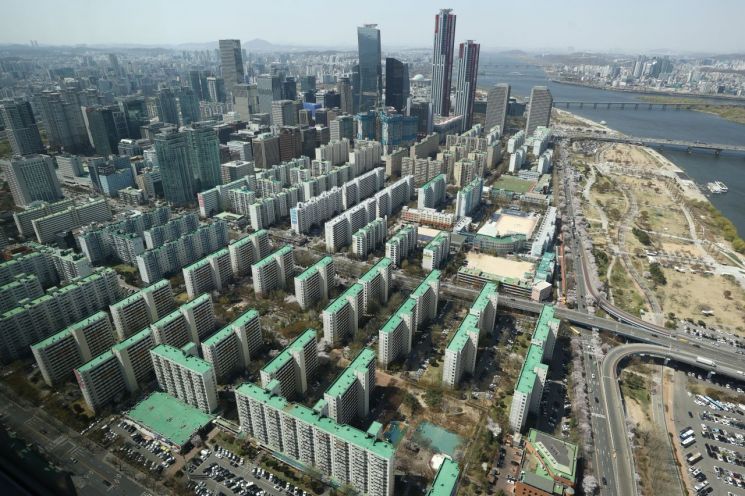
◆Tenants Who Lost Deposits Most Commonly in Seoul, in Their 30s, and with Around 200 Million KRW
Meanwhile, the amount of accidents where landlords did not return the jeonse deposit after the lease contract expired reached a record high last year on an annual basis.
According to the Housing and Urban Guarantee Corporation (HUG), the amount of jeonse deposit return guarantee accidents last year was 579 billion KRW, with 2,799 cases.
So-called 'empty-can jeonse,' where the jeonse deposit is similar to or exceeds the housing sale price, has been on the rise recently. If a tenant moves into an empty-can house, they may not be able to get their deposit back even after the contract period ends.
Victims who lost their jeonse deposits were especially common in Seoul and among people in their 30s. In Seoul, 1,217 cases, accounting for 43.5% of the jeonse deposit return guarantee accidents last year, occurred, with damages amounting to 280.9 billion KRW, or 48.5% of the total.
By age group, tenants in their 30s suffered the most damage. The 30s accounted for 1,391 cases, or 49.7% of all jeonse deposit return guarantee accidents, and damages of 279.2 billion KRW, or 48.2% of the total.
The most common amount of lost jeonse deposits was between 200 million and 300 million KRW. This accounted for 43.7% (1,224 cases) of all accidents and 51.0% (295.3 billion KRW) of the damages.
© The Asia Business Daily(www.asiae.co.kr). All rights reserved.


















