Advantages and Disadvantages of '1il 1sik' and Precautions to Take
[Asia Economy Reporter Jin-kyung Lee] While "three meals a day" is familiar to us, not many people eat all three meals due to busy daily lives and weight loss goals. As we age, digestion weakens, leading some to eat less or reduce meal portions to one or two meals a day for dieting purposes. What impact does this have on our health? Simply eating one meal a day does not guarantee benefits. Let's explore how to maintain healthy eating habits.
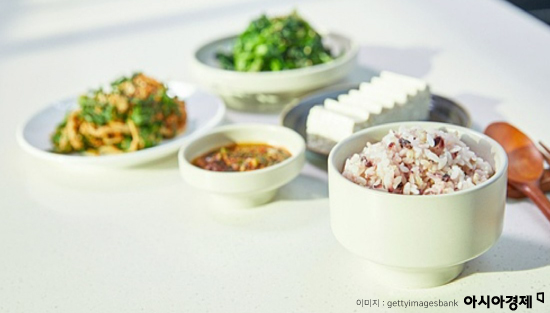
The "one meal a day" diet is well known as a fasting diet method created by Dr. Yoshinori Nagumo. He emphasizes that it is not necessary to eat three meals a day, but rather to consume sufficient nutrients as required by the body. Modern people tend to have less physical activity compared to people in the past, yet often eat breakfast, lunch, and dinner out of habit even when not hungry. Consuming more food than needed with low physical activity means the body rarely experiences fasting, which can lead to nutrient excess and reduced healing and recovery functions. Humans need an appropriate fasting state, and for this, eating one meal a day is recommended.

● How to practice one meal a day?
It is advisable to skip breakfast, eat between 3 to 5 PM, and go to bed early. If this is difficult, it is better to have one meal in the evening according to your lifestyle. Setting and adhering to a fixed eating time is important. To obtain sufficient nutrients from one meal, it is essential to eat a balanced diet. Seasonal fruits are recommended to be eaten with their skins, and instant foods should be avoided. Especially, a diet focusing on brown rice and low-carbohydrate foods helps with weight loss.
● Precautions for one meal a day
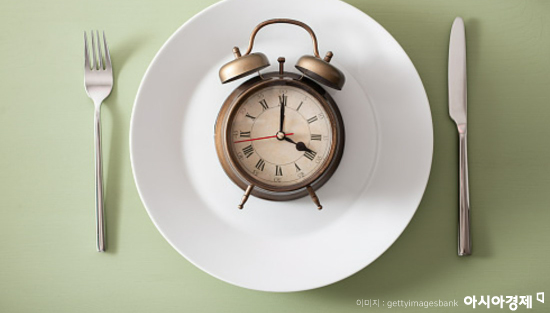
Eating only one meal a day but snacking on sweet potatoes, milk, etc., in between is not considered one meal a day. It is important not to consume any snacks other than water outside the one meal. People who are naturally thin, malnourished, or have low body temperature should avoid this diet as it may be too strenuous. Particularly, menopausal women and growing adolescents who need to maintain proper nutrition should not follow a one meal a day regimen.
● How does one meal a day benefit health?
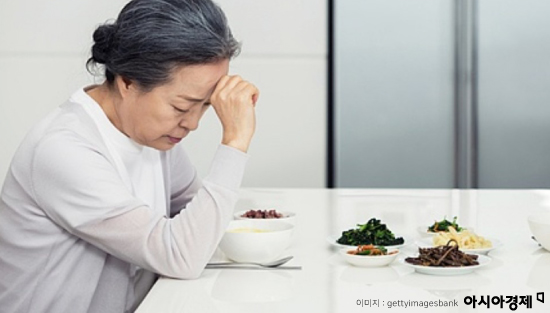
One meal a day extends fasting time through reduced eating and intermittent fasting, activating the enzyme protein "sirtuin," which boosts metabolism and helps repair inflammation and vascular damage. It also aids in increasing muscle mass and burning body fat, making it effective for dieting. Since overeating-induced reactive oxygen species are not generated, it lowers the risk of cell damage and helps prevent aging. Due to significantly reduced calorie and food intake, overweight or obese individuals can achieve short-term weight loss. People suffering from indigestion caused by irregular eating habits such as late-night snacks or overeating can also benefit from improved eating patterns.
● What are the drawbacks of one meal a day?
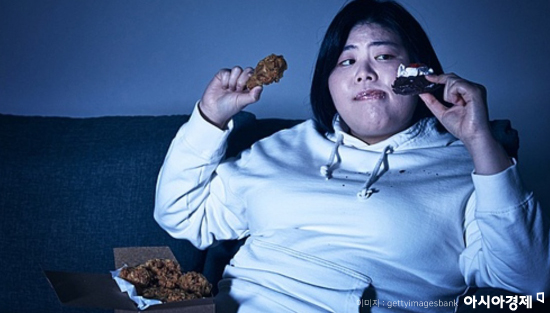
If fasting lasts more than 20 hours, the body perceives it as a crisis and tries to store more fat to survive. This can reduce basal metabolic rate and cause fat to accumulate easily, so caution is needed. Frequent hunger increases the secretion of appetite-stimulating hormones, raising the likelihood of yo-yo dieting. It is difficult to obtain all necessary nutrients from one meal, which can lead to nutritional imbalance, weakened immunity, anemia, and other health issues, so care must be taken.

● How to eat to maintain health and lose weight?
Experts warn that suddenly starting one meal a day can disrupt the balance and rhythm of the digestive system, intestinal movement, and hormone secretion, which are accustomed to three or two meals, causing side effects. Therefore, if you usually eat three meals, it is better to gradually reduce the portion size of one meal or slowly try two meals a day. People with heavy physical labor or high physical activity may find one meal a day too demanding, and growing students or examinees who need intense brain activity should avoid it. For overweight or severely obese individuals who need to lose weight for health reasons, it is recommended to practice one meal a day only for a short period without straining the body.

© The Asia Business Daily(www.asiae.co.kr). All rights reserved.



















