Seoul Institute of Health and Environment Research Investigates Caffeine Content and Labeling of 98 Guarana Raw Material Products
Twice the Caffeine of Coffee... Guarana Not Well Known as a Caffeine Raw Material
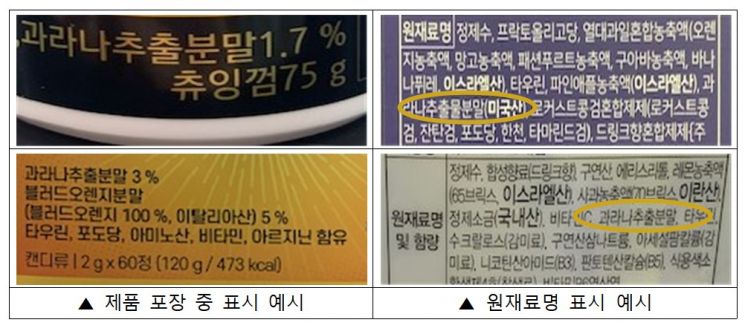
[Asia Economy Reporter Lim Cheol-young] The Seoul Metropolitan Institute of Health and Environment advised on the 31st that consuming products containing the tropical plant 'Guarana' results in caffeine intake, but some products lack separate labeling, so people sensitive to caffeine should check the ingredients before consumption.
Caffeine is a naturally occurring substance found in plants such as coffee beans, cocoa beans, tea leaves, guarana fruit, mate, and kola nuts, and is used in various processed foods. Guarana is a tropical plant whose seeds contain 2.5 to 6.0% caffeine (average 4.7%, 47 mg/g), which is about twice the caffeine content found in coffee beans.
The institute investigated the caffeine content and labeling of 98 products using guarana as an ingredient over the past two years (2020?2021), as foods containing caffeine have diversified. Guarana is used as a major caffeine-containing ingredient not only in energy drinks but also in candies, chewing gum, other processed products, and health functional foods.
Among 34 liquid food products surveyed, 27 products, including energy drinks, were subject to high caffeine content labeling. The average caffeine content per serving was 93 mg (ranging from 30 to 170 mg), which is about 23.3% of the maximum recommended daily intake, and all complied with labeling standards. Additionally, among liquid foods not subject to mandatory labeling, 7 products without caffeine labeling had an average caffeine content of 10 mg (ranging from 2 to 19 mg).
Currently, caffeine labeling for consumers is mandated for liquid foods containing 0.15 mg or more of caffeine per 1 ml, requiring the display of high caffeine content, total caffeine content, and cautionary statements.
Although not subject to high caffeine content labeling, 64 products containing guarana such as candies, chewing gum, jelly, and powders had an average caffeine content of 51 mg (ranging from 2 to 219 mg) per serving, which is about 12.8% of the maximum recommended daily intake. However, 8 products exceeded the maximum recommended daily caffeine intake of 125 mg for adolescents (based on 50 kg body weight).
Research Director Shin Yong-seung stated, “If the product packaging or ingredient list indicates guarana or guarana extract, even a small amount of caffeine can be consumed. Therefore, consumers sensitive to caffeine and children should be cautious when consuming foods containing guarana.”
© The Asia Business Daily(www.asiae.co.kr). All rights reserved.
![Clutching a Stolen Dior Bag, Saying "I Hate Being Poor but Real"... The Grotesque Con of a "Human Knockoff" [Slate]](https://cwcontent.asiae.co.kr/asiaresize/183/2026021902243444107_1771435474.jpg)











