A 2-Story, 2,275㎡ Yongsan Local History Museum with a Capacity of 490 People... Artifact Collection, Research, Exhibition, and Education Roles · Permanent Exhibition 'Borderless Yongsan', Special Exhibition 'Reviving Yongsan City' · Opening Ceremony on the 23rd at 3:30 PM on the Museum's 1st Floor
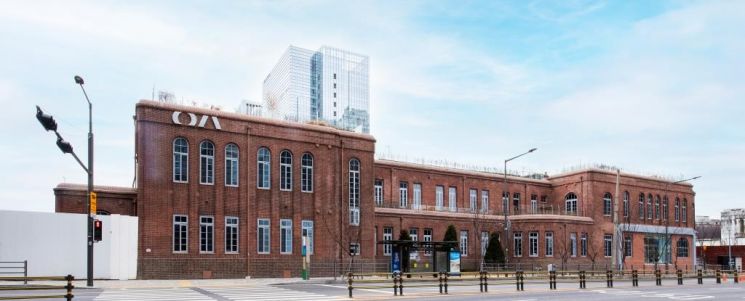
[Asia Economy Reporter Jongil Park] The former Yongsan Railroad Hospital, Registered Cultural Heritage No. 428, has been reborn as a specialized local history museum representing Yongsan's historical significance and cultural diversity.
Yongsan-gu (Mayor Seongjang Hyun) will hold an opening ceremony at 3:30 PM on the 23rd in the first-floor lobby of the Yongsan History Museum (35-29 Hangang-daero 14-gil) and begin operations.
The event will proceed in the order of a pre-ceremony performance, commemorative tree planting, opening, introduction of guests, progress report, congratulatory speeches, performance, and exhibition viewing, with about 50 attendees including Mayor Seongjang Hyun and key guests. Attendance was minimized considering the COVID-19 situation.
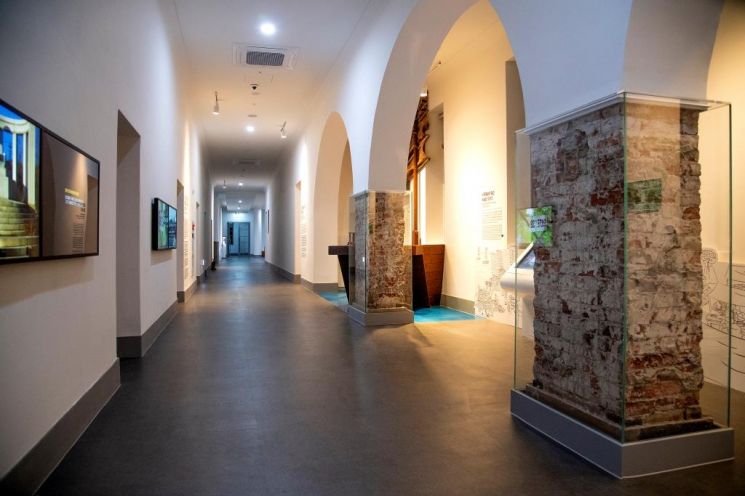
Built in 1928, the Yongsan History Museum building itself is a cultural asset. It was used as a hospital treating workers mobilized for railroad construction during the Japanese colonial period. The district restored the performance of the red exterior bricks and preserved traces inside the railroad hospital to maximize the value of this modern architectural structure.
The Yongsan History Museum is a two-story building with a total floor area of 2,275㎡, a simultaneous capacity of 490 people, and a comfortable viewing capacity of about 100 people. The space is divided into exhibition, education, office, storage, landscaping, and common areas.
Through architectural environment analysis, the district prepared a space optimized for exhibition production and incorporated digital technology to maximize thematic exhibition effects with 2-3 minute 2D and 3D videos.
The exhibitions include a permanent exhibition, an opening commemorative special exhibition, and an experience corner. Auxiliary facilities include an education room, archive media wall, donor honor hall, rooftop garden, and cafeteria.
The theme of the permanent exhibition is “Borderless Yongsan,” consisting of ▲Prologue: Yongsan with a Thousand Faces ▲Gathering in Yongsan: Gateway to Hanyang, Merchant Magnates Who Moved Joseon, Gyeonggang Merchants ▲Scattering from Yongsan: Yongsan Drawing a New Terrain as a Military Base, Yongsan Burning Hot Even During the Cold War ▲Continuing to Yongsan: Yongsan as the Center of Railroad Transportation, Yongsan Railroad Hospital as the Base of Railroad Medical Care ▲Becoming One in Yongsan: Yongsan as a Foundation of Harmonious Diversity, Moving Beyond Boundaries to an Era of Coexistence ▲Epilogue: Yongsan Moving Toward Tomorrow. Experience elements incorporating virtual reality and touch panels are added throughout.
The opening commemorative special exhibition will be held in the planning exhibition hall until September 18. Titled “Reviving the Yongsan City ? The Story of the Railroad and the Railroad Hospital,” it captures the dynamic history of the railroad hospital. “Border in Motion ? Yongsan” is a representative work showing scenes of Yongsan through different eras along the railroad tracks.
The experience exhibition is arranged along the first-floor corridor. Visitors can experience transporting grain using touch monitors, character silhouette panels, and maze tables.
Starting in April, educational programs will also be introduced. “Yongsan LAB: Urban History Edition” is an eight-session, 90-minute program designed for elementary school students. “Knock Knock Knock, First Museum” is a museum introduction video about 30 seconds long to help young children become familiar with the museum.
Admission to the Yongsan History Museum is free. It is open from 10 AM to 6 PM. However, it is closed on January 1, Lunar New Year and Chuseok holidays, and every Monday (or the following day if Monday is a public holiday).
The district directly operates the museum. The current staff, including the museum director, numbers 12. The district is also recruiting 20 volunteers to assist with exhibition explanations, visitor order, and exhibition room safety maintenance.
Mayor Seongjang Hyun of Yongsan-gu explained, “During the Joseon Dynasty, Yongsan was a gathering place for transport boats and merchants. This was due to its geographical advantage as a rear area of the capital Hanyang and a crossing point to the south of the river. During the Japanese colonial period, a railroad base was built in Yongsan, serving as a foothold for continental invasion.”
He added, “Yongsan is also rich in cultural diversity,” emphasizing, “The Yongsan History Museum will become a hub for Yongsan’s leap into a world-class historical and cultural city.”
The Yongsan History Museum is responsible for collecting, researching, exhibiting, and educating on local historical and cultural materials and artifacts.
The district first began planning and reviewing the museum’s establishment in 2011. Since then, it has proceeded with hiring curators, forming a museum construction advisory group, conducting basic planning research, publicly acquiring museum materials, and establishing detailed exhibition plans. In June 2021, the developer of the area around 65-154 Hangangno 3-ga remodeled the building and donated the completed museum to the district. About 4,000 exhibition artifacts have been collected to date.
© The Asia Business Daily(www.asiae.co.kr). All rights reserved.


















