[Seoul District News] Gwanak-gu to Implement 30 Detailed Projects Worth 35.4 Billion KRW by 2026 to Create a Safe and Happy City for Residents... Gwangjin-gu and Korea Communications Agency Sign Business Agreement... Dobong-gu Recruiting Students for Sustainable Farming Permaculture Education... Jongno-gu Launches Smart Idea Contest... Gangbuk-gu Expands Free Legal Counseling Services Starting March
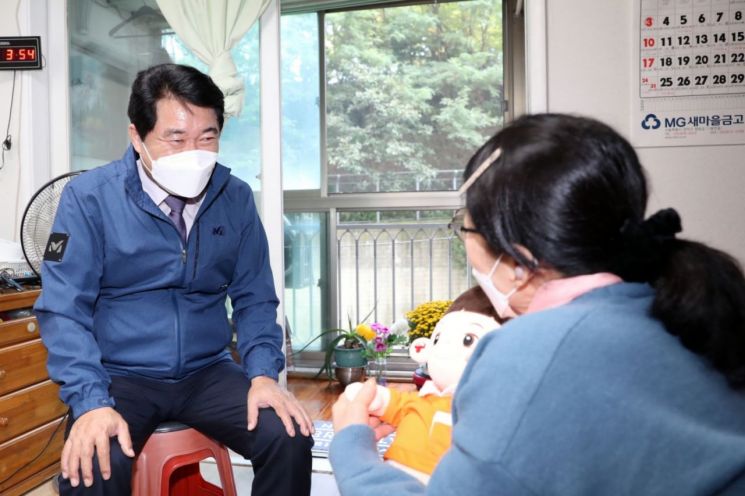 Last October, Park Junhee, the mayor of Gwanak District, visited a single-person household with disabilities to check on their well-being and explain the functions of a companion robot.
[Asia Economy Reporter Park Jong-il] Since the COVID-19 pandemic, it has become an important time to devise ways to develop cities more conveniently and sustainably through public services and urban planning utilizing information and communication technology.
Gwanak-gu (Mayor Park Jun-hee) is accelerating the implementation of projects to secure competitiveness as a smart city and improve the quality of life for residents by establishing a ‘Gwanak-gu Smart City 5-Year Plan’ tailored to the characteristics of the region in line with this trend.
Under the vision of ‘Every Smart City Gwanak, where everyone participates and enjoys together,’ the goals are ‘hyper-connected open smart city, a sustainable smart city where everyone is happy, and a resident-participatory smart city with 365 days of participation by all.’ A total budget of 35.4 billion KRW will be invested by 2026 to gradually implement 30 detailed projects.
First, efforts will be made to build an integrated urban operation infrastructure and promote data sharing and utilization. The scattered urban data will be integrated and managed through a ‘data integration platform,’ and the analyzed data will be opened to residents for easy access anytime and anywhere.
Various integrated smart poles equipped with IoT sensors, electric vehicle chargers, and other devices will be installed on urban facilities such as streetlights, traffic lights, and CCTVs, and a wireless IoT private network will be established to create a stable urban infrastructure.
In particular, reflecting the characteristics of the district with a high proportion of women and young single-person households and many aging buildings, smart technologies will be introduced in daily life areas such as enhanced safety and welfare in response to the low birthrate and aging population trends to provide services that residents can feel directly.
IoT risk detection sensors will be installed in 100 old and vulnerable facilities prone to disaster safety issues to establish a real-time monitoring system, an AI intelligent selective control system will be built, and the nation’s first urban autonomous patrol robot service will be operated to create a safe and secure special district free from crime and accidents.
Also, Seoul’s first smart senior centers will be established, providing welfare services such as leisure programs via remote video platforms, IoT healthcare, and kiosk experiences to prepare for an aging population. Customized welfare solutions using AI and IoT sensors will be implemented for vulnerable groups such as dementia patients, elderly living alone, people with developmental disabilities, and infants to build a seamless welfare system.
A two-way platform called ‘365 Metaverse Platform Gwanak’ will be built to enable anyone to participate directly in policy-making without generational or class barriers, operating smart governance.
The project actively encourages private companies to participate in the smart city project to promote private profit generation, holding annual forums, smart city festivals, and ideathons to provide opportunities for information exchange and experiencing future technologies.
To systematically implement the projects by year, performance management and reporting will be continuously conducted for each detailed project, and the data integration platform will be used to review data sharing when establishing project plans, ensuring that projects established according to the 5-year plan proceed without disruption.
A representative from the Smart Information Division of the district said, “Until next year, we will focus on building smart city infrastructure, advancing services, and expanding infrastructure. By 2025, we will go through a service settlement phase, and in 2026, through cooperation with related organizations and qualitative expansion, we plan to establish a smart city system. Five years from now, residents will meet a distinctly transformed smart city Gwanak.”
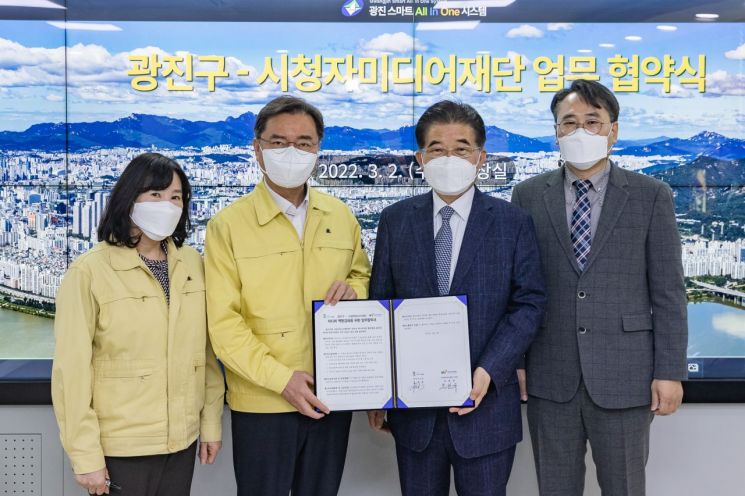 Seongap Kim, Mayor of Gwangjin District (second from the left), signed a business agreement with Gwangjin District and the Seoul Audience Media Foundation (Chairman Han-gyu Jo) in the mayor's office on the 2nd.
Gwangjin-gu (Mayor Kim Seon-gap) signed a business agreement with the Korea Communications Agency on the 2nd to enhance residents’ understanding of media and activate participation in district administration.
This agreement was promoted to strengthen the media capabilities of Gwangjin residents and help spread a proper media culture in response to the increased importance of media communication due to COVID-19.
Through the agreement, the two organizations agreed to cooperate on ▲planning and operating customized media education programs for residents and staff ▲supporting human and material resources related to media education activation ▲joint cooperation to support community villages and promote startup support ▲and mutual cooperation on other projects each organization is pursuing.
The Korea Communications Agency is a quasi-governmental organization under the Korea Communications Commission that operates media education projects and plays a role in promoting viewer participation and rights. It currently operates in 10 regions including Seoul, Gyeonggi, Busan, Gwangju, Gangwon, Daejeon, Incheon, Chungbuk, and Sejong.
The district plans to promote media education for residents and staff starting in June in cooperation with the Korea Communications Agency Seoul Center.
The education content includes ▲‘Press Release and Article Writing’ for the 50+ Resident Autonomy Reporters ▲YouTuber specialized education and speech lectures for one-person media entrepreneurs ▲online live commerce production and utilization education for small business owners.
Especially, customized education will be conducted actively utilizing facilities at the Korea Communications Agency Seoul Center such as ▲editing classrooms ▲large TV studios ▲one-person media production rooms ▲radio studios ▲and equipment rental rooms.
Gwangjin-gu Mayor Kim Seon-gap said, “Through cooperation between institutions, media will become a stepping stone for communication for Gwangjin residents struggling due to COVID-19 and serve as a medium for sharing local culture and strengthening residents’ media capabilities. We will spare no support.”
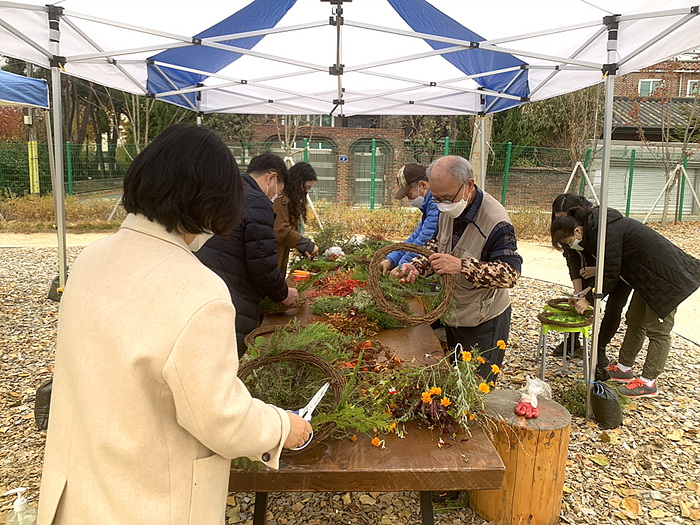
Dobong-gu (Mayor Lee Dong-jin) will provide a total of 30 permaculture (sustainable farming) education sessions at the Urban Agriculture Park located in Ssangmun-dong (481-1 Ssangmun-dong) for residents interested in sustainable farming methods.
Permaculture is a compound word of ‘permanent’ and ‘agriculture,’ referring to a method of cultivating crops sustainably by minimizing soil damage through no-tillage farming without artificial actions such as pesticides, growing cover crops and perennials to minimize soil carbon emissions and improve soil fertility.
The education will be held every Friday from 10 a.m. to 12 p.m. at the Ssangmun-dong Urban Agriculture Park from March 18 to November, totaling 30 sessions.
The curriculum includes ▲basics and principles of permaculture ▲vegetable garden operation practice ▲crop processing methods ▲farming using weeds ▲healing farm parties, etc. Students who complete the course diligently will receive an internationally recognized certificate (Permaculture design course) that allows them to develop permaculture courses and spread them domestically and internationally.
Applications are open to all Dobong-gu residents from 10 a.m. on March 2 to 5 p.m. on March 8 via the Dobong-gu website. The number of participants is limited to 20 and will be selected on a first-come, first-served basis. The results will be posted on the district website on March 11 and individual notifications will be sent. Participants will be charged a fee of 70,000 KRW per person, including educational materials and practice garden use.
The education will be conducted following COVID-19 prevention guidelines, and the detailed schedule may be adjusted depending on the COVID-19 situation.
Dobong-gu Mayor Lee Dong-jin said, “Permaculture is a new attempt at eco-friendly sustainable farming that uses nature as it is, moving away from conventional farming using chemical fertilizers and pesticides. It aims to protect the environment in the era of climate crisis and ultimately restore weakened neighborly and community spirit to design a sustainable life. Dobong-gu will spread the multifaceted value of urban agriculture and take the lead in overcoming the crisis in the COVID-19 era.”
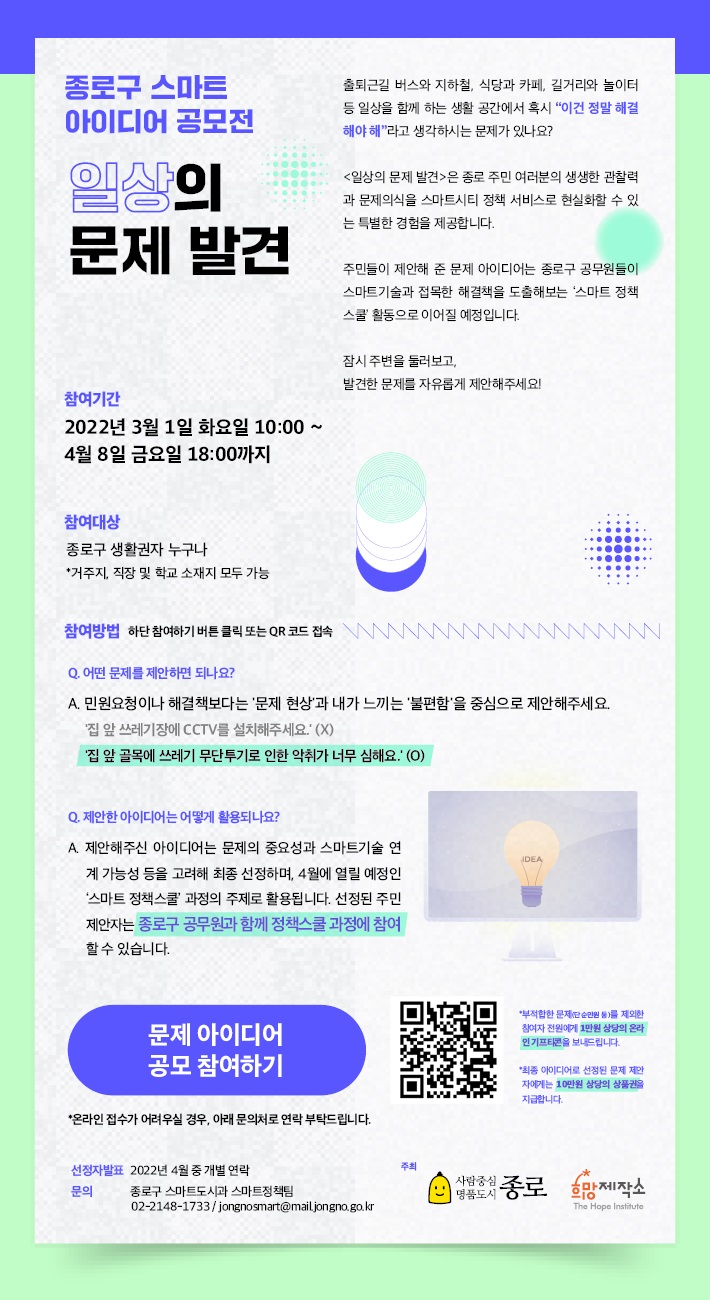
Jongno-gu is holding the ‘Discovering Everyday Problems: Jongno-gu Smart Idea Contest’ from this month until April 8.
The contest aims to find solutions by applying ICT technology to various problems big and small encountered in everyday spaces such as public transportation during commuting, restaurants, cafes, and streets, with the goal of advancing toward a smart city Jongno.
Anyone living in the area can freely participate, and the contest seeks proposals focusing on specific problems and inconveniences rather than simple complaints. Selected ideas will be followed by activities in the ‘Smart Policy School’ to discover policies deemed necessary by residents.
Participants can enter online via QR code or submit by mail within the period to the Smart City Division at Jongno-gu Office (36 Jongno 1-gil, 12th floor, Smart City Division).
Jongno-gu will provide a mobile gifticon worth 10,000 KRW to all who pass the first screening excluding simple complaints and will select the final ideas after internal meetings.
Judging criteria include demand sensitivity (whether the proposal reflects residents’ inconveniences well), urgency (whether it threatens residents’ life and safety and requires urgent attention), and technical feasibility (whether improvement effects through smart technology integration exist).
The final results will be announced on April 18, and idea proposers will receive gift certificates worth 100,000 KRW and opportunities to participate in related workshops.
For more details about the contest, check the announcement on the Jongno-gu website or contact the Smart Policy Team of the Smart City Division.
Meanwhile, Jongno-gu plans to focus on operating the Smart City Council and Smart Policy School and promoting Smart Living Lab projects this year under the vision of ‘A Smart City Jongno Where Residents Are Happy.’ Last year, it laid the institutional foundation by enacting related ordinances, forming the council, building smart public data services, and leading digital capacity-building education.
A district official said, “We hope that the various inconveniences residents have felt in daily life will be improved smartly through this contest. We will continue to embed the value of ‘smart city’ into district administration to add convenience to residents’ lives.”
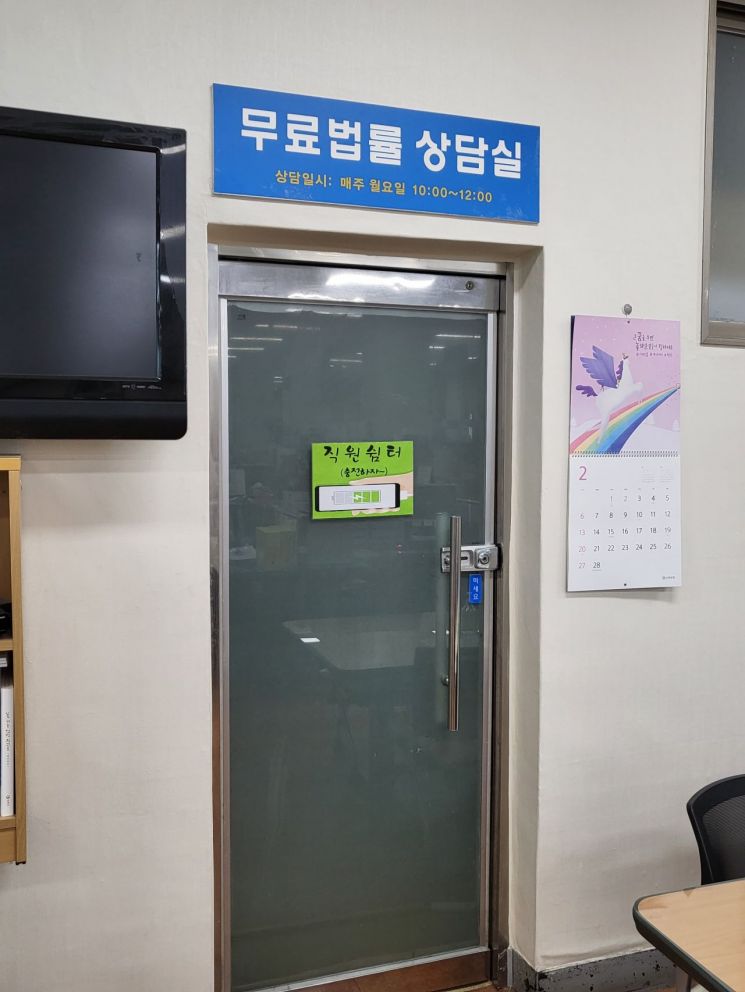
Gangbuk-gu (Mayor Park Gyeom-su) will expand the operation of the ‘Gangbuk-gu Free Legal Counseling Office’ from March to provide residents with a wide range of daily life legal services.
The district has been operating a free legal counseling office for residents who need professional legal consultation but face difficulties due to high costs. Due to the continuous increase in demand for legal counseling, four new judicial scriveners have been appointed to provide high-quality daily legal services.
As a result, legal counseling by judicial scriveners, which was previously held twice a month, will increase to up to five times a month. From March, residents can receive legal counseling from lawyers every Monday from 10 a.m. to 12 p.m., and from judicial scriveners from 2 p.m. to 4 p.m.
The counseling method is primarily one-on-one face-to-face consultation with legal counselors, but to prevent the spread of COVID-19 Omicron, telephone counseling will be used as a substitute.
Counseling covers daily life legal issues such as ▲real estate registration ▲non-contentious cases ▲name changes ▲inheritance ▲adoption ▲divorce, with sessions lasting about 20 minutes.
Lawyer consultations are available every Monday from 9 a.m., with reservations by phone for the first seven people on a first-come, first-served basis. Those wishing to consult with judicial scriveners can visit or call the Civil Affairs and Passport Division on the first floor of Gangbuk-gu Office to make an appointment.
Last year, nine legal experts conducted a total of 284 legal consultations in civil, criminal, family, and administrative cases.
Additionally, 13 community centers in Gangbuk-gu also provide free legal counseling by village lawyers and judicial scriveners once or twice a month. Detailed counseling schedules and contact information can be found on the Seoul Metropolitan Government Legal Administrative Service website.
Gangbuk-gu Mayor Park Gyeom-su said, “We hope the expanded free legal counseling office will be of great help to residents facing legal difficulties. We will strive to provide many administrative services that help residents in their daily lives for their convenience.”
© The Asia Business Daily(www.asiae.co.kr). All rights reserved.
![Clutching a Stolen Dior Bag, Saying "I Hate Being Poor but Real"... The Grotesque Con of a "Human Knockoff" [Slate]](https://cwcontent.asiae.co.kr/asiaresize/183/2026021902243444107_1771435474.jpg)


















