50% of All Patients Concentrated in January-February
Vulnerable to Tobacco Smoke, Fine Dust, and Exhaust Fumes
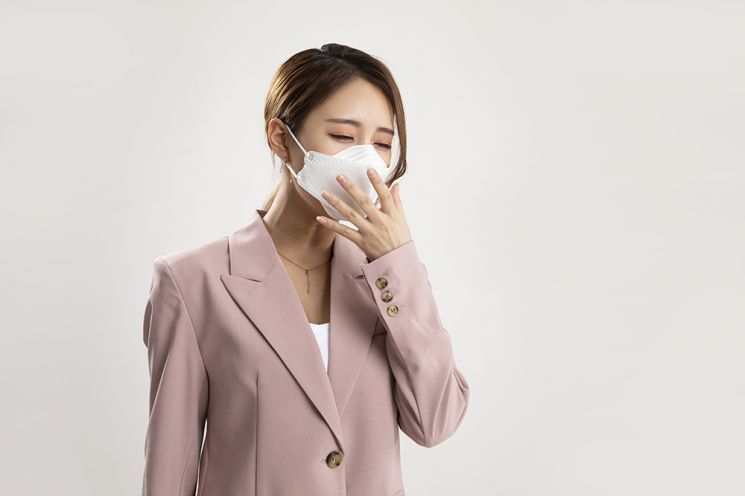
[Asia Economy Yeongnam Reporting Headquarters Reporter Lee Seryeong] Cold winds and heavy snowfall have led to nationwide cold wave warnings and advisories, signaling a red alert for the health of respiratory disease patients.
Winter is a season when cold air worsens asthma, causing a surge in hospital visits by patients. The National Health Insurance Service warned at the end of January through its National Health Alarm Service that the occurrence level of asthma is at a dangerous stage.
The National Health Alarm Service is a big data-based public service that integrates medical, environmental, weather, and private social network information to alert the risk of disease occurrence.
Statistics also show that among 926,464 patients treated for asthma in 2020, 449,063 patients, accounting for 48.4%, were concentrated in January and February.
Asthma is a chronic airway allergic inflammatory disease, and the English word asthma originates from the Greek word meaning "to pant" or "to breathe heavily."
Asthma, caused by a complex interaction of genetic and environmental factors, is known to be triggered by allergens such as pollen, house dust mites, food, and drugs, as well as climate changes, colds, indoor pollution, air pollution, and cigarette smoke.
It is characterized by sudden or recurrent respiratory symptoms such as wheezing, coughing, chest tightness, shortness of breath, and sputum due to narrowed bronchial tubes in the lungs.
Wheezing is a whistling or squeaking sound when breathing, which can be loud enough to be heard by people nearby in severe cases.
Asthma cough worsens at night and, once started, tends to persist and recur repeatedly.
Due to narrowed airways and disrupted airflow, patients often feel chest tightness and discomfort.
It can feel as difficult as breathing through a straw, and in severe cases, shortness of breath may cause loss of consciousness, requiring emergency room visits.
Asthma patients find it difficult to inhale, but most experience greater difficulty when exhaling.
Asthma is diagnosed through lung function tests, bronchial provocation tests, chest X-rays, and sputum examinations.
Once diagnosed, patients receive environmental therapy to avoid asthma triggers and exacerbating factors, as well as medication to relieve symptoms or prevent asthma attacks.
If left untreated, lung function deteriorates, making daily life difficult and potentially requiring oxygen therapy.
With the spread of COVID-19, persistent coughing or shortness of breath may be mistaken for a confirmed case, but early treatment of asthma is crucial, so prompt diagnosis at a nearby hospital is necessary.
To prevent asthma, thorough personal hygiene such as washing hands cleanly is essential, and especially in the dry winter season, maintaining an appropriate indoor temperature to minimize temperature differences between indoors and outdoors is important.
It is advisable to reduce outdoor activities as much as possible, and when going out is unavoidable, wearing masks and scarves to protect the respiratory system is recommended.
Cigarette smoke, chemical odors, air pollution, and yellow dust are particularly harmful to asthma patients, so exposure should be avoided, and indoor air quality should be managed using air purifiers.
Enjoy a relaxed lifestyle with appropriate exercise and stress management, but even if symptoms improve, never stop medication arbitrarily.
Dr. Lee Gyumin, head of the Respiratory Clinic at Daedong Hospital, said, “People over 60 years old are more susceptible to asthma due to decreased bronchial function caused by cold air and the dry winter environment. Since symptoms are similar to colds or flu, many tend to underestimate them and miss the treatment window. We hope that when symptoms appear, patients visit nearby medical institutions promptly.”
© The Asia Business Daily(www.asiae.co.kr). All rights reserved.












