Daily New Confirmed Cases Last Week 1.9 Times That of the Previous Week
Test Positivity Rate Doubled
[Asia Economy Reporter Ki Ha-young] To prevent cluster infections and breakthrough infections in infection-vulnerable facilities such as nursing hospitals, health authorities are planning a 4th vaccination for these facilities.
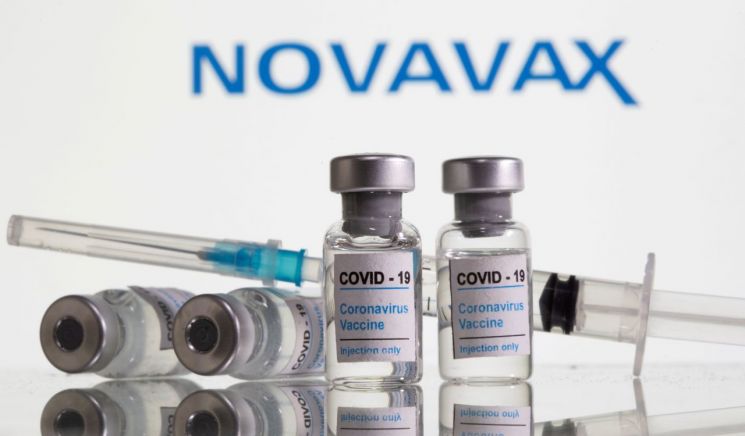
On the 7th, the Central Disease Control Headquarters (CDCH) announced that they are encouraging unvaccinated individuals in nursing hospitals to get vaccinated using the Novavax vaccine, and are establishing a 4th vaccination plan in response to ongoing cluster infections and increasing breakthrough infections in these facilities.
According to the CDCH, there were a total of 66 cluster infections (2,490 confirmed cases) in nursing hospitals and facilities in January alone, and 7 cases occurred in the first week of February, with a total of 121 confirmed cases. In particular, considering the timing of the 3rd vaccination for those aged 60 and over, the preventive effect may decrease after March, so caution is needed, and cluster infections in nursing hospitals and facilities continue.
Health authorities expect that after March, more confirmed cases among the elderly aged 60 and over, whose preventive effects have decreased after the 3rd vaccination, may appear, and they are paying attention to the risk of an increase in severe cases. Although the Omicron variant has a relatively low severity rate and the trend of decreasing severe and fatal cases is still maintained, if the number of high-risk group cases increases, severe cases may also increase.
The weekly number of new severe cases decreased from 167 in the fourth week of January to 133 in the first week of February, and the weekly number of deaths also decreased from 183 to 146. However, the number of hospitalized patients increased by 2,248 from 6,199 to 8,447 during the same period, raising the possibility that the decreasing trend in severe cases may be reversed as high-risk group cases increase.
The increase in confirmed cases among adolescents aged 18 and under is also steep. The average daily confirmed cases among adolescents aged 18 and under last week was 5,824, about 1.8 times higher than the previous week. The average daily incidence rate across all school-age groups increased by more than 40% compared to the previous week. In particular, the incidence rate is high in the 18-year-old age group, where private gatherings increased after the College Scholastic Ability Test. The average daily incidence rate per 100,000 people in this age group increased from 105.1 in the previous week to 153.5 last week.
As Omicron becomes the dominant strain, the spread is expected to intensify further. The domestic Omicron detection rate, which was 80.0% the previous week, increased by 12.1 percentage points to 92.1% last week. The average daily confirmed cases last week were 22,657, about 1.9 times the previous week's 11,877. The weekly infection reproduction number (Rt) also rose from 1.58 in the fourth week of January to 1.60 last week. By region, the Rt was 1.55 in the metropolitan area and 1.68 in non-metropolitan areas. The infection reproduction number indicates how many people one confirmed case infects; a value above 1 means 'epidemic expansion,' and below 1 means 'epidemic decline.'
The test positivity rate, which was only 4.84% in the fourth week of January, nearly doubled to 9.53% last week. Health authorities attribute this to the new diagnostic testing system introduced on the 3rd, where only priority groups such as those aged 60 and over receive PCR (polymerase chain reaction) tests, while others undergo rapid antigen tests.
© The Asia Business Daily(www.asiae.co.kr). All rights reserved.

















