
[Asia Economy Reporter Sumi Hwang] A study has found that persistent olfactory decline (hyposmia) or distorted smell perception (parosmia), experienced by more than 12% of COVID-19 patients, may be an early sign of brain tissue damage.
On the 2nd (local time), a joint research team from NYU Grossman School of Medicine and Columbia University revealed the molecular mechanisms involved in olfactory abnormalities in COVID-19 patients and explained why these symptoms persist for a long time in an online paper published in 'Cell'.
The research team examined what happens at the molecular level when infected with COVID-19 by analyzing olfactory tissues from 23 patients collected during autopsy and using golden hamsters as a model. Although hamsters are mammals like humans, they rely more heavily on their sense of smell and are much more vulnerable to nasal infections.
As a result, in both models, the formation of olfactory receptors was broadly and persistently downregulated when the novel coronavirus entered the body. Olfactory receptors are proteins located on the surface of nerve cells inside the nose that detect odor molecules.
The team confirmed that when the novel coronavirus invades and triggers an immune response, the DNA strands of chromosomes that influence olfactory receptor formation fail to open actively, reducing their ability to stimulate gene expression.
While this phenomenon appeared briefly and then returned to normal in hamsters, human olfactory tissue did not recover similarly. This suggests that gene expression regulation in chromosomes is disrupted for a longer period in COVID-19 patients.
Additionally, when the novel coronavirus appeared near olfactory neurons in the olfactory tissue, immune cells such as T cells gathered, and cytokines secreted by these immune cells altered the gene activity of olfactory neurons.
This phenomenon occurred even without the novel coronavirus infecting the olfactory neurons. Immune cells gather simply because the virus approaches the olfactory neurons in response.
Typically, immune cell activity is known not to last long in the brain. However, the signaling molecules secreted by immune cells may continue to act by lowering the gene activity necessary for olfactory receptor formation.
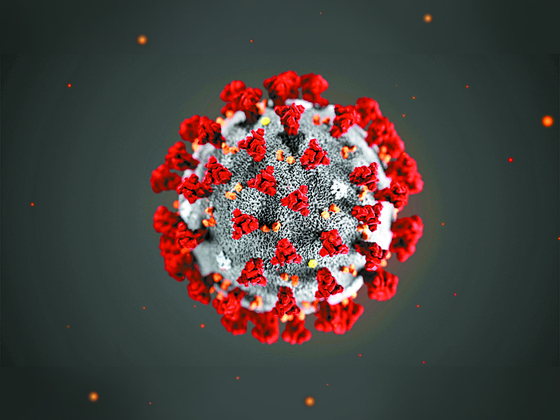
Furthermore, scientists speculated that this could be a type of 'nuclear memory' that hinders the restoration of olfactory receptor transcription even after the novel coronavirus is eliminated.
The research team also noted that olfactory neurons in the nasal cavity are highly connected to sensitive areas of the brain. This means that immune cell responses occurring in the nasal cavity could also affect the brain's emotional and cognitive functions.
In the paper, the team emphasized, "The recognition that olfaction depends on fragile genetic interactions between chromosomes has important implications," adding, "If the immune system responds by disrupting chromosomal contacts and olfactory gene expression stops each time, olfactory loss could serve as a 'canary in the coal mine.'"
They further explained, "This means that olfactory loss in COVID-19 patients may be an early signal indicating coronavirus-induced brain tissue damage before any other symptoms appear."
© The Asia Business Daily(www.asiae.co.kr). All rights reserved.
!["The Woman Who Threw Herself into the Water Clutching a Stolen Dior Bag"...A Grotesque Success Story That Shakes the Korean Psyche [Slate]](https://cwcontent.asiae.co.kr/asiaresize/183/2026021902243444107_1771435474.jpg)

















