Price Raised by 8.9% from Previous Day's Shipments
Due to Increased Costs Like Fuel Expenses
Production Delays Cause Late Shipments
Rising Costs Lead to Growing Consumer Complaints
[Asia Economy Reporter Choi Dae-yeol] The delivery fee for new cars purchased from Hyundai Motor Company and Kia has increased by about 10%. Depending on the model, the additional cost ranges from around 10,000 KRW to nearly 30,000 KRW.
According to industry sources on the 4th, Hyundai and Kia have raised their delivery fees by approximately 8.9% starting from vehicles shipped the previous day. The companies had informed vehicle buyers and frontline sales branches and dealerships of this change in late last month. This is the first increase in new car delivery fees for Hyundai and Kia in over two years, since around the end of 2019.
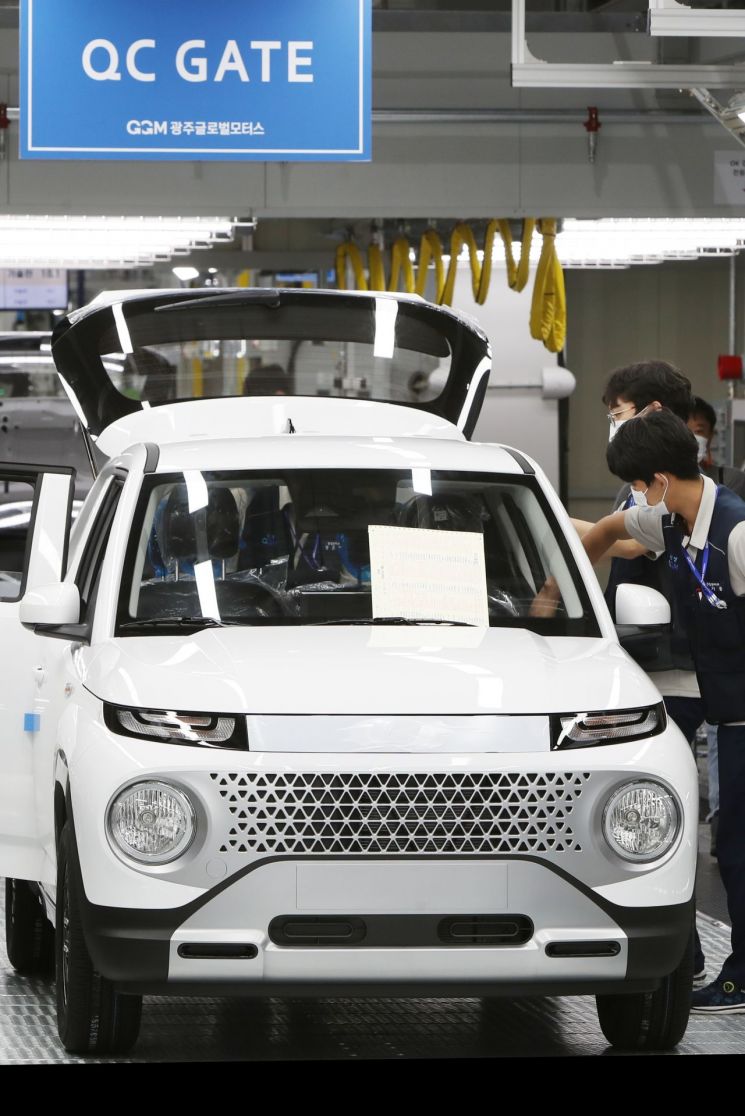
New car delivery fees vary depending on the vehicle’s production plant, shipping location, buyer’s receiving area, and model. For example, if a buyer receives a Sonata shipped from the Asan plant in Seoul, the fee previously was 134,000 KRW but has now increased to 146,000 KRW. For the compact SUV Casper produced by Gwangju Global Motors and delivered in Seoul, the fee rose from 177,000 KRW to 193,000 KRW. For high-end models delivered to island regions such as Jeju, the delivery fee can reach 500,000 to 600,000 KRW, with an increase of about 60,000 KRW in delivery costs alone.
Hyundai Glovis, an affiliate of Hyundai Motor Group, is responsible for transporting new cars for Hyundai and Kia. Delivery fees are determined through negotiations between the automakers and Glovis. The increase is attributed to rising costs related to labor and fuel expenses involved in vehicle transportation. A Hyundai Glovis representative explained, "Fuel costs typically make up a significant portion of vehicle delivery expenses, and since the end of last year, international oil prices have surged, which contributed to the price increase."
Consumers who have already signed contracts for new cars but have not yet received their vehicles, as well as prospective buyers, have expressed dissatisfaction. Due to the semiconductor shortage and other factors, vehicle production has been disrupted for over a year, causing delays in delivery and increased cost burdens.
For models with substantial pre-order volumes, such as the recently launched Genesis G90, it reportedly takes at least seven months from contract to delivery. For some models, the delivery backlog has worsened to the point where it can take up to a year to receive the vehicle. This has intensified pressure to raise new car prices. Hyundai currently offers virtually no new car sales promotions except for slightly reduced installment interest rates on a very limited number of models. In fact, for long-waiting customers of the Ioniq 5, the company is running a campaign offering partial discounts if they switch to other models.
© The Asia Business Daily(www.asiae.co.kr). All rights reserved.

















