Metropolitan Bus Budget Increased from 9.9 Billion Won Last Year to 42.6 Billion Won This Year, a 4.3-Fold Increase
Chartered Buses from 135 to 200 per Day, Semi-Public Operation Routes Expanded from 27 to 101
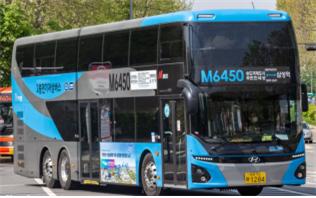
The Ministry of Land, Infrastructure and Transport will expand the metropolitan bus service, including the additional introduction of 35 double-decker electric buses this year to alleviate congestion during commuting hours in the Seoul metropolitan area.
The Metropolitan Transport Commission (MTC) under the Ministry announced on the 28th that it has increased the metropolitan bus budget from 9.9 billion KRW last year to 42.6 billion KRW this year, a 4.3-fold increase, to expand the supply and improve the service level of metropolitan buses in the Seoul metropolitan area.
With the increased budget, the MTC plans to introduce double-decker electric buses, expand the quasi-public metropolitan bus system, and increase the number of buses during peak commuting hours.
The double-decker electric metropolitan bus introduction project aims to increase the number of seats on metropolitan buses while contributing to carbon neutrality by deploying double-decker electric buses developed through a national research and development (R&D) project on metropolitan bus routes.
Currently, 25 buses are in operation, and an additional 35 buses will be introduced by the end of this year, increasing the total to 60.
After the introduction of double-decker electric buses, the daily ridership on the relevant routes increased by 20%, from 1,250 to 1,501 passengers, while the onboard congestion rate decreased by 13 percentage points, from 57% to 44%. The transport capacity per electric bus improved by 60% compared to existing metropolitan buses, which is expected to help alleviate road congestion during commuting hours.
The MTC will also expand the quasi-public system routes from the current 27 to 101, more than tripling them, and increase the national subsidy rate from 30% to 50%.
The metropolitan bus quasi-public system is a project where the government manages metropolitan bus routes and provides financial support. For routes that were privately operated but converted to the quasi-public system last year, the number of trips increased by 26%, and the interval between buses was shortened by 2 minutes (20%), from 10 minutes to 8 minutes.
Additionally, the MTC plans to deploy about 200 charter buses daily during commuting hours this year.
Last year, 135 additional charter buses were deployed daily on 31 routes, increasing seat supply during commuting hours by 19%, and the average bus interval was shortened by 2 minutes (25%), from 8 minutes to 6 minutes.
Furthermore, the MTC plans to continuously establish new metropolitan bus routes centered on new towns this year. The M-Bus (metropolitan express bus) routes, currently operating only in the Seoul metropolitan area, will also be introduced in local metropolitan areas to expand metropolitan transportation services in regional areas.
Kim Gyu-hyun, head of the MTC, said, "Metropolitan buses require less time to open and can quickly resolve metropolitan transportation blind spots," adding, "We will continue to expand metropolitan bus routes."
© The Asia Business Daily(www.asiae.co.kr). All rights reserved.
![User Who Sold Erroneously Deposited Bitcoins to Repay Debt and Fund Entertainment... What Did the Supreme Court Decide in 2021? [Legal Issue Check]](https://cwcontent.asiae.co.kr/asiaresize/183/2026020910431234020_1770601391.png)
















