"The Biggest Concern Is Not the Opponent... It's Playing the Match in Beijing"
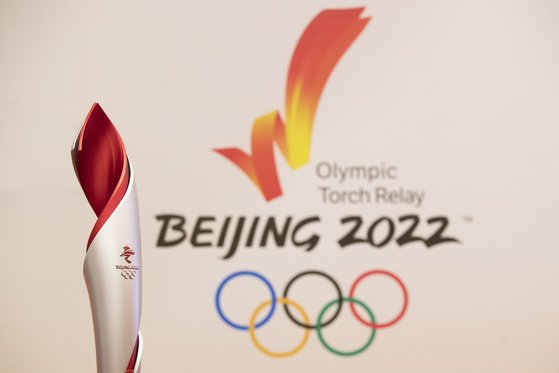
[Asia Economy Reporter Na Ye-eun] With the 2022 Beijing Winter Olympics just over 10 days away, athletes participating in the Olympics are isolating themselves to avoid COVID-19 infection, training without mingling with others.
On the 23rd (local time), The New York Times (NYT) introduced the athletes participating in the Olympics, stating, "Olympic participants face the ultimate challenge of 'staying healthy.'"
American skateboarder Britney Bow (34) said, "It feels like we are playing Russian roulette every day. Even with all preventive measures, washing hands, and wearing masks, the fear of COVID-19 infection does not disappear. Participation in the Olympics seems to depend on luck."
American male figure skater Nathan Chen (23) does not take off his mask during long training sessions on the ice rink, performing quadruple jumps and spins. American snowboarder Madi Mastro (22) has not met friends or family since November last year.
American short track speed skater Kristen Santos (28) has not met her fianc? even once this month. She also leaves home around 10 p.m., when there are no people, to buy groceries.
The U.S. biathlon team is training in Europe, and the team members only take off their masks when they are together. Susan Dunklee (36) confessed, "I don't even drink coffee outside. Sometimes I feel like I might go crazy just staying in the hotel room."
The four members of the U.S. men's speed skating team pursuit have reduced the time they spend training together. Team pursuit requires three athletes to skate at similar speeds, so they need to train together. However, they judged that reducing the risk of COVID-19 infection is more important than performance.
The U.S. women's ice hockey team has also reduced training time. Coach Joel Johnson said, "Right now, the biggest concern is not competitors like Canada, Finland, Russia, or Switzerland. We are only thinking about arriving safely in Beijing and competing."
Meanwhile, athletes participating in the Beijing Olympics undergo COVID-19 tests before going to Beijing. They must test negative twice before boarding the plane: once within 96 hours and once within 72 hours before departure. From arrival at Beijing airport until departure day, they continue to undergo COVID-19 tests. If a positive result occurs, they are immediately quarantined. They can only go to the competition venue after symptoms disappear and two consecutive negative COVID-19 tests. However, by then, their event may have already ended.
© The Asia Business Daily(www.asiae.co.kr). All rights reserved.
![User Who Sold Erroneously Deposited Bitcoins to Repay Debt and Fund Entertainment... What Did the Supreme Court Decide in 2021? [Legal Issue Check]](https://cwcontent.asiae.co.kr/asiaresize/183/2026020910431234020_1770601391.png)