LG Chem to Build 20,000t Pyrolysis Plant in 2024
SK Geocentric to Commercially Operate Pyrolysis Plant in 2024
Extracting Naphtha Feedstock from Waste Plastics
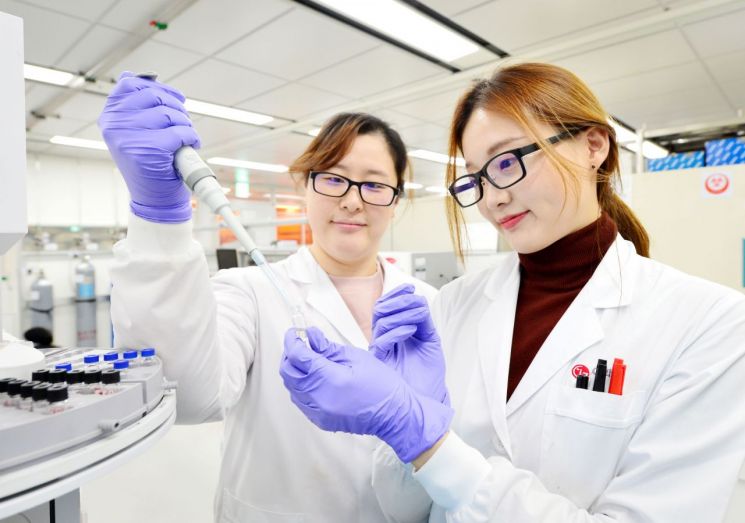
[Asia Economy Reporter Hwang Yoon-joo] Following the ESG (Environmental, Social, and Governance) management trend, the chemical industry is accelerating its efforts in the waste plastic pyrolysis oil business. Pyrolysis oil is a renewable fuel extracted from waste plastics and can be used as a raw material for producing new plastics.
LG Chem is constructing Korea's first supercritical pyrolysis oil plant in Dangjin, Chungnam, with an annual capacity of 20,000 tons, scheduled for completion by the first quarter of 2024. Once completed, the plant will extract naphtha, the most basic raw material, by pyrolyzing composite materials (OTHER) such as polyethylene (PE) and polypropylene (PP) found in discarded snack bags, instant rice plastic lids, and containers, which can then be fed back into petrochemical processes to produce new plastics.
This plant applies chemical recycling technology that decomposes waste plastics mixed with supercritical steam, a special heat source generated at temperatures and pressures exceeding the critical point of water. LG Chem explains that this method combines the solubility of liquids and the diffusivity of gases, making it useful for extracting specific substances.
Unlike technologies that apply heat directly, this pyrolysis process suppresses the formation of soot (carbon lumps), enabling continuous operation without separate maintenance. When about 10 tons of vinyl and plastic are input, more than 8 tons of pyrolysis oil can be produced, highlighting its productivity advantage.
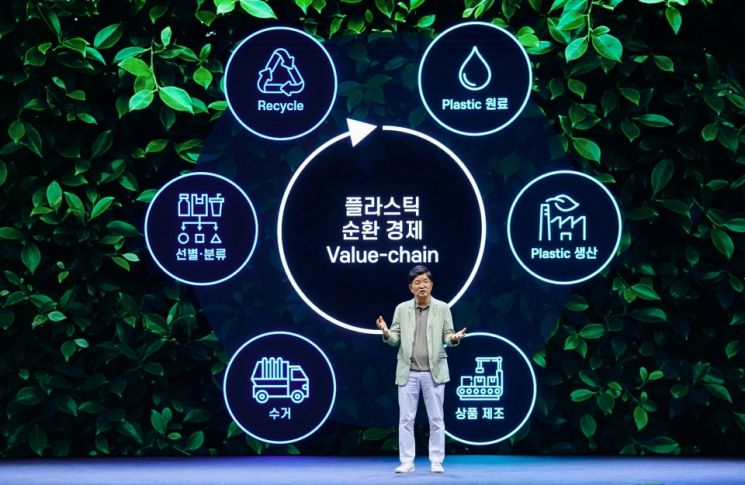
According to market research firms, the global chemical recycling market, based on pyrolysis oil extracted from waste plastics, is expected to grow from 700,000 tons in 2020 to 3.3 million tons by 2030, with an average annual growth rate of over 17%.
Previously, SK Innovation’s subsidiary SK Geocentric announced that it had used waste plastic pyrolysis oil as a raw material for chemical processes, marking the first time in Korea that products were produced using pyrolysis oil as a raw material. SK Geocentric is partnering with the U.S. pyrolysis specialist Brightmark to build a large-scale pyrolysis plant in Ulsan. The Ulsan pyrolysis plant is scheduled to begin commercial operations in 2024 and will be capable of processing 200,000 tons of waste plastics annually. Additionally, by 2025, a joint venture with the U.S. company PureCycle Technologies will be established to operate a polypropylene (PP) recycling plant. Once completed, the plant will enable recycling of PP products such as vehicle interior materials and delivery food containers.
A chemical industry official stated, "With ESG management and carbon neutrality, there is a growing trend to expand the share of eco-friendly recycling businesses from the traditional petroleum-centered business. It is expected that the waste plastic recycling market and profitability will gradually expand after 2024."
© The Asia Business Daily(www.asiae.co.kr). All rights reserved.
![User Who Sold Erroneously Deposited Bitcoins to Repay Debt and Fund Entertainment... What Did the Supreme Court Decide in 2021? [Legal Issue Check]](https://cwcontent.asiae.co.kr/asiaresize/183/2026020910431234020_1770601391.png)