[Seoul District News] Gwangjin-gu Fully Supports Quarantine Taxi Fees for Residents Moving from Life Treatment Centers to Self-Quarantine Locations; Simple Application with Form and Receipt... Dobong-gu Operates ‘Safe Lodging’ for Families of Home Treatment Patients... Gangbuk-gu Recruits Local Quarantine Job Participants... Generous Donations Now in Jongno... Dongjak-gu Offers 9.15% Discount on Car Tax Prepayment by Feb 3... Guro-gu Increases Veterans’ Benefits and Expands Funeral Services Nationwide
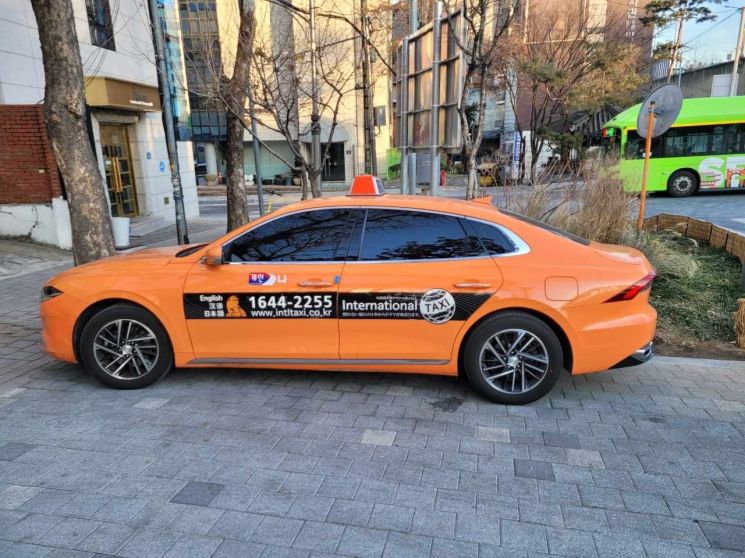
[Asia Economy Reporter Park Jong-il] Gwangjin-gu (Mayor Kim Seon-gap) will fully support the quarantine taxi fare for residents who are discharged early from the life treatment center and move to self-quarantine locations starting this month.
Due to the recent surge in COVID-19 cases causing a shortage of hospital beds, asymptomatic and mild patients among confirmed COVID-19 cases have shortened their stay at life treatment centers. As a result, some patients self-quarantine at home or other individual locations for the remaining days of the 10-day admission period.
In such early discharge cases, patients must use either private cars or quarantine taxis to move from the life treatment center to the self-quarantine location. However, quarantine taxi fares range from 40,000 to 100,000 KRW depending on distance and number of passengers, which has been a financial burden for many residents.
Therefore, the district will fully cover the quarantine taxi fare for residents discharged early from life treatment centers starting this month to reduce transportation costs and facilitate safe and convenient travel.
Applications for the subsidy can be made by visiting the Gwangjin-gu Office Transportation Administration Division in person or via email or fax. A receipt is required when applying, so residents must remember to keep the receipt after using the quarantine taxi. For further inquiries, detailed guidance is available at the Transportation Administration Division of Gwangjin-gu Office.
Kim Seon-gap, Mayor of Gwangjin-gu, said, “We hope this quarantine taxi fare support policy will provide some relief to residents physically and mentally strained by COVID-19. We will continue to implement effective policies and quarantine measures to overcome COVID-19.”
In this regard, the district is operating the first free safe accommodation in Seoul for families of home treatment patients, receiving great support from residents.
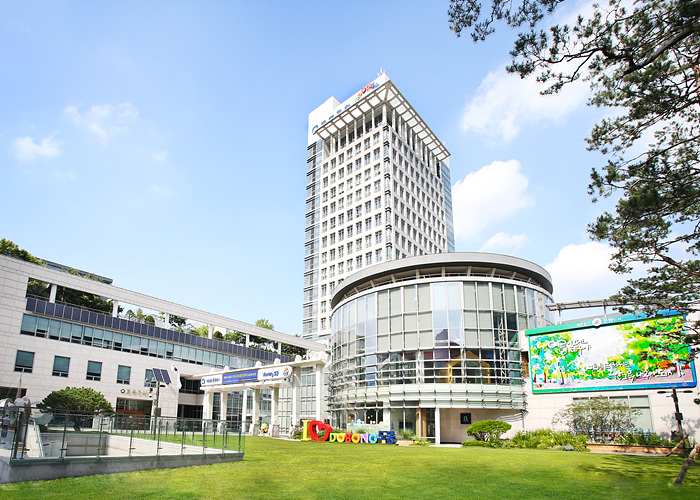
Dobong-gu (Mayor Lee Dong-jin) will operate safe accommodations for families living with home treatment patients starting January 2022.
The safe accommodations are provided to prevent secondary infections among family members who must quarantine for the same period (with an additional 10 days for those not fully vaccinated) while the home treatment patient isolates at home for 10 days.
Eligible users are Dobong-gu residents who are family members living with home treatment patients and meet the following conditions: ▲negative PCR test result ▲fully vaccinated ▲subject to passive monitoring. Minors must be accompanied by a guardian.
The safe accommodations can be used for up to 10 days during the home treatment patient’s isolation period. Family members who meet all conditions and wish to use the facility can apply through the Dobong-gu Public Health Center.
Dobong-gu signed a usage agreement with local lodging businesses on the 3rd to operate the safe accommodations.
Lee Dong-jin, Mayor of Dobong-gu, said, “We established safe accommodations exclusively for families of home treatment patients to alleviate their anxiety and help them return safely to daily life. We ask all residents to practice personal quarantine rules and actively participate in vaccination to help overcome COVID-19.”
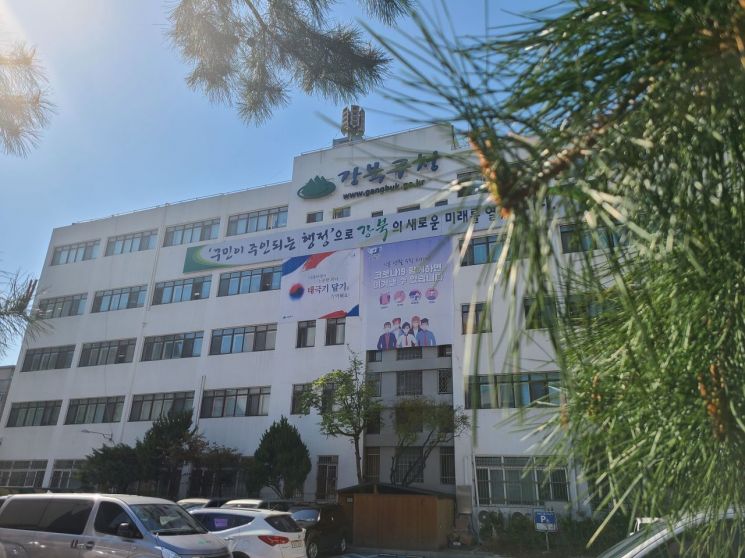
Gangbuk-gu (Mayor Park Gyeom-su) will recruit participants for local quarantine public jobs from the 17th to the 21st to prevent the spread of COVID-19 infectious diseases.
Recruitment is for two fields: facility quarantine and home treatment. The facility quarantine field will recruit 24 people who will provide daily quarantine services such as facility disinfection, temperature checks, and access control at community service centers within Gangbuk-gu. The home treatment field will recruit 4 people to assist with home treatment management at the Gangbuk-gu Public Health Center.
The work period is four months from March 2 to June 30. Workers will work 4 hours per day, and those aged 65 or older will work 3 hours per day. The hourly wage is 9,160 KRW, with an additional 5,000 KRW snack allowance.
Applicants must be residents of Gangbuk-gu as of the project start date, aged 18 or older with work ability, and members of households with income below 70% of the median income for two or more persons (120% for single-person households) and assets below 400 million KRW.
Applications can be submitted at the community service center of the applicant’s residence from the 17th to the 21st. Application forms and consent forms for personal information collection and use are available at the reception desk. Applicants must submit identification and documents proving eligibility for additional points. Eligible for extra points are ▲employment protection/support targets ▲female household heads ▲persons with disabilities and their families ▲single-parent families ▲North Korean defectors and marriage immigrant women. Selection results will be announced on February 25.
The recruitment announcement can be found on the Gangbuk-gu Office website’s notice board. For inquiries, contact the Job Support Team of the Job Economy Division at Gangbuk-gu Office.
Park Gyeom-su, Mayor of Gangbuk-gu, said, “We hope COVID-19 ends soon, and we will do our best to help residents remove masks by strengthening quarantine efforts. We will also strive to create higher-quality public jobs and stabilize employment.”
In Jongno-gu, sharing activities by residents, companies, and organizations willing to help neighbors in need are continuing throughout the year-end and New Year holidays.
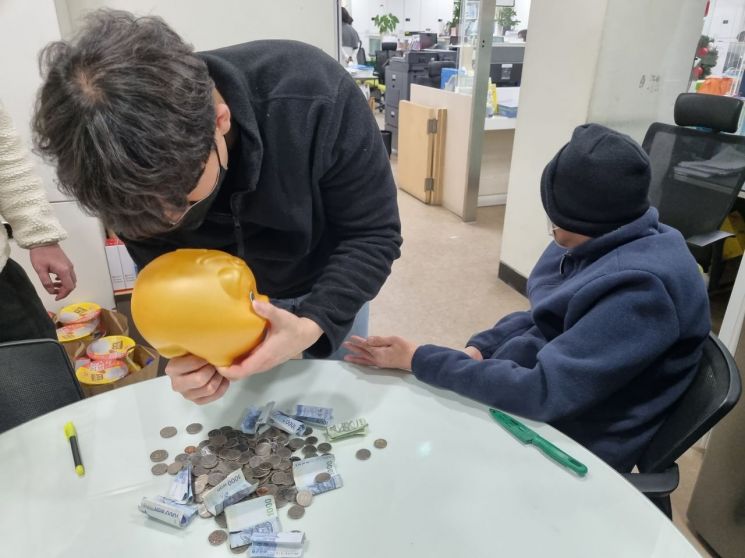
One notable donation story warms the winter in the shantytown where cold air lingers despite heating. This month, a donor visited the Jongno 1234-ga-dong Community Service Center holding a golden piggy bank.
The resident is a basic livelihood security recipient living in a shantytown who, despite not being financially well-off, collected 10, 50, and 100 KRW coins over six months, totaling 51,600 KRW, and handed it to the community center staff. (Photo)
While residents’ donations vary in size, this donation is especially meaningful as it comes from a shantytown resident enduring multiple hardships due to prolonged COVID-19 and cold waves.
It is also noteworthy that this is the donor’s second consecutive year of such a special and heartfelt contribution.
The community center staff reportedly gave a warm round of applause to the donor who handed over the collected amount and received the empty piggy bank back. The donation will be used meaningfully through the Jongno-gu Social Welfare Council.
Meanwhile, in Changsin 1-dong, a sponsorship relay for vulnerable residents continued last month and this month, adding warmth.
Donations and daily necessities were evenly distributed to 450 low-income and shantytown households by the Simmyeong Cultural Foundation, Mariette Wall Co., Ltd., and Dongmyo The Tuntun Clinic.
The Simmyeong Cultural Foundation provided 500,000 KRW each to 20 vulnerable households, including single-parent families. Mariette Wall Co., Ltd. donated 10 million KRW for elderly residents in difficult circumstances, enabling the community center to provide nutritious porridge to help seniors endure the winter safely.
Dongmyo The Tuntun Clinic, recognizing the need for support while observing patients visiting the hospital, donated 68 boxes of ramen. The Changsin 1-dong Saemaul Leaders Association delivered ramen and rice directly to vulnerable youth and elderly residents, continuing last year’s efforts.
Additionally, all employees of the Seoul Metro Dongmyo Operations Office united to send gift certificates for residents in the lower-income bracket, and the Jongno Central Saemaul Credit Union generously donated 1 million KRW in December to close out the year.
A district official said, “Regardless of the amount, we sincerely thank everyone who actively participated in sharing activities with a heart for neighbors in greater need. With the upcoming Lunar New Year, we will focus on carefully caring for vulnerable residents who may feel lonely and isolated during this time.”
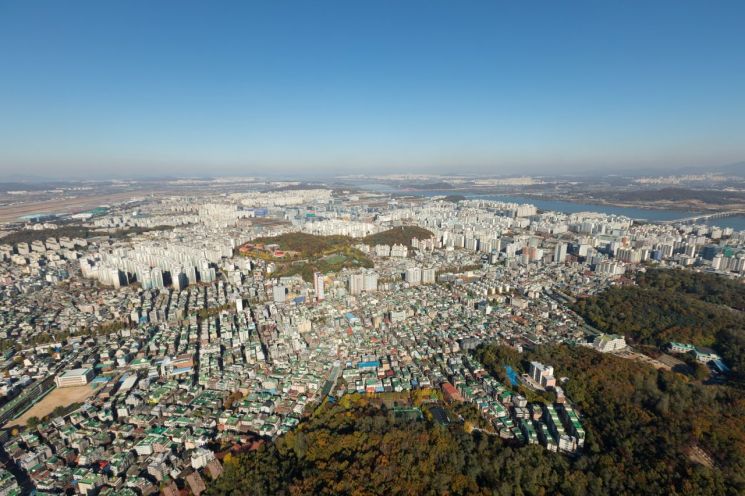
Gangseo-gu, Seoul (Mayor Noh Hyun-song) announced that it will implement the ‘Winter Welfare Blind Spot Crisis Household Discovery and Support Project’ until the end of February during the winter season.
The project aims to focus on discovering vulnerable households in urgent need and provide customized services to minimize welfare blind spots.
Recently, economic difficulties due to prolonged COVID-19 and the winter cold wave have reduced social interactions, leading to a series of deaths without neighbors’ attention or help.
Accordingly, the district will actively identify and support crisis households outside the welfare safety net.
The main targets for discovery are welfare marginalized groups who need but do not receive support from the government or local authorities, including ▲non-beneficiary households facing livelihood difficulties due to the COVID-19 economic downturn ▲single-person households living in poor housing conditions such as goshiwon, motels, and jjimjilbangs ▲households with electricity, water, gas cutoffs, or health insurance arrears ▲and other low-income households facing hardships.
In particular, the district will use the Ministry of Health and Welfare’s Social Security Information System to actively find hidden crisis households by analyzing four types of high-risk information: electricity, water, gas cutoffs, and health insurance arrears.
It will also utilize the Welfare Membership system, which analyzes individual and household income, assets, and personal characteristics to proactively guide eligible welfare services, thereby addressing welfare blind spots caused by lack of awareness.
Furthermore, administrative efforts will focus on discovering crisis households through public-private collaboration networks.
Public resources such as social welfare officials and integrated case managers, along with welfare community leaders, Dong Hope Dream Group, and Our Neighborhood Care Group, who know the local situation well, will play key roles in visiting vulnerable households and conducting regular welfare checks.
Based on the results of a survey on middle-aged and older single-person households in housing-vulnerable areas conducted since October last year, the district plans to actively discover and support socially isolated households at risk of solitary death.
For discovered marginalized groups, counseling will quickly determine eligibility for public support and encourage applications for public benefits such as the Basic Livelihood Security Program. Urgent support activities will be conducted for households in immediate need, and for those not eligible for public support but facing difficulties, support will be linked with local private resources.
Additionally, integrated case managers will monitor and manage households facing complex crises such as domestic violence and alcoholism intensively.
A district official said, “We will do our best to actively discover residents struggling with COVID-19 and cold weather and provide warm, customized welfare services. If you know neighbors in difficulty, please actively inform the district welfare policy division or the nearest community service center.”
The district was awarded the Minister of Health and Welfare’s Commendation last year as an excellent local government for winter crisis household discovery and support and for promoting community integrated care.
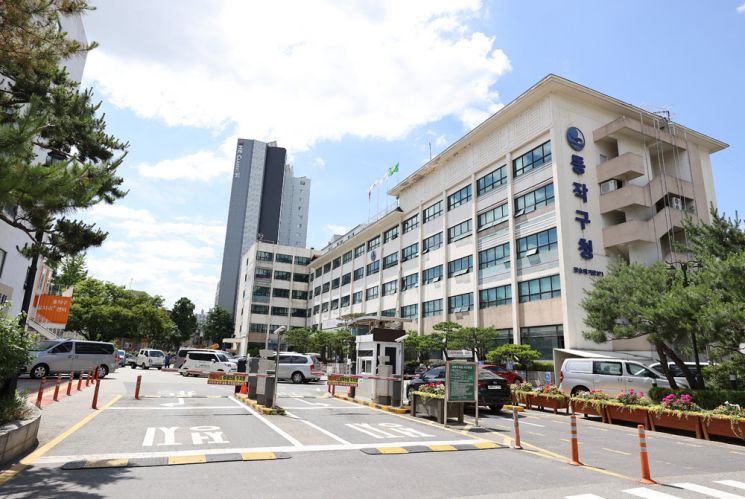
Dongjak-gu (Mayor Lee Chang-woo) announced that residents can pay their annual automobile tax in a lump sum by February 3 and receive a 9.15% deduction on the total tax amount to ease their financial burden.
The automobile tax annual prepayment system allows taxpayers to pay the automobile tax, normally due in June and December, all at once in January, March, June, or September, with a discount of 10% on the remaining period’s tax. The discount rate ranges from 9.15% to 2.5%, and this month’s rate is 9.15%.
Accordingly, taxpayers benefit from tax savings, and the district gains advantages such as reduced collection costs and early revenue collection.
Prepayment is optional, and tax bills are issued only to applicants. Applications for January prepayment must be submitted by the 31st. Taxpayers who prepaid last year will receive bills automatically without applying again, but those who transferred ownership or acquired new vehicles must apply separately.
Payment can be made conveniently via unmanned payment machines and ATMs at financial institutions, ARS, the Seoul tax payment system website, or the Seoul tax payment app (STAX).
If a vehicle is deregistered or ownership transferred after prepayment, a refund will be calculated on a pro-rata basis for the ownership period. If payment is not made by the deadline after application, regular taxes will be imposed in June and December.
Han Dae-hee, head of the Local Income Tax Division, said, “We hope many residents benefit from tax savings through the prepayment system during these difficult times due to COVID-19.”
Additionally, diesel vehicle owners who prepay the environmental improvement charge for the year from January 17 to February 3 can receive a 10% discount.
Meanwhile, vehicle owners must maintain mandatory automobile insurance and periodic inspections even if the vehicle is not in use to protect safety and property.
Mandatory insurance must be renewed annually, and failure to renew on time results in fines ranging from 15,000 KRW to 900,000 KRW depending on the number of days uninsured.
Periodic inspections are required every 4 years after new car registration for private vehicles, then every 2 years thereafter. For vans, trucks, and commercial vehicles, inspections are required every 1 year or 6 months depending on vehicle type and age.
Fines for delayed inspections are 20,000 KRW if within 30 days after expiration, with an additional 10,000 KRW every 3 days thereafter, up to a maximum of 300,000 KRW.
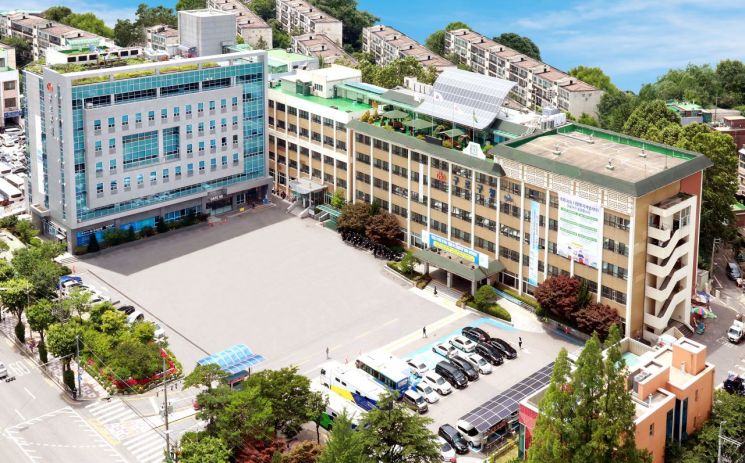
Guro-gu (Mayor Lee Sung) will increase the honorarium for national veterans and expand funeral services nationwide starting this year.
On the 13th, Guro-gu announced, “To enhance the honor and pride of those who sacrificed and contributed to the nation and support their livelihood stability, we have decided to strengthen the honor and support for national veterans.”
First, the monthly honorarium paid to national veterans will be raised from the current 30,000 KRW to 50,000 KRW.
Guro-gu’s national veterans include independence activists, national veterans, war veterans, special mission veterans, May 18 Democratic Movement merit recipients, and those diagnosed with Agent Orange aftereffects (graded), as well as one senior surviving family member holding a survivor certificate.
Funeral services will also be expanded from the metropolitan area to nationwide funeral hall support. Since last year, Guro-gu has been providing funeral supplies expressing respect and gratitude when national veterans pass away.
The district provides surviving family members with 27 types of funeral convenience items, including toiletries, towels, socks, condolence money bags, and a Guro-gu condolence flag, along with consulting services from funeral directors affiliated with professional funeral companies.
Applications can be made by phone during weekdays from 9 a.m. to 6 p.m. at the Welfare Policy Division of the district office, and during weekday nights and holidays at the comprehensive situation room.
Guro-gu’s funeral support service for national veterans can be used simultaneously with the national veterans’ funeral service provided by the Ministry of Patriots and Veterans Affairs.
A Guro-gu official said, “We will do our best to ensure that national veterans and their families who sacrificed and contributed to the nation live with greater respect and honor.”
Additionally, Guro-gu provides 200,000 KRW consolation money to surviving family members who apply within one year of the death of a national veteran who lived in the district for more than one year, and consolation money of 20,000 KRW three times a year (Lunar New Year, Patriots and Veterans Month, Chuseok) to national veterans.
© The Asia Business Daily(www.asiae.co.kr). All rights reserved.



















