First-Time Homebuyers: Decrease in Seoul, Increase in Gyeonggi and Incheon
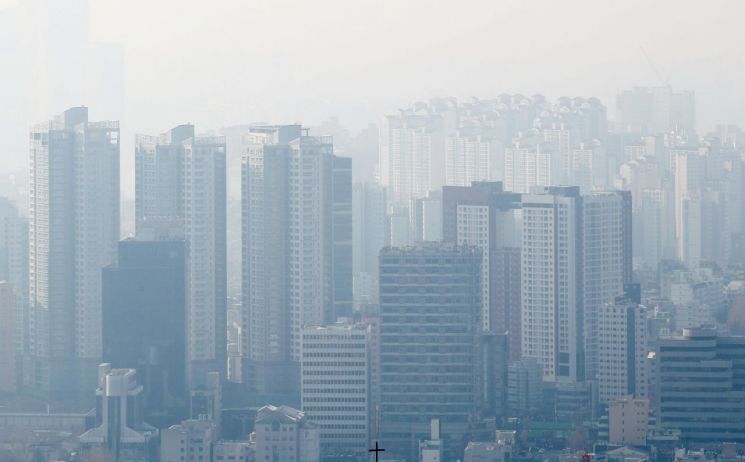
Last year, the number of first-time homebuyers in the Seoul area decreased. On the other hand, the number increased in the Seoul metropolitan area outside of Seoul, such as Incheon and Gyeonggi Province. This is interpreted as a result of the ‘panic buying’ by the 2030 generation due to the soaring housing prices in Seoul, which drove demand to relatively more affordable nearby areas.
According to the ‘Ownership Transfer Registration (Sales) Application Buyer Status’ from the Court Registry Information Plaza on the 5th, the number of first-time real estate buyers nationwide last year was 681,882. This is a 3.2% decrease compared to 704,355 the previous year. In the Seoul area, the number was 89,574 last year, down about 8% from 97,443 the previous year. This is understood to be due to the skyrocketing housing prices and the weakening purchasing power of buyers caused by government loan regulations.
On the other hand, the number of first-time real estate buyers in Incheon and Gyeonggi Province actually increased. In Incheon, it rose from 41,482 in 2020 to 47,498 last year, and in Gyeonggi Province, it increased from 218,050 to 220,031 during the same period.
The regional share of first-time real estate buyers also follows the same trend. Seoul’s share decreased from 13.8% in 2020 to 13.1% last year, while Incheon’s increased from 5.9% to 7.0%, and Gyeonggi’s from 31.0% to 32.3%. In particular, Seoul’s share dropped from 15.6% in 2017, the first year of the Moon Jae-in administration, to 13.1% last year, whereas Incheon’s share rose from 5.9% to 7.0%, and Gyeonggi’s from 27.7% to 32.3% during the same period.
This phenomenon is analyzed as an effect of the 2030 generation’s panic buying spreading to areas adjacent to Seoul due to the surge in apartment prices in Seoul. According to the apartment transaction status in the metropolitan area from January to November last year, released by the Ministry of Land, Infrastructure and Transport and the Korea Real Estate Board, the purchase share of the 2030 generation in the entire metropolitan area was the highest since related statistics were first published in 2019. From January to November, the share of buyers aged 30 and under in Incheon and Gyeonggi was 33.2% and 36.2%, respectively, about 7 percentage points higher than the same period last year.
© The Asia Business Daily(www.asiae.co.kr). All rights reserved.












