Most vaccines are effective in preventing severe cases
Only Moderna and Pfizer prevent infection itself
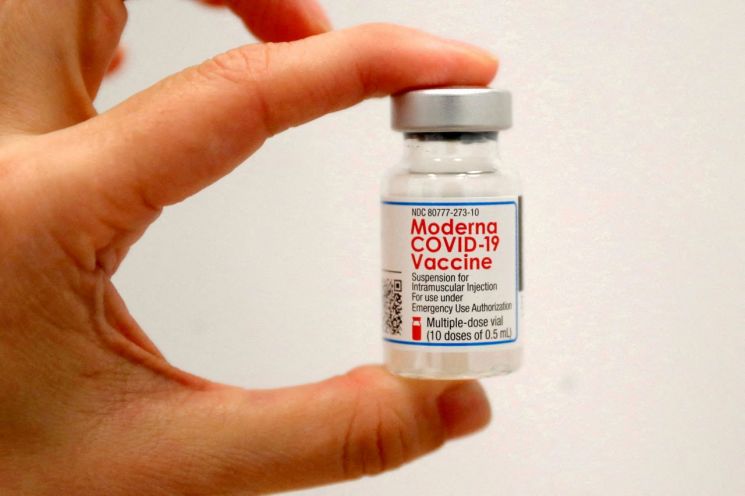
[Asia Economy Reporter Kwon Jae-hee] A study has found that most COVID-19 vaccines (mRNA), excluding those developed by Pfizer and Moderna, have reduced effectiveness in preventing the Omicron variant.
Concerns have been raised that this disparity in vaccine efficacy could prolong the pandemic, as most countries, except advanced nations, have built vaccination programs primarily based on non-mRNA vaccines.
According to the New York Times (NYT) on the 19th (local time), preliminary studies increasingly show that most vaccines, excluding Pfizer and Moderna, such as AstraZeneca, Johnson & Johnson (a Janssen subsidiary), and vaccines from China and Russia, fail to prevent infection from the Omicron variant.
All types of COVID-19 vaccines provide excellent protection against severe illness from the new Omicron variant but do not prevent infection itself.
With billions still unvaccinated, the rise in Omicron infections threatens vulnerable groups and may increase the likelihood of new variants emerging. At the same time, news about vaccine efficacy against Omicron could reduce vaccine demand in developing countries.
So far, research results show that Pfizer and Moderna vaccines, which apply new mRNA technology, consistently provide optimal protection against infection from all variants.
However, the effectiveness of Chinese vaccines such as Sinopharm and Sinovac in preventing Omicron variant infection is close to zero. These vaccines account for about half of the global vaccine supply and are widely used in middle- and low-income countries including China, Mexico, and Brazil.
The AstraZeneca (AZ) vaccine was found to provide no protection against Omicron variant infection six months after vaccination. Ninety percent of vaccine recipients in India received this vaccine, and the global vaccine supply program COVAX distributed 67 million doses to 44 countries in sub-Saharan Africa.
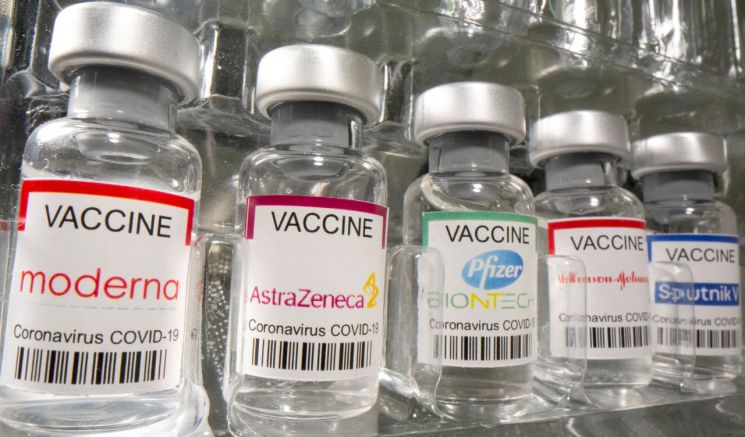
Researchers also believe that Russia's Sputnik vaccine likely offers very low protection against the Omicron variant. This vaccine is used in Africa and Latin America.
The Johnson & Johnson vaccine, which is administered as a single dose and has seen surging demand in Africa, also showed minimal ability to prevent Omicron variant infection.
John Moore, a virologist at Weill Cornell Medicine in the U.S., said, "So far, the hope is that Omicron appears less deadly than Delta," adding, "The first protection lost is against mild infection, while protection against severe disease and death is much better maintained."
However, J. Stephen Morrison, director of the Global Health Policy Center at the Center for Strategic and International Studies (CSIS), pointed out that this alone is not enough to prevent global chaos.
He explained that breakthrough cases may be asymptomatic or mild but can transmit the virus to unvaccinated individuals, who are at risk of more severe illness and could become sources of new variants.
Dr. Seth Berkley of Gavi, the Vaccine Alliance, emphasized that although more data is needed, accelerating vaccination must remain central to pandemic response efforts.
Early studies from South Africa indicate that people previously infected with COVID-19 have a higher chance of reinfection with the Omicron variant. However, some public health experts suggest that countries like Brazil and India, where COVID-19 has already spread widely, may have a buffer against Omicron, and that vaccination after infection significantly boosts antibody levels.

However, many Latin American countries rely heavily on Chinese, Russian, and AZ vaccines, and there are concerns that initial reports suggesting high vaccination rates do not lead to severe Omicron cases may be causing complacency.
Morrison stated, "The vaccine evasion ability of the Omicron variant is a huge setback for low- and middle-income countries." These countries are still far from discussing booster shots and remain focused on primary vaccinations.
Only 13% of people in Africa have received at least one vaccine dose.
In India, Dr. Lakshminarayan reported that while the government is considering booster shots, the Delta variant still poses a significant threat, presenting a difficult choice between focusing on first and second doses or administering boosters to the elderly and high-risk groups.
He also expressed concern that news of non-mRNA vaccines being nearly ineffective against Omicron could weaken vaccination demand in countries already struggling to generate demand.
Tolbert Ngens and senior researchers at Johns Hopkins Bloomberg School of Public Health said the new threat to Southern Hemisphere countries relying on non-mRNA vaccines is the result of wealthy countries failing to share vaccine technology or assist in building production facilities in low- and middle-income countries.
As a result, dangerous variants will continue to emerge in regions with low vaccination rates, prolonging the COVID-19 pandemic, Ngens and colleagues predicted.
Dr. Berkley warned that relaxing vaccination efforts or assuming only mRNA vaccines are worth administering would be a serious mistake. He said, "We could see a situation where 'if advanced countries don't want this vaccine, neither do we.'"
© The Asia Business Daily(www.asiae.co.kr). All rights reserved.
![Clutching a Stolen Dior Bag, Saying "I Hate Being Poor but Real"... The Grotesque Con of a "Human Knockoff" [Slate]](https://cwcontent.asiae.co.kr/asiaresize/183/2026021902243444107_1771435474.jpg)


















