Ministry of Environment Issues Research Contract for 'Strengthening Management Measures of Dioxin Emission Facilities'
1,092 Dioxin Emission Facilities
Actual Inspections Limited to About 140 Sites Annually Due to Workforce Constraints
'Optimal Operation Guidelines' to Be Established Through Analysis of Operation Logs
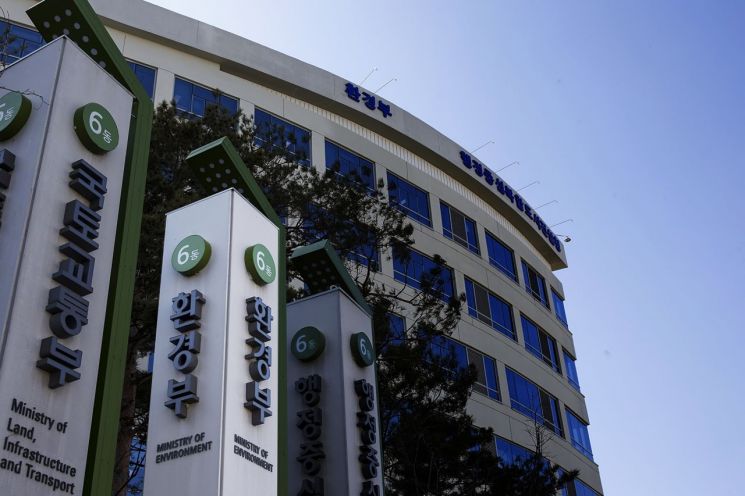
[Sejong=Asia Economy Reporter Joo Sang-don] The government is pushing to build a database (DB) on dioxin emission facilities, which are classified as Group 1 carcinogens. The goal is to identify the incineration methods and prevention facilities of dioxin emission sites in advance and, based on this, select business sites with a high likelihood of emitting dioxins above the standard limits to strengthen management of these sites.
According to the Public Procurement Service's Nara Marketplace on the 30th, the Ministry of Environment recently announced a research project titled "Measures to Strengthen Management of Dioxin Emission Facilities." The contract period is one year from the date of agreement, with a project budget of 250 million KRW.
An official from the Ministry of Environment explained, "Since verifying compliance with laws for dioxin emission facilities requires sampling and analysis, there are limitations in inspecting many business sites due to manpower, equipment, and time constraints. Therefore, it is necessary to diversify inspection methods by selecting suspicious sites through analysis of operation logs of emission facilities and to secure the effectiveness of self-measurements, thereby strengthening management measures for dioxin emission facilities."
The Ministry of Environment currently inspects about 140 to 150 of the 1,092 dioxin emission facilities nationwide each year. The remaining facilities conduct self-inspections once every six months to two years, depending on their hourly processing capacity.
However, during the recent National Assembly audit, concerns were raised about the effectiveness of these self-inspections. According to Jang Cheol-min, a member of the Environment and Labor Committee of the National Assembly from the Democratic Party, a waste incineration facility in Wando-gun, where the dioxin permissible limit is 5 (ng-TEQ/S㎥), reported 0.021 (ng-TEQ/S㎥) during self-inspection, but the Ministry of Environment's inspection a year later showed a sudden increase to 24 (ng-TEQ/S㎥), which is 1,150 times higher.
In response, the Ministry of Environment has begun preparing measures to enhance the effectiveness of inspections on dioxin emission facilities. First, through this research project, the Ministry plans to build a DB related to the operation and management of dioxin emission facilities. It will organize information on incineration methods, types of prevention facilities, and air pollution control facility management for all 1,092 emission sites. This will enable the selection of business sites with a high risk of exceeding emission standards for focused inspections.
Additionally, the Ministry will promote measures to inspect and improve management of facilities with high concentrations of dioxin emissions. By analyzing the operational status of sites that violated emission limits during inspections and self-measurements, the causes of exceeding standards will be identified and management plans developed. The analysis will also include discrepancies between measured concentrations and self-measured concentrations, facility aging, and the technical expertise of facility operators. Waste management plans for small to medium-sized incinerators with high dioxin emissions will also be reviewed.
Alongside this, the Ministry will explore establishing appropriate operation guidelines and inspection methods through analysis of operation logs of dioxin emission facilities. This involves analyzing operation logs focusing on incineration facilities, including input amounts relative to facility size, use of activated carbon in prevention facilities, replacement of dust filters, and auxiliary fuel usage, to develop proper operation guidelines.
The Ministry of Environment plans to use the results of this research project to improve regulations or establish appropriate operation guidelines. An official stated, "Since it is difficult to inspect all 1,000-plus dioxin emission facilities, we will build a DB to select facilities of concern and strengthen management of these sites. Based on the research results, we plan to improve related regulations such as the Persistent Organic Pollutants Control Act or create operation guidelines that minimize dioxin emissions."
© The Asia Business Daily(www.asiae.co.kr). All rights reserved.

















