[Seoul Autonomous District News] Average Daily COVID-19 Cases About 64; Mainly Occurring Among Unvaccinated Children, Adolescents, and Elderly; Additional Cooperative Hospitals Designated and Workforce Reinforced Due to Surge in Home Treatment Patients... Seongdong-gu Deploys 12 Care SOS Nurses for COVID-19 Home Treatment Patient Monitoring... Eunpyeong-gu Temporarily Suspends Parking Enforcement from 6 to 9 PM Until June Next Year... Gangseo-gu Advances ‘Yes Zone for Developmentally Disabled’ Project Within the Community
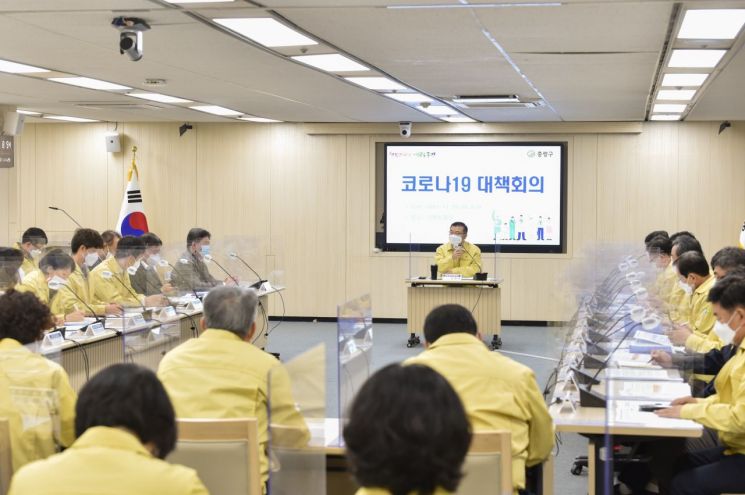 On the morning of the 29th, Ryu Kyung-gi, Mayor of Jungnang-gu, presided over an emergency COVID-19 countermeasure meeting at the Planning Situation Room of Jungnang-gu Office.
[Asia Economy Reporter Park Jong-il] As the risk level of the COVID-19 outbreak has reached a very high stage, Jungnang-gu (Mayor Ryu Kyung-gi) held an emergency COVID-19 countermeasure meeting together with related organizations.
Last week, the average daily number of confirmed cases in the area approached about 64, with an increase in confirmed cases among unvaccinated children and adolescents and the elderly whose vaccine effectiveness has decreased.
The meeting was held with the participation of related organizations including Jungnang Fire Station, Jungnang Police Station, Seoul Medical Center, Green Hospital, and Dongbu Jeil Hospital, focusing on reviewing the current response status and plans and discussing additional measures together.
The district first decided to designate Dongbu Jeil Hospital as a cooperating medical institution in addition to Seoul Medical Center due to the rapid increase in home treatment patients, and to increase response personnel such as nurses. They plan to promptly proceed with bed allocation and ambulance dispatch requests by establishing a hotline through a dedicated team and 24-hour emergency call operation.
Also, for residents and workers in nursing hospitals and care facilities who have reached four months after completing vaccination and have consented, a visiting vaccination team composed of doctors and nursing staff will complete vaccinations by the 30th and encourage additional vaccinations for those aged 50 and over through text messages and promotional materials.
Preemptive testing will be strengthened in infection-vulnerable facilities. Rapid antigen test kits will be distributed to nursing hospitals, rehabilitation hospitals, and facilities by mid-next month to actively respond to preventing the spread of group infections among vulnerable groups.
In December, when gatherings and meetings are expected to increase, a government joint special inspection will be conducted to check mask-wearing, registry management, compliance with business hours, verification of quarantine passes, restrictions on unvaccinated users, and distancing between tables.
Mayor Ryu Kyung-gi of Jungnang-gu said, “We ask those eligible for additional vaccinations such as the elderly to promptly receive the third dose, and parents of children and adolescents to actively participate in vaccination,” adding, “To maintain the recovered daily life, we ask all residents to cooperate by strictly following quarantine rules such as wearing masks, ventilation, and conducting selective testing.”

Seongdong-gu (Mayor Jung Won-oh) has decisively deployed Seongdong-gu Care SOS nurses to monitor COVID-19 home treatment patients starting from the 27th of this month.
The district, which had proactively prepared measures to expand personnel related to home treatment since last month, decided to include 12 Care SOS nurses in the patient health monitoring personnel due to the recent surge in confirmed COVID-19 cases and home treatment patients, which has increased the workload at health centers and made rapid response to emergencies more important.
Accordingly, the nurses supporting health services at the Care SOS Center will be deployed when the number of home treatment patients increases to 100, conducting health monitoring of home patients by neighborhood twice a day.
Through the home treatment app, they will check the temperature and oxygen saturation measurements of home patients by neighborhood, conduct once-daily phone monitoring, notify the health management team at the health center if abnormalities are found, and forward other complaints to the dedicated home treatment team.
Furthermore, following the announcement of special quarantine measures on the 29th (’21.11.29), an emergency executive meeting was held to discuss specific plans for postponing the second phase of daily recovery and implementing special quarantine measures for four weeks.
In-depth discussions were held on vaccination plans including expanding home treatment targets, early completion of the third dose, adolescent vaccination, and vaccination review for children aged 5 to 12. According to the Central Disaster and Safety Countermeasure Headquarters guidelines, all confirmed COVID-19 patients will be treated at home by default, with hospital beds allocated only for specific reasons such as hospitalization needs, and the patient classification and bed allocation process will be conducted systematically and promptly.
The already operating dedicated home patient team will be managed more efficiently, systematically managing home patients, and plans are being made to increase dedicated personnel such as Care SOS nurses when the number of home treatment patients exceeds a certain level. Delivery using quick services for prescriptions on weekends and nights is also being considered, and detailed plans are being established and operated in response to the increase in COVID-19 confirmed cases.
Mayor Jung Won-oh of Seongdong-gu said, “We thank the residents who have actively cooperated with quarantine rules during the prolonged COVID-19 situation,” and emphasized, “We will exert administrative power appropriately according to the situation to ensure that the efforts of all those participating in quarantine and dedicating themselves on the front lines are not in vain, and do our best to promote proactive and meticulous quarantine measures.”
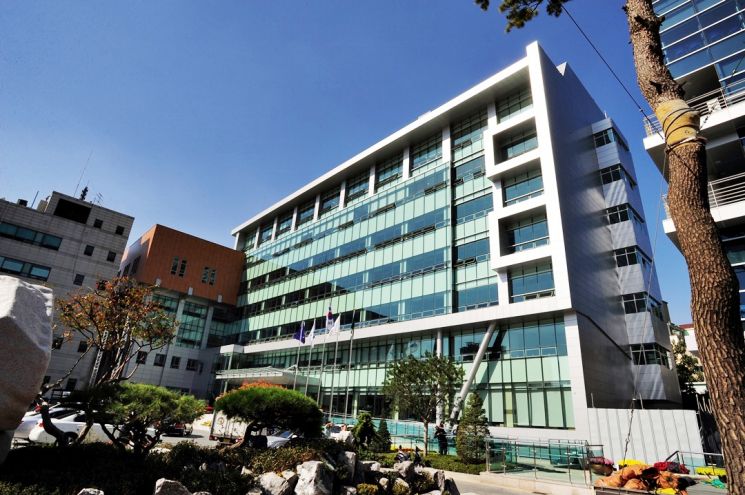
Eunpyeong-gu (Mayor Kim Mi-kyung) has decided to temporarily suspend parking enforcement from 6 p.m. to 9 p.m. from December until June 2022.
This is a measure to support small business owners and self-employed people whose livelihoods have become difficult due to COVID-19, as well as residents struggling with the frozen economy.
The district is preparing various revitalization measures that small business owners and self-employed people can feel directly to achieve phased daily recovery, stating that revitalizing the depressed local economy is the first step, and plans to actively discover various related projects to overcome COVID-19.
In the transportation sector, they are actively implementing a pre-notification system for illegal parking enforcement and suspending parking enforcement around five traditional markets (Yeonseo, Daejo, Daerim, Sin-eungam, Jeungsan markets) and restaurant areas during lunchtime. With the expansion of the temporary suspension to the evening hours from 6 p.m. to 9 p.m., it is expected to contribute to revitalizing the depressed local economy.
Small business owners and self-employed people who have gone through difficult times due to COVID-19 have continuously submitted complaints requesting parking enforcement suspension. In particular, residents in some areas such as Jeungsan-dong ○○ Apartment, Yeokchon Elementary School in Yeokchon-dong, and around Bakseokgogae in Bulgwang-dong have earnestly expressed many difficulties in their livelihoods.
Along with this temporary suspension, following the amendment of the Road Traffic Act, a complete ban on parking and stopping in school zones has been enforced since October 21. The district is planning active administration in cooperation with related departments to protect the “safety of dream children” by expanding parking enforcement CCTV using existing security CCTV, achieving a budget reduction effect of about 1.4 billion KRW and making the best efforts to establish traffic order.
Eunpyeong-gu currently has 75 school zones (30 elementary schools, 1 special school, 15 daycare centers, 29 kindergartens), with 50 cameras installed and operated in 35 locations. Utilizing 188 security CCTV cameras installed in 40 locations within school zones, from December, they will set up 16 pilot zones (14 school zones and 2 Eunpyeong Hanok Village locations), conduct administrative notice, and collect residents’ opinions to pilot install and operate.
The remaining 26 uninstalled areas will be installed and the expansion project completed by the first half of 2022.
Before the temporary suspension of parking enforcement, the district stated that it will make every effort to secure smooth traffic flow together with residents through various promotional activities such as on-site visits and guidance on subscribing to parking enforcement text alert services.
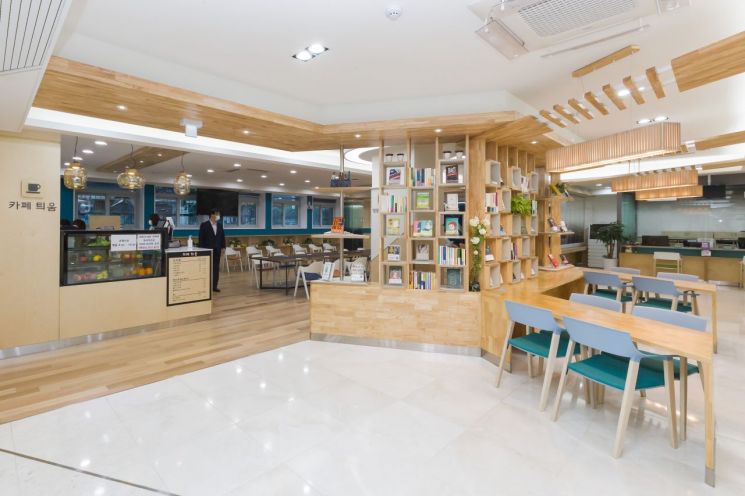
Yeongdeungpo-gu (Mayor Chae Hyun-il) won the grand prize at the ‘3rd Local Government Social Economy Policy Evaluation’ jointly hosted by the Ministry of Employment and Labor and the National Network for Social Economy Activation.
This evaluation was conducted to enhance understanding of the current and future development directions of social economy policies and to reward local governments with excellent business performance to contribute to the establishment of better social economy policies.
Applications were accepted from local governments nationwide, and based on 14 indicators in four categories?social economy policy infrastructure, support level, policy evaluation, and governance?a total of four local governments including Yeongdeungpo-gu were awarded.
Since establishing the Social Economy Division under the Future Vision Promotion Team in 2019, Yeongdeungpo-gu has focused on the growth and spread of social value based on the region through various social economy activation projects that residents can feel.
They have actively promoted distinctive policy projects where residents and social enterprises can grow together, such as developing the social economy joint brand ‘Popogre’ (registered trademark in August 2020), nurturing social venture teams solving local problems, job-creating resident technology schools, communal living in apartment complexes, creating the Dangsan-dong living commercial district, and the Yeongdeungpo Market Station social economy platform project.
Efforts to solve various problems arising in the local community through social economy were also notable. The district strengthened community capabilities to enable residents to solve local issues such as alley environment, parking, care, and jobs by themselves, further fostering and supporting social economy organizations and leading the realization of social economy in daily life.
As a result of these efforts, the number of social enterprises increased from 43 in 2019 to 86 (as of June 2021), contributing to improving residents’ quality of life by creating new jobs and expanding social services through social economy activation.
Mayor Chae Hyun-il said, “Since establishing the department in 2019, we have promoted various region-centered projects aiming to realize social value together with residents,” and added, “We will continue to strive to realize a transparent Yeongdeungpo by allying and cooperating with residents and social enterprises to activate social economy.”
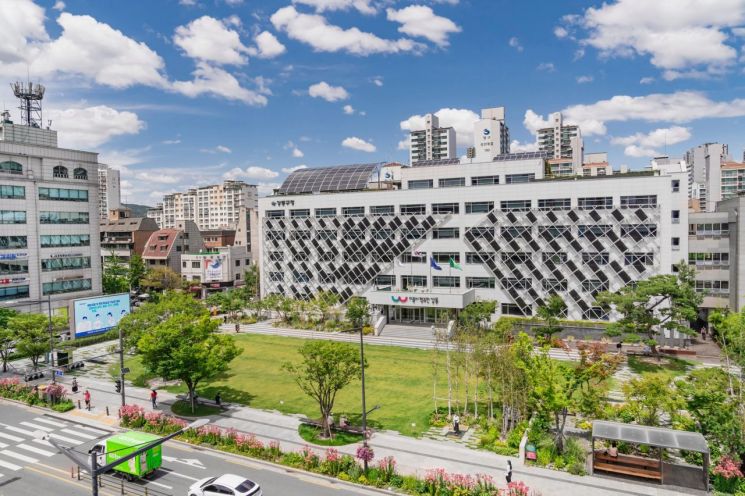
Gangdong-gu (Mayor Lee Jung-hoon) won the Encouragement Award at the ‘2021 Metropolitan Area Regional Statistics Policy Utilization Contest’ hosted by the Gyeongin Regional Statistics Office for ‘Regional Currency Artificial Intelligence Big Data Analysis.’
This contest was held to discover and share excellent cases using regional statistics and to strengthen awareness of the importance and activation of regional statistics, targeting metropolitan wide and basic local governments.
Gangdong-gu is an exceptional local government that issues both rechargeable prepaid card-type regional currency and mobile regional currency. Through data analysis of ‘Gangdong Bitsal Money’ and ‘Gangdong Love Gift Certificates,’ they compared and analyzed the characteristics between the two types of regional currency, applying artificial intelligence (AI) algorithms to about 2 million charging and payment transaction data to reveal economic effects and payment patterns within the region.
Mayor Lee Jung-hoon said, “The district is promoting AI and big data self-analysis in policy fields,” and added, “We will continue to solve residents’ inconveniences and provide convenient smart administrative services through regional statistics analysis and utilization.”
Gangdong-gu previously won the Excellence Award at last year’s regional statistics policy utilization contest for ‘Big Data Portal Self-Development and Operation,’ and with this year’s Encouragement Award, it has been selected as an excellent local government in big data utilization for two consecutive years.
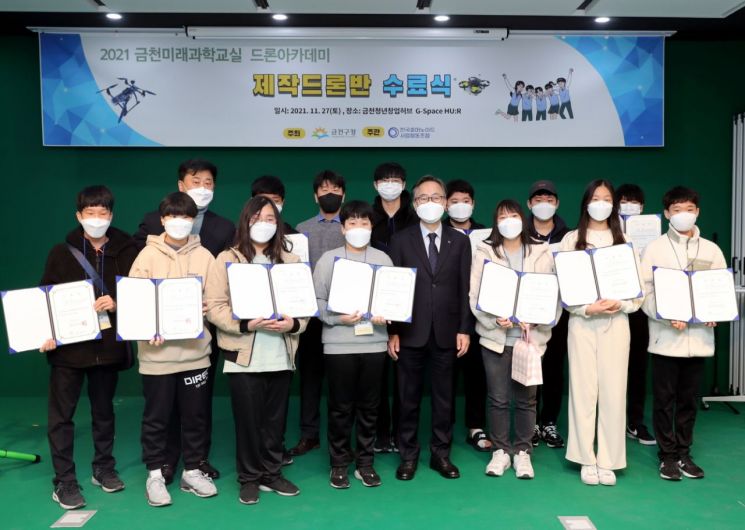
Geumcheon-gu (Mayor Yoo Sung-hoon) held a completion ceremony for the Geumcheon Future Science Classroom Drone Production Class on the 27th at G Campus in Doksan-dong (152 Beotkkot-ro).
The ‘Drone Production Class’ is a course where middle and high school students interested in drones can assemble drone bodies themselves and experience the final flight test. It was operated every Saturday from October 2 at G Campus in Doksan-dong, producing 18 graduates.
With this, the total number of graduates from the Geumcheon Future Science Classroom reached 121, including 88 elementary school students who completed the ‘Creative Science Class’ on November 4 and 15 middle and high school students in the ‘Coding Drone Class.’
The ‘Geumcheon Future Science Classroom’ is part of the Geumcheon-gu Innovation Education District project, aimed at supporting local elementary, middle, and high school students to increase understanding and interest in science and grow into talents for the 4th Industrial Revolution era. The next recruitment schedule will be announced on the Geumcheon-gu Office website in the first half of 2022.
Mayor Yoo Sung-hoon said, “An era where artificial intelligence and drones become everyday life has come with the 4th Industrial Revolution, and such scientific development starts from curiosity about science and technology,” adding, “We will continue to promote various educational projects so that our youth can easily access and experience science.”
Gangseo-gu, Seoul (Mayor Noh Hyun-song) is becoming a disability-friendly city.
The district announced that it has promoted the ‘Developmental Disability Yes Zone, Into the Village’ project to create a developmental disability-friendly village base so that people with developmental disabilities can live together as members of the community without negative prejudice.
The ‘Developmental Disability Yes Zone, Into the Village’ project discovers ‘Yes Zones,’ which are institutions and stores friendly to people with developmental disabilities, operates programs to build consensus for changing perceptions about developmental disabilities, and creates a village environment where people with developmental disabilities can live comfortably.
Perceptions of developmental disabilities vary but are often negative, causing problems. In various places in the village, people with developmental disabilities are sometimes denied or unable to even attempt to enjoy basic things they should have.
Therefore, the district decided to promote this project to create a beautiful village atmosphere where people with and without developmental disabilities live together harmoniously.
First, in cooperation with the local social welfare organization ‘Sharing and Connection Together,’ they actively discovered developmental disability-friendly institutions and stores designated as Yes Zones where people with developmental disabilities can use more comfortably.
They recruited and trained 10 activists to participate in discovering Yes Zones, who visited various places in the region and designated 40 institutions and stores as Yes Zones.
For the discovered institutions and stores, they naturally induced changes in perception about developmental disabilities, which may feel unfamiliar, through education on understanding developmental disabilities.
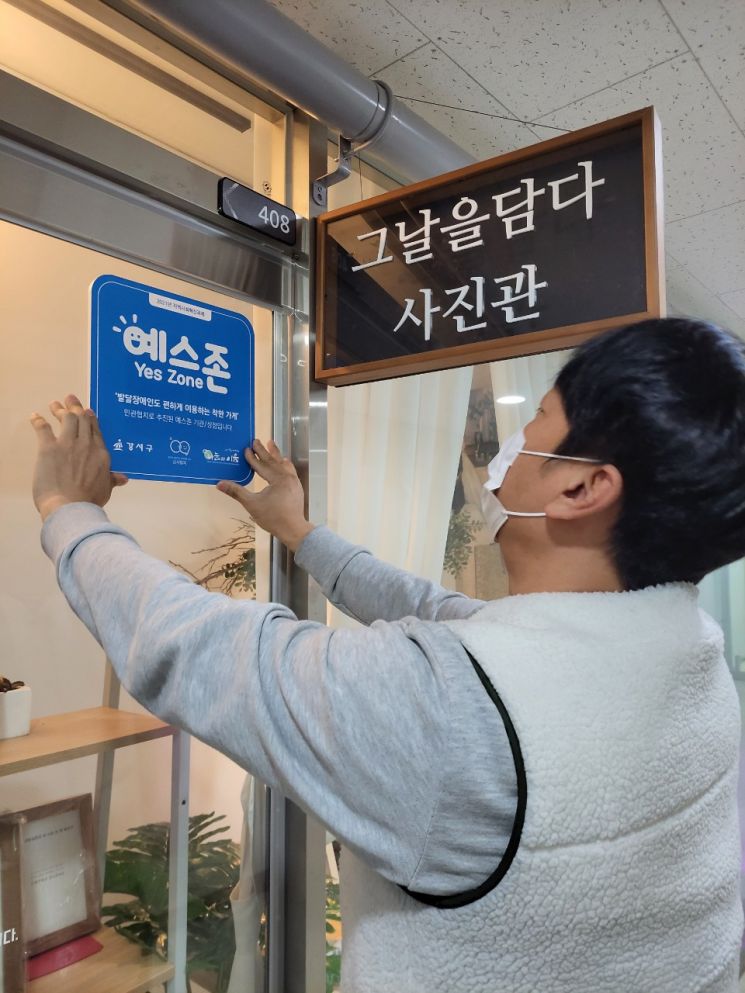
Also, plaques indicating Yes Zones were installed to make it easier for people with developmental disabilities to use them comfortably.
The district plans to continuously manage and expand Yes Zones and carry out various projects so that people with developmental disabilities can live together in the community.
An official from the district said, “We hope this project will be an opportunity to lower environmental and psychological barriers felt by people with disabilities in daily life,” and added, “We will do our best to enable people with developmental disabilities to live together as members of the community.”
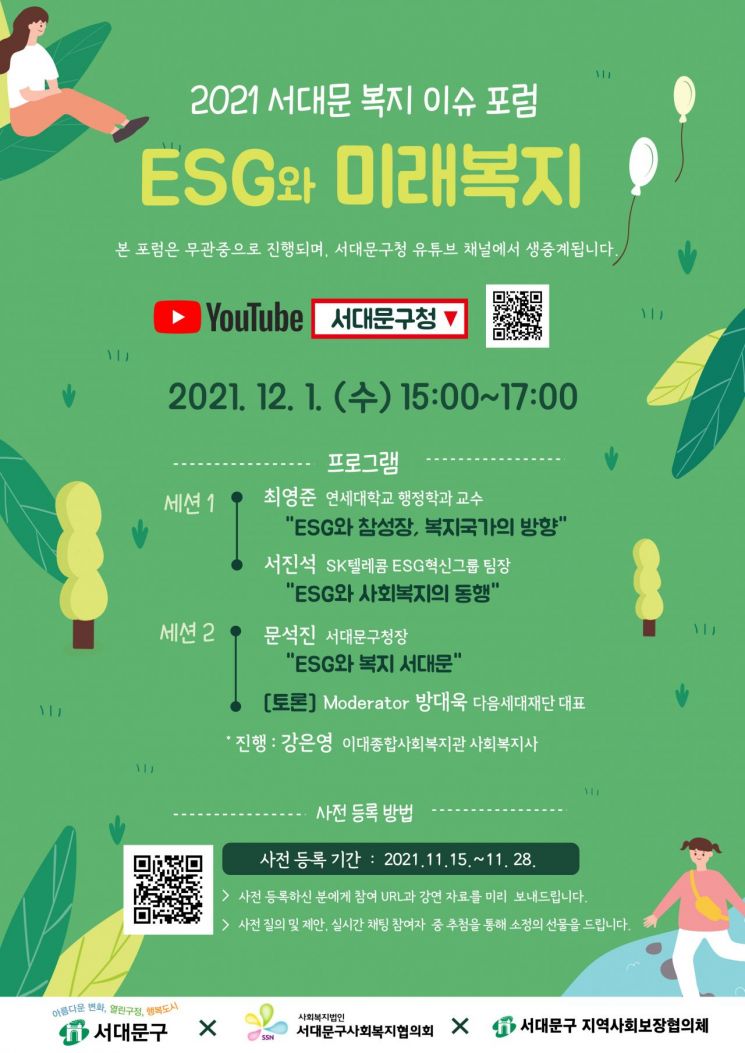
Seodaemun-gu (Mayor Moon Seok-jin) will hold the ‘2021 Seodaemun Welfare Issue Forum ? ESG and Future Welfare’ on December 1 from 3 to 5 p.m. in the 6th-floor auditorium of the district office to find the intersection of ESG (Environment, Social, Governance) and social welfare and explore practical measures.
On the day, Professor Choi Young-jun of Yonsei University’s Department of Public Administration will give a lecture titled ‘ESG and True Growth, Direction of the Welfare State,’ and Team Leader Seo Jin-seok of SK Telecom’s ESG Innovation Group will speak on ‘ESG and Social Welfare Together.’
Following this, Mayor Moon Seok-jin will introduce cases such as the ice pack sharing project linked to senior jobs, the creation of the barrier-free trail in Ansan, the Seodaemun 100 Families Embrace and Share Happiness project linked to corporate activities, and propose ways to convert ESG into local government field administration.
The presenters will discuss ways to promote ESG collaboration and participation across public, private, and nonprofit sectors in a panel moderated by Daum Dae-wook, CEO of the Next Generation Foundation.
The forum will be held without an audience and will be broadcast live on the ‘Seodaemun-gu Office’ YouTube channel.
Before the forum, the district collected questions and suggestions on the forum topic from the Seodaemun-gu Community Security Council, social welfare institutions, university welfare majors, and field trainees.
They will also receive welfare policy ideas to concretize ESG through real-time comments on YouTube.
The district plans to use the opinions and discussion results heard at the forum to establish and implement social security plans concretely.
Mayor Moon Seok-jin of Seodaemun-gu said, “I hope this forum will be an opportunity to explore the role of local governments and directions for welfare policy innovation for a sustainable future.”
© The Asia Business Daily(www.asiae.co.kr). All rights reserved.



















