[Asia Economy Reporter Yujin Cho] The Omicron shock has put companies worldwide on high alert. As forecasts suggest that the economic impact of the new Omicron variant will be greater than that of the Delta variant, companies have quickly begun crisis assessments. In particular, retail, distribution, and airline companies, which were hit hard by the COVID-19 pandemic but recently had growing expectations for market recovery, are preparing to switch back to emergency management systems.
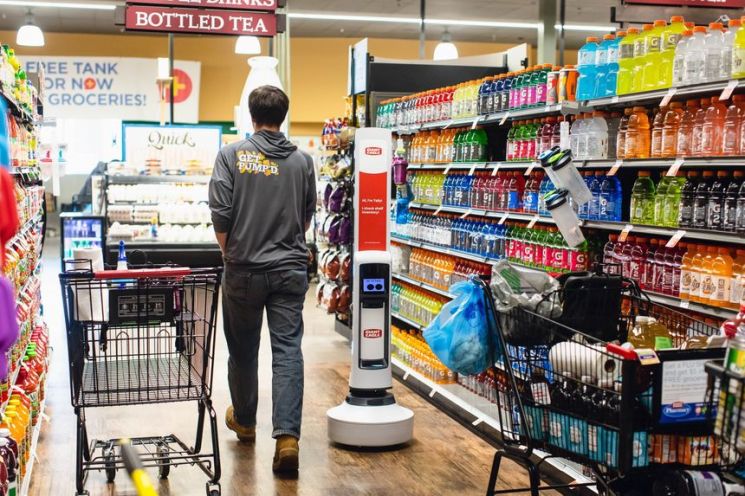
On the 28th (local time), the Wall Street Journal (WSJ) and others reported that executives of major U.S. retail companies have started evaluating the risks that the Omicron variant poses to business operations. Dave Clark, CEO of Amazon’s retail division, said in an interview with CBS that the spread of Omicron will pose challenges to the current labor shortage and that its impact on year-end consumer demand is inevitable. He stated, "Since detailed information about the new variant is not yet available, it is still uncertain whether it will affect year-end peak consumer sentiment."
Although information on Omicron’s vaccine efficacy and fatality rate remains limited, making it difficult to predict the direction, concerns among corporate executives are growing as forecasts suggest it may be more severe than the Delta variant that emerged in early May.
Brian Philco, CEO of Jetco Delivery, a logistics company headquartered in Texas, said, "It is currently impossible to judge how threatening this variant will be or how severe its impact might be," adding that they are closely monitoring U.S. health authorities’ guidelines and have formed an internal emergency response team. Giant Eagle, a large supermarket chain with over 400 stores in the U.S. Northeast, also stated, "We are closely monitoring the situation by holding daily meetings to discuss the possibility of Omicron landing in the U.S. and its potential risks."

Companies that have experienced four pandemics in the past two years were building expectations for normalization due to vaccine distribution and easing of social distancing, but the resurgence of pandemic fears has once again triggered an emergency. Companies especially view the emergence of the Omicron variant as introducing significant uncertainty to the market amid unresolved global supply chain disruptions and raw material shortages. Marketing company HubSpot said, "We are assessing whether this situation will lead to restrictions on external activities such as business trips and face-to-face events."
Airlines are growing concerns that the Omicron variant situation, with countries closing borders, might return them to the severe chaos experienced during the early stages of the COVID-19 pandemic last year. With confirmed Omicron cases reported in 13 countries centered in Europe?including South Africa, Botswana, the UK, Germany, Hong Kong, and Australia?the variant stands at a critical point of spread. Although no Omicron infections have yet been reported in the U.S., the atmosphere assumes its spread is inevitable. Many Asian countries, including Singapore and Japan, are reviewing entry restrictions, raising fears that the air travel crisis triggered at the start of COVID-19 may recur.
American Express Global Business Travel, a company specializing in corporate travel, said, "The impact will become clearer within days," noting that "demand for business trips to the UK is already being affected." British Airways in the UK has suspended all flights to Hong Kong until the 30th after one employee tested positive. EasyJet, a UK low-cost carrier (LCC), stated, "Currently, flight schedules are normal, but we are closely monitoring the situation," leaving room for response. Bernstein in the UK predicted, "As countries worldwide impose travel restrictions, the impact on Christmas and year-end travel demand will be inevitable."
© The Asia Business Daily(www.asiae.co.kr). All rights reserved.


















