13 out of 22 Local Governments 'Accept'
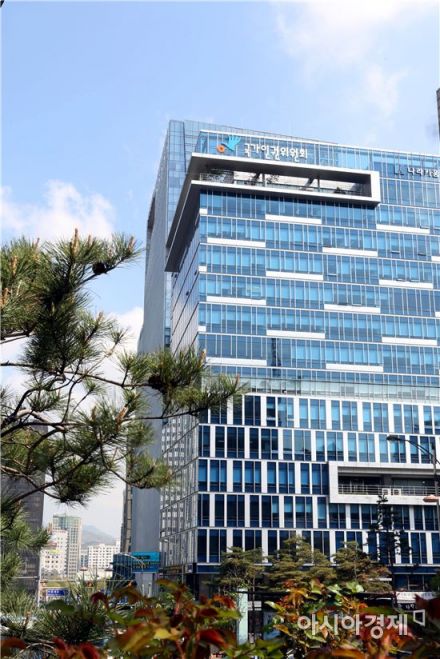
[Asia Economy Reporter Lee Gwan-ju] The National Human Rights Commission recommended measures to protect the human rights of ice skating athletes in February this year, but the Ministry of Education rejected the recommendation. Among the 22 local governments with ice skating rinks, only 13 accepted the recommendation.
The Human Rights Commission conducted a special investigation into ice skating following a sexual violence case involving a national team coach in 2019 and recommended that the President of the Korea Skating Union, the Minister of Education, and the heads of 22 local governments prepare countermeasures.
The Commission recommended to the President of the Korea Skating Union at the time to ▲ establish a "Comprehensive Plan to Improve the Human Rights Situation in Ice Skating," ▲ strengthen the qualification criteria for coaches in the "Athlete Registration Regulations," ▲ reinforce the disqualification criteria for committee members in the "Articles of Association of the Korea Skating Union," and ▲ prepare "Training Guidelines to Protect the Health and Rest Rights of Student Athletes in Ice Skating."
Additionally, the Ministry of Education was advised to amend the "Act on the Establishment, Operation, and Private Tutoring of Academies" (Academy Act) to manage and supervise athletes outside of school, and the 22 local governments were recommended to ▲ establish regulations restricting the use of ice skating rinks by individuals with a history of sexual offenses and ▲ devise measures to strengthen fairness in the opening of public sports facilities.
In response, the Korea Skating Union announced that it would fully accept the Human Rights Commission’s recommendations by forming a special team including human rights, legal, and sport experts to establish a comprehensive plan to improve the human rights situation in ice skating, and by promoting amendments to the athlete registration regulations and articles of association.
However, the Ministry of Education expressed its position that it is more appropriate to manage and supervise athletes outside of school through the "Act on the Installation and Use of Sports Facilities" (Sports Facilities Act) rather than the Academy Act, and notified the Human Rights Commission of its rejection. In response, the Commission judged that the Ministry’s claim was not reasonable, considering that ▲ the Sports Facilities Act does not include provisions for managing and supervising sports coaching for students outside of school, ▲ unlike when the Sports Facilities Act was enacted in 1989, private education in sports has surged, greatly expanding blind spots in the management and supervision of sports coaching for athletes outside of school, and ▲ private tutoring in knowledge, skills, and arts other than sports is already managed and supervised under the Academy Act.
Furthermore, 13 local governments expressed their acceptance of the Human Rights Commission’s recommendations regarding the establishment of restrictions on the use of ice skating rinks by individuals with a history of sexual offenses and measures to strengthen fairness in the opening of sports facilities, by revising ordinances and building integrated reservation systems for sports facility rentals. Except for two institutions (Buk-gu Office in Busan and Namyangju City) that replied there was no need to implement the recommendations as they had ended ice skating rink projects or had no cases of student athletes renting the facilities, Gangneung City and Seongnam City responded with partial acceptance (only accepting the recommendation on strengthening fairness).
Additionally, Seoul, Gwacheon, Gwangju, Uijeongbu, and Uiseong-gun did not notify their plans to implement the recommendations even after more than three months past the notification deadline, and according to the National Human Rights Commission Act, the Commission judged that these local governments rejected the recommendations.
© The Asia Business Daily(www.asiae.co.kr). All rights reserved.

















