Seoul City Applies Barrier Strips in Boundary Rivers and Mountainous Areas to Preemptively Block Rabies in Wildlife
Civilian Hikers Advised to Avoid Wildlife, Always Use Leashes on Pets, and Prevent Contact with Wild Animals
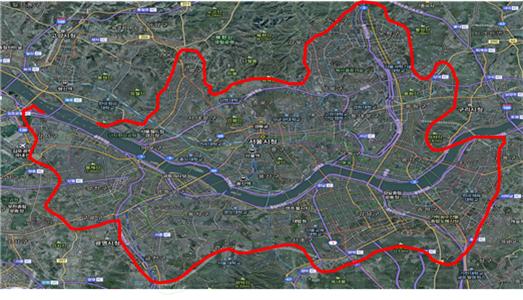
[Asia Economy Reporter Lim Cheol-young] The Seoul Metropolitan Government announced on the 18th that it will distribute 40,000 "rabies bait vaccines" in raccoon dog habitats such as Bukhansan and Yangjaecheon from the 18th until November 3rd to prevent rabies transmitted through wild raccoon dogs and other animals.
The "rabies bait vaccine" is a preventive medicine that forms rabies antibodies when ingested by wild animals. It is a brown solid about 3cm wide and 3cm long, and the vaccine is placed inside fish cake or chicken paste to make it easy for animals to eat before distribution.
The areas where the rabies bait vaccine will be distributed include major raccoon dog habitats such as Bukhansan, Dobongsan, Suraksan, Bulamsan, Gwanaksan, Yongmasan, Gwanaksan, Umyeonsan, Daemosan, and areas where raccoon dogs frequently appear such as Yangjaecheon, Tancheon, and Anyangcheon.
After distributing the bait vaccine, Seoul City plans to post warning signs and notices at the distribution sites to prevent citizens from touching them. Seoul City stated, "If you find wild animal rabies bait vaccine under trees or in bushes during hiking, please do not take or remove the bait," and added, "Bait vaccines that remain uneaten 30 days after distribution will be collected."
Rabies is mostly transmitted when the virus-containing saliva penetrates through bite or scratch wounds from infected animals. If a person is bitten, the wound should be washed with soapy water and medical attention should be sought immediately. For pets, leashes should be used to prevent contact with wild animals. If contact with a suspected rabid animal occurs, it should be reported to quarantine authorities and treated at a veterinary hospital. Symptoms of rabid animals include easy excitability or hypersensitivity with aggressive behavior, foaming or drooling, and in severe cases, unconsciousness followed by death.
Park Yumi, Director of the Seoul Metropolitan Government’s Citizen Health Bureau, said, "By distributing the rabies bait vaccine, we will strive to prevent zoonotic diseases from the wild animal stage to ensure the safety of both citizens and pets," and added, "We ask citizens to avoid contact with wild animals during hiking and to keep their dogs on leashes for safety."
© The Asia Business Daily(www.asiae.co.kr). All rights reserved.
![User Who Sold Erroneously Deposited Bitcoins to Repay Debt and Fund Entertainment... What Did the Supreme Court Decide in 2021? [Legal Issue Check]](https://cwcontent.asiae.co.kr/asiaresize/183/2026020910431234020_1770601391.png)















