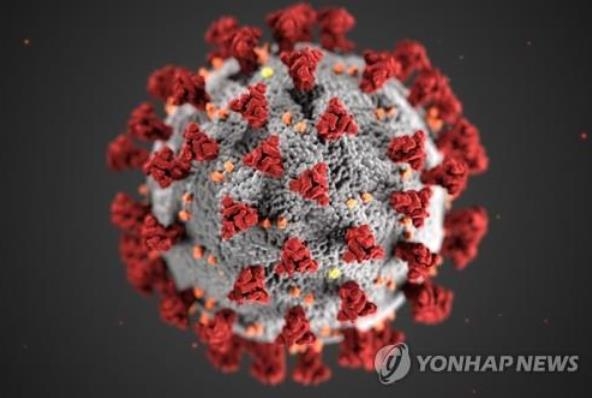
[Asia Economy Reporter Yuri Kim] On the 14th (local time), The New York Times (NYT) reported that a coronavirus similar to the COVID-19 virus was found in bats inhabiting northern Laos.
A research team led by Dr. Marc Eloit, a virologist at the Pasteur Institute in Paris, discovered this virus by collecting samples from the saliva, urine, and feces of bats caught in the forests of northern Laos last summer, six months after the outbreak of COVID-19.
The NYT reported that the three types of viruses found in Laos have molecular hooks similar in shape to the COVID-19 virus, enabling them to bind to human cells. The COVID-19 virus infects humans by attaching to a receptor called ACE2 on the surface of human cells, and these viruses are said to have similar characteristics. In an interview, Dr. Eloit said, "This is far superior to the early variants of COVID-19." It is explained that the virus found in Laos bats penetrates human cells surprisingly well.
The research results were posted online last month. They have not yet been published in a scientific journal.
Virus experts suspect that viruses similar to COVID-19, like those found in Laos, may already be affecting people by causing mild and limited outbreaks. However, experts also believe that these viruses could cause a pandemic like COVID-19 under certain circumstances.
Experts expect this study to also influence the debate about the origin of COVID-19.
Meanwhile, among the viruses discovered so far, the one most similar to COVID-19 is 'RaTG13,' found in bats in Yunnan Province, southwestern China, last year. This virus matches 96% with the COVID-19 virus.
© The Asia Business Daily(www.asiae.co.kr). All rights reserved.

















