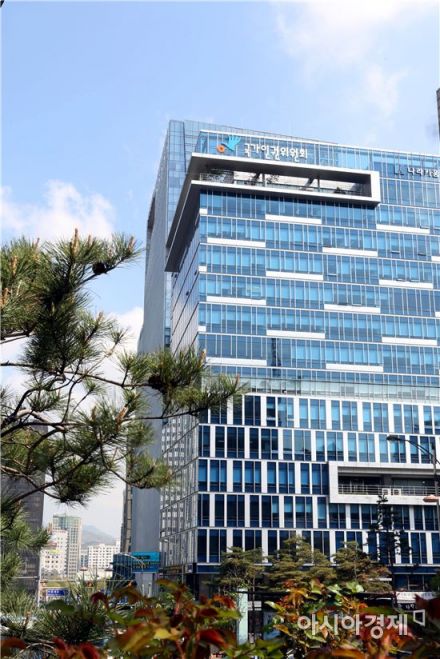
[Asia Economy Reporter Lee Gwan-ju] On the 29th, the National Human Rights Commission expressed the opinion to the Minister of Justice that there is a need to establish regulatory provisions to prevent disciplinary decisions focused on solitary confinement and excessive continuous execution of solitary confinement punishments for inmates in correctional facilities.
According to the Human Rights Commission, a petitioner incarcerated in A Prison had been suffering from panic disorder and taking psychiatric medication before entering the prison, but A Prison did not consider this and continuously executed solitary confinement punishment for 102 days, which the petitioner claimed was unjust and filed a complaint with the Human Rights Commission.
Solitary confinement is the heaviest punishment among the 14 types of disciplinary actions in correctional facilities, involving solitary cell confinement along with suspension from participating in communal events, restrictions on reading newspapers and watching TV, limitations on using self-purchased items, work stoppage, and various other treatment restrictions.
The Human Rights Commission found that A Prison took measures according to the regulations under the Execution of Sentences Act while confirming the petitioner’s health condition, and therefore it was difficult to hold the prison directly responsible, dismissing the complaint.
However, the Human Rights Commission judged that correctional facilities have been habitually imposing and executing disciplinary punishments focused on solitary confinement without considering the variety of disciplinary types. It also stated that the decision to impose solitary confinement, the heaviest punishment for inmates, must be reviewed very carefully in the decision-making process, and especially, the situation where solitary confinement is executed continuously and repeatedly without limitation needs to be regulated institutionally.
© The Asia Business Daily(www.asiae.co.kr). All rights reserved.

















