Power Emergency Measures Declared in Two-Thirds of China
SCMP: "Chaos in Chinese Manufacturing... Worst Power Shortage in 10 Years"
Impact of Australian Coal Import Restrictions and Declining Coal Reserves
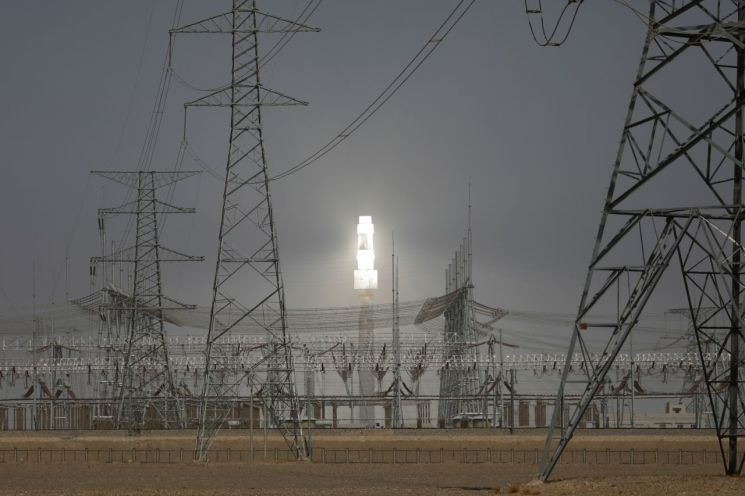
[Asia Economy Reporter Kim Suhwan] As coal inventories in China have sharply decreased and power supply has been reduced, it has been revealed that the power shortage is becoming severe.
On the 29th, the South China Morning Post (SCMP) reported that the power shortage in China is worsening as coal inventories, one of the main sources of power supply, are decreasing.
According to the report, as of the 21st, coal reserves in China amounted to 11.31 million tons. SCMP stated that this is the lowest ever, enough for 15 days of use. Authorities' guidelines require a minimum of 20 days' worth of coal reserves during the off-season.
Sinolink Securities predicted that from this month until February next year, China will need at least 1.85 billion tons of coal, and based on current coal inventory forecasts, the stockpile will be about 12-19% less than the amount needed for smooth power supply.
SCMP reported that the gap between coal inventories and power demand in China began to widen since April.
Also, due to the coal supply shortage, coal prices surged from 670 yuan per ton in January to 1,100 yuan this month, SCMP reported.
Sinolink Securities stated that as coal prices soared and power companies' operating profit margins shrank, these companies are reducing power supply.
As coal inventories in China rapidly decrease and fall below the minimum reserve standards, concerns are rising that the power shortage in China will worsen.
On the previous day, Chinese state media reported that emergency power measures have been issued in about 20 of the 31 administrative regions in China.
SCMP evaluated that "China is experiencing the worst power shortage in 10 years."
The media added, "As emergency measures spread, China's manufacturing industry is falling into chaos."
According to the media, in Shenyang, the capital of Liaoning Province, emergency measures included the large-scale shutdown of traffic signals last week.
Especially with the La Ni?a phenomenon (an abnormal wind flow caused by climate change that lowers sea water temperatures below average) expected to make this winter colder, there is a high possibility that power demand in China will increase significantly.
Earlier, the U.S. National Oceanic and Atmospheric Administration predicted a 70% chance of La Ni?a occurring this winter.
China's coal supply shortage has worsened since October last year when China experienced diplomatic conflicts with Australia and restricted imports of Australian coal.
China had been importing about 50 million tons of coal annually from Australia.
As diplomatic relations between China and Australia deteriorated over investigations into the origin of COVID-19 in Wuhan last year, China effectively halted imports of Australian coal as part of trade retaliation measures.
In response, China sought alternative import countries such as Mongolia and Indonesia, but these coals are known to be of lower quality compared to Australian coal, resulting in reduced power generation efficiency.
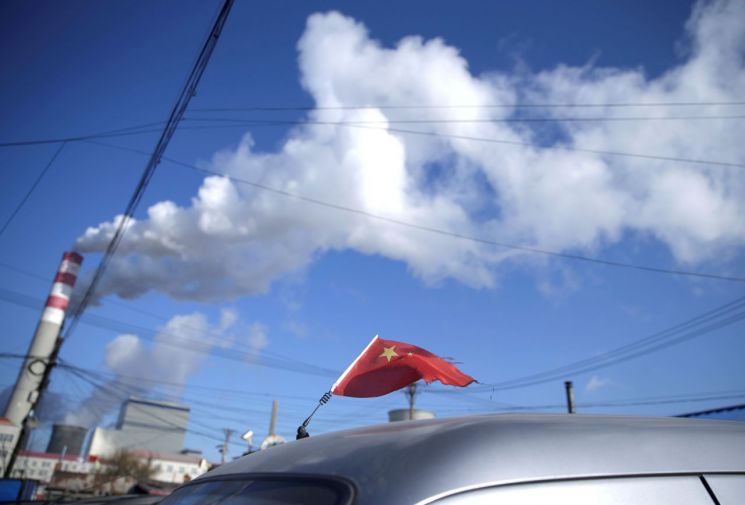
SCMP cited experts saying, "Australian coal has an energy calorific value of 5,500 calories per kilogram, but Indonesian coal has only 3,800 calories per kilogram."
Meanwhile, on the 27th, Jilin Province authorities announced plans to increase coal imports from Russia, Indonesia, and Mongolia to prepare for the winter cold.
Also, excessive coal mining in domestic coal mines over the past several years has reduced the reserves of high-quality coal, which is analyzed to have affected China's coal supply shortage.
Professor Yanhe Hou of the University of Hong Kong said, "Most of the high-quality coal has been mined over the past few years. Currently, most of the remaining coal is located in deeper areas where mining is more difficult. Typically, this coal has somewhat lower energy calorific value."
SCMP added that corruption investigations into coal mines in the Inner Mongolia region have also impacted production volumes at these mines, contributing to the coal shortage phenomenon.
© The Asia Business Daily(www.asiae.co.kr). All rights reserved.



















