Among 97 Confirmed Cases in September, 35 Foreigners Account for 36.1%, Up 16.4%p from Previous Month
Proactive Testing and Vaccination Encouraged for Foreigners Regardless of Registration Status
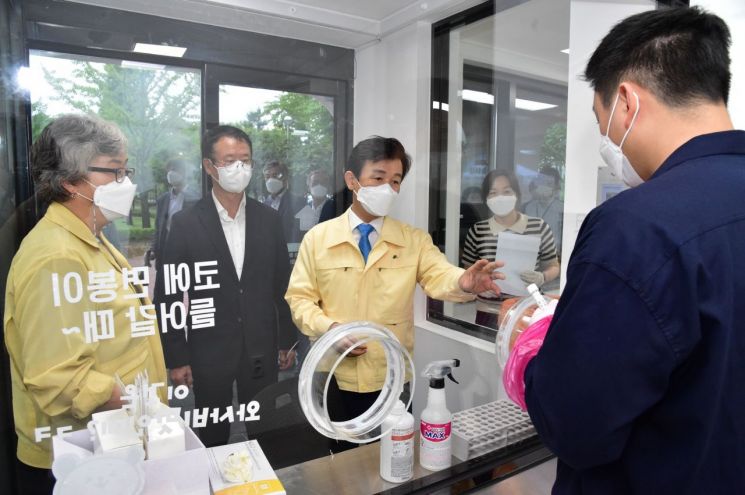
[Asia Economy Yeongnam Reporting Headquarters Reporter Choi Soon-kyung] Jinju City, Gyeongnam Province, is facing an emergency to prevent the spread of infectious diseases among foreigners as the proportion of foreign COVID-19 confirmed cases is rapidly increasing.
According to Jinju City on the 27th, among the 129 confirmed cases in the city in July, 11 were foreigners, accounting for only 8.5%. In August, among 173 confirmed cases, 34 were foreigners (19.7%), more than doubling the proportion of foreign confirmed cases compared to the previous month.
In September, up to the 26th, among 97 confirmed cases, 35 were foreigners, increasing the proportion of foreign confirmed cases to 36.1%. In just two months, the proportion of foreign confirmed cases among all confirmed cases in Jinju has surged more than fourfold.
Following the Chuseok holiday, amid the nationwide surge in COVID-19 cases including in Gyeongnam, the proportion of foreign confirmed cases is also rising, causing concern among quarantine authorities. As foreign confirmed cases continue to increase, the city is implementing customized quarantine measures to prevent the spread of infections among foreigners.
On the 26th and 27th, a meeting was held to discuss measures to prevent the spread of infections among foreigners, deciding to manage blind spots in quarantine and encourage voluntary participation in quarantine by foreigners.
First, a thorough inspection of compliance with quarantine rules, such as managing visitor logs, will be conducted at businesses related to foreigners including restaurants, retail stores, and religious facilities. Along with the inspection, notices produced in six languages will be used to encourage participation in diagnostic testing and vaccinations.
In cooperation with related organizations and volunteer groups in areas with a high foreign resident population, it will be promoted that even if foreigners undergo diagnostic testing or vaccination, their personal information will not be reported to immigration authorities, and there will be no disadvantages such as deportation. When newly hiring foreigners at farms, construction sites, and other workplaces, COVID-19 testing and completion of vaccination are strongly recommended.
For undocumented foreigners who tend to avoid testing due to fear of forced deportation, as a secondary quarantine measure, they are guided to use self-test kits distributed to workplaces, religious facilities, and multicultural centers.
As a quarantine measure against cluster infections among foreigners, temporary screening clinics by target and region have been operated three times since September to facilitate diagnostic testing for foreign workers. A total of 2,800 self-test kits are being distributed to 108 foreign-related facilities and organizations.
A city quarantine official said, "Regardless of registration status, all foreigners can receive diagnostic testing and vaccinations on equal terms with nationals without any disadvantages," and added, "Foreigners are valuable members of the local community, so we ask for their active participation in city quarantine management to block the spread of infection."
© The Asia Business Daily(www.asiae.co.kr). All rights reserved.

















